
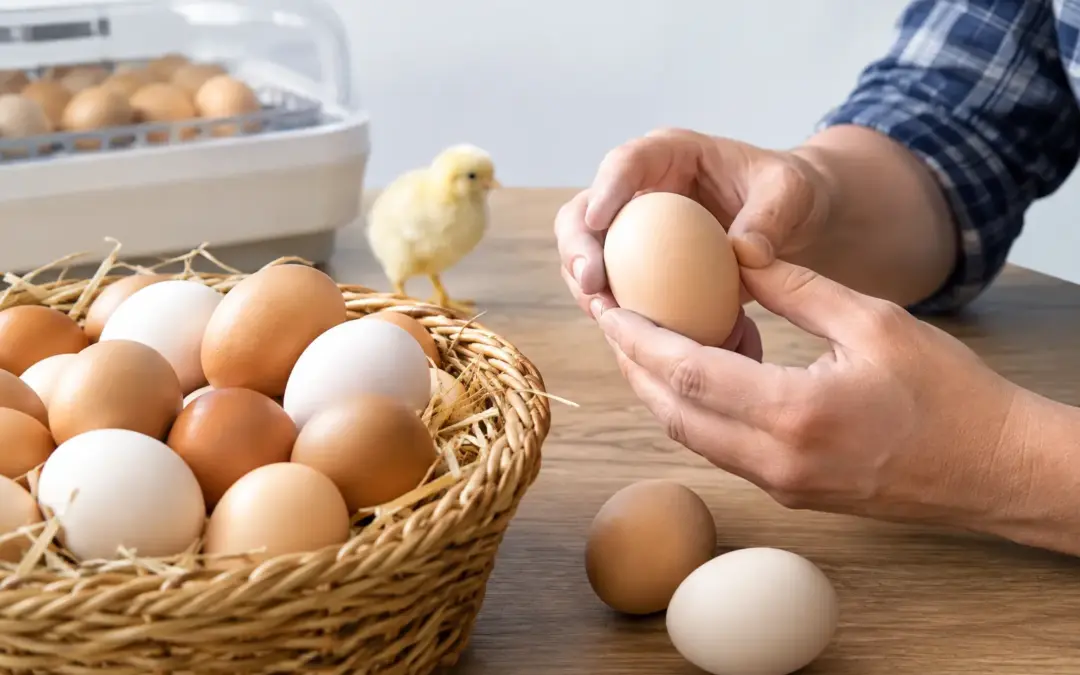
A disappointing hatch often starts before the incubator is switched on. The temperature may be steady and the turning routine spot on, but neither can rescue eggs from poor breeding stock, rough handling or long, unsuitable storage. If you want healthy chicks and a worthwhile hatch, choosing the right eggs is the first job.
Knowing how to choose hatching eggs means looking beyond a pretty shell or a low price. You are buying the result of a breeder’s flock management, breeding decisions and care in packing. Good sellers welcome sensible questions because they know serious keepers are investing time, space and effort in every hatch.
Start with the breeder, not the listing
The strongest sign of good hatching eggs is a breeder who knows their birds. Look for clear information on the breed, age of the breeding group, how the birds are housed and whether the line is bred with a purpose. That might be preserving a heritage type, improving utility qualities or producing birds that meet a recognised breed standard.
A seller should be able to tell you which cockerel is running with which hens, or explain their pen set-up where several colours or varieties are kept. This matters if breed purity, colour genetics or specific traits are important to your plans. If you simply want a mixed backyard hatch, the standard may be different, but honesty still matters.
Ask how recently the eggs were laid and how they have been stored. A breeder who collects eggs regularly, stores them carefully and sends them promptly gives you a better starting point than someone listing eggs that have been sat around for an unknown period.
It is also worth asking about recent hatch results from eggs incubated on the holding. No responsible breeder can promise a hatch rate, particularly once eggs travel by post, but they should be open about how their own eggs are performing. Vague claims of guaranteed fertility without any detail are less useful than a straightforward account of the flock and previous hatches.
Choose eggs from a well-managed breeding flock
Fertility starts with the birds, not the egg box. Healthy, active hens and a sound, mature male are the foundation. Birds should have appropriate feed, clean water, dry shelter and enough room to behave normally. A stressed, moulting or unwell flock is not likely to be at its best for breeding.
Season matters too. Many breeds are more productive and fertile in spring, when daylight lengthens and breeding activity increases. That does not mean good eggs are impossible at other times of year. Well-managed flocks can produce fertile eggs across a broader season, but availability, fertility and hatchability can all fluctuate with weather, moult, age and breeding condition.
The age of the breeding birds is another useful question. Very young pullets may lay small eggs, while older hens can lay larger eggs with more variable shell quality. Mature birds in good condition often offer the most consistent results. Equally, an older but proven breeding pen may be a better choice than a young, untested one. It depends on the breeder’s records and the quality of the individual birds.
For rare breeds, do not treat scarcity as a substitute for quality. A hard-to-find variety is exciting, but eggs should still come from birds with the correct type, vigour and temperament for the breed. Serious breeding protects what makes a breed worth keeping in the first place.
What good hatching eggs look like
When you are selecting in person, or checking eggs on arrival, examine them calmly before setting. Good hatching eggs are generally clean, evenly shaped and appropriate in size for the breed. They should have intact shells with no cracks, thin patches, heavy ridges or obvious deformities.
Avoid unusually round, very long, pointed or misshapen eggs. Their shape can reflect problems in shell formation and may make development less reliable. Very oversized and very undersized eggs are also best left out of the incubator. A medium, typical egg is usually the safer choice.
Do not wash hatching eggs. The shell has a natural protective coating, often called the bloom, which helps limit bacterial entry. Light surface dirt is one thing, but heavily soiled eggs should not be sent or set. A clean nest and frequent collection are signs of a breeder who understands this.
Shell colour is not an indicator of fertility. Blue, green, white, cream and brown eggs can all hatch perfectly well when they come from healthy breeding stock. What counts is shell integrity, freshness and the conditions behind the egg.
Freshness has a real effect
Eggs are at their best when set fresh. Ideally, hatching eggs should be set within around seven days of laying. They can still hatch after that, but hatchability generally drops as storage time increases. The longer the gap, the more you are relying on careful storage and a little luck.
Before dispatch or collection, eggs should be kept in a cool, stable environment rather than a fridge or a warm kitchen. They are commonly stored with the pointed end down and turned regularly if held for more than a few days. The exact method may vary between experienced breeders, but the principle is simple: avoid temperature swings, excessive heat and neglect.
For posted eggs, distance is a genuine trade-off. A superb breeder further away may be worth considering for a rare line, but postal travel introduces risk from delay, temperature changes and handling. If you can collect from a trusted breeder, collection removes one major variable. If posting is the only realistic route, prioritise sellers who package carefully and dispatch eggs promptly.
Ask the questions that protect your hatch
You do not need an interrogation. A short, informed conversation will tell you a great deal about a seller and their standards. Ask when the eggs will be collected, when they are likely to be posted, and how many days old they will be when they reach you. Confirm the exact breed or cross, the breeding pen arrangement and whether the eggs are from the current laying season.
If you are buying a named breed, ask what the breeder is selecting for. Are they working towards correct type and colour? Are they focused on laying ability, table qualities or a particular heritage line? There is no single right answer, but it should fit your own aim. Eggs for a productive family flock, a show project and a conservation-minded breeding programme are not necessarily the same purchase.
It is sensible to ask whether the flock has had any recent health issues, without expecting a breeder to make impossible guarantees. Good biosecurity, clean housing and transparent communication matter. If answers are evasive, details do not add up, or photographs appear to show overcrowded, poorly kept birds, walk away. Better eggs will come along.
Give posted eggs the best chance
Once posted eggs arrive, resist the temptation to put them straight into a running incubator. Check the parcel for obvious damage, then unpack each egg carefully. Remove any loose packing material and inspect shells under good light without scrubbing or washing them.
Let the eggs rest upright, pointed end down, in a cool room for at least 12 to 24 hours before setting. This settling period gives the contents time to stabilise after transport. If the eggs have arrived very cold or after a rough journey, a little longer can be sensible. Keep them away from radiators, direct sun and draughts.
Make a note of the arrival date and set date. When you candle later, these records help you assess development properly rather than relying on guesswork. Candling can identify clears and early losses, but it cannot turn poor-quality eggs into good ones. Selection and handling remain the bigger levers.
Match your choice to your real aim
The best hatching eggs are not automatically the most expensive, rarest or closest to home. They are the eggs that suit your goal and come with the clearest evidence of careful breeding. A beginner may be better served by a dependable, established breed from a responsive seller than a delicate rare variety with limited availability. An experienced breeder may reasonably accept more risk to access a specific line.
Use a specialist marketplace such as Hatch & Hive to connect directly with breeders, then do the practical checking yourself. Read the listing properly, look for useful flock information and have the conversation before you buy. No noise, just quality stock and breeders who take the work seriously.
A good hatch begins with judgement: choose eggs from birds you would be happy to keep, from a breeder you would be happy to deal with again, and give them careful handling from the moment they arrive.