
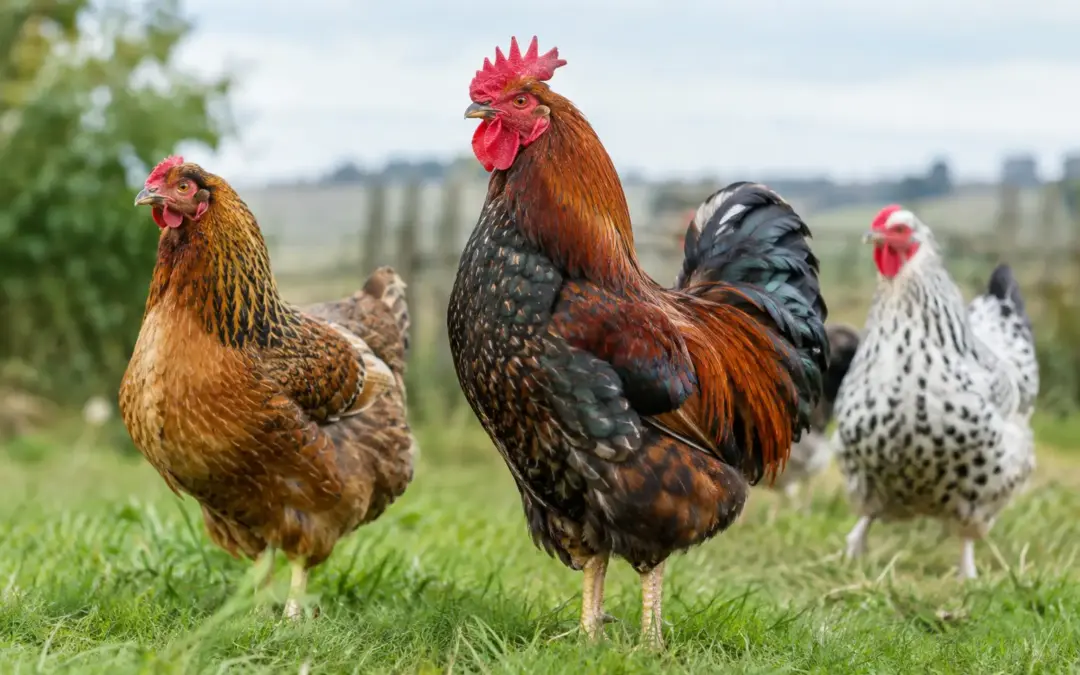
A proper flock of heritage chicken breeds UK keepers can be proud of is about more than a handsome bird in the garden. It is about keeping a recognisable breed true to its type: the shape, plumage, temperament, utility and hardiness that generations of breeders selected for. That makes the choice of stock matter. A cheap pair with the right name is not necessarily the same thing as a sound breeding start.
For smallholders, backyard keepers and established breeders alike, heritage birds offer character, purpose and a direct connection to British poultry keeping. They can also ask more of the keeper than high-output commercial hybrids. Expect variation between lines, respect their seasonal rhythm and buy with a clear plan for what you want your birds to do.
What makes a chicken breed heritage?
In everyday poultry keeping, “heritage” usually refers to established traditional breeds that have been maintained over many years for their recognised characteristics rather than bred solely for maximum short-term egg production. In the UK, that commonly includes native and long-established breeds such as the Light Sussex, Rhode Island Red, Scots Grey, Dorking, Old English Game and Barnevelder, along with their recognised colour varieties and bantam forms.
The term is useful, but it is not a shortcut around good judgement. A bird can be from a traditional breed yet be poorly bred, crossbred or far from the accepted standard. Equally, a rare breed is not automatically a practical choice for every holding. Breed names tell you where to start; the breeder’s knowledge, the condition of the birds and the consistency of the line tell you far more.
For anyone breeding rather than simply keeping hens for eggs, breed type is central. Look at body shape, carriage, leg colour, comb, feather quality and colour pattern, not just whether the bird resembles a photograph. These details are where careful breeding work shows.
Heritage chicken breeds UK keepers choose for purpose
There is no single best heritage breed. The right flock depends on space, housing, predators, neighbours, whether you want to hatch chicks, and your tolerance for broody hens. Choose for the job first, then find the best example of the breed you can.
Dependable birds for eggs and family flocks
Light Sussex remain popular for good reason. They are substantial, generally calm, capable free-rangers and useful layers of tinted eggs. They suit a keeper who wants a traditional dual-purpose bird without taking on something overly flighty or delicate. Their size does mean they need sensible perch heights and adequate coop space.
Rhode Island Reds can be excellent, productive hens with real presence, although temperament varies markedly by line. A well-bred traditional Rhode Island Red should not be confused with the red commercial birds often sold under loose descriptions. Ask the seller what line they work with and how their birds perform as breeding stock, not only how many eggs they claim to produce.
For a smaller garden, bantams can make a great deal of sense. Pekin bantams are compact, friendly and famously broody, while Wyandotte bantams appeal to keepers who want rounded type and striking lacing in a smaller package. Bantams use less feed, but they are not maintenance-free. Small birds are more vulnerable to rats, aerial predators and wet, muddy ground, particularly heavily feathered varieties.
Hardy free-rangers with a bit more edge
Scots Greys are a serious option for active flocks with room to roam. They are alert, capable foragers and carry a distinctive barred appearance. They may not suit a tiny enclosed run or a keeper seeking lap-pet hens, but on a smallholding they can be exactly the sort of bird that earns its keep.
Old English Game, in large fowl or bantam form, brings history and athleticism. Their upright stance and sharp outline are part of their appeal, but they are not a choice to make on looks alone. They need secure boundaries and thoughtful flock management. Cockerels, particularly where more than one male is kept, require space and close observation.
Dorkings deserve attention from anyone interested in old British utility breeds. Their five toes, long body and calm nature set them apart, and they have a strong historic reputation as table birds. They are often less hurried than lighter breeds, which can be a benefit in a settled flock but means they are not the obvious answer for someone chasing maximum egg numbers.
Birds for breeders who enjoy the detail
Some heritage breeds reward a keeper who enjoys studying standards, selecting pairings and improving a line over several seasons. Laced Wyandottes, spangled Hamburgs, pencilled varieties and well-marked Barnevelders all demand an eye for detail. One attractive bird does not make a breeding-quality pen. Consistency across the flock is the real measure.
This is where buying hatching eggs, chicks or adults involves different trade-offs. Hatching eggs can be an affordable way into a breed and allow you to rear birds from day one, but hatch rate, fertility and sex ratio are never guaranteed. Day-old chicks reduce the uncertainty of incubation but still need months of feed, warmth and care before their quality is clear. Started pullets and mature breeding groups cost more, yet let you assess conformation, temperament and condition before committing.
How to source stock without compromising the breed
Serious keepers ask questions. A breeder who knows their birds should be comfortable discussing age, parentage, fertility, vaccination where relevant, worming approach, housing conditions and any faults they are actively working away from. You are not being difficult by asking. You are protecting your flock and respecting the breed.
Photographs are helpful, but they should not be the whole decision. Ask for recent images of the actual birds or parent stock, ideally standing naturally and in good feather. A close-up can hide poor legs, narrow bodies, damaged combs or weak colour. If collecting live birds, inspect bright eyes, clean nostrils, sound feet, a clean vent and alert behaviour. Avoid birds that appear hunched, thin, lethargic or short of breath.
Quarantine every arrival, even if it comes from a respected breeder. A separate pen with separate footwear, drinkers and equipment is sensible practice. Watch for signs of respiratory illness, parasites, loose droppings or stress before allowing new stock anywhere near your established birds. The length of quarantine will depend on your setup and risk tolerance, but rushing introductions is rarely worth it.
Be equally clear about what you are buying. “Pure breed” should mean more than a colour description. If you are buying stock to breed, ask whether the birds are unrelated, how long the line has been closed, and whether the seller selects to a recognised standard. If you simply want good-natured hens, say so. The right seller will steer you towards suitable stock rather than selling you their most complicated project.
Keeping heritage birds in good order
Traditional breeds thrive when their basics are right: dry housing, clean water, balanced feed, room to move and regular checks. The romantic image of birds scratching around a yard is only half the picture. Mud, overcrowding and damp bedding soon spoil feather quality and invite health problems.
Free-ranging helps many active breeds express natural behaviour, but it does not replace a secure run and coop. Foxes work to their own timetable. Secure birds before dusk, use strong mesh where needed and make sure pop holes, roof edges and floor levels do not offer an easy entry point. For feather-footed breeds, a dry covered area is particularly valuable through a wet British winter.
If you intend to hatch, keep records from the start. Mark breeding pens, note hatch dates, record fertility and write down which birds repeatedly produce the traits you want. You do not need an elaborate system. A notebook that tracks pairings, leg rings, faults and laying performance will put you ahead of the keeper relying on memory at the end of the season.
Cockerel numbers need planning too. A beautiful young male is not automatically a bird you can retain, especially in a suburban setting. Know your local restrictions, be realistic about noise, and have a responsible plan for surplus males before setting eggs. Good breeding includes making decisions that are fair to every bird produced.
Why keeping these breeds still matters
Heritage poultry are living genetic resources, but that phrase should not make them sound like museum pieces. They are working birds with useful qualities: broodies that rear chicks well, alert foragers, calm table birds, winter layers and tough hens that cope with an exposed run. Keeping a breadth of breeds and bloodlines gives future breeders something worth selecting from.
The strongest contribution most keepers can make is simple: buy honestly described stock, breed only from healthy birds that represent their variety well, and pass on clear information to the next keeper. If you are looking for your first pair or building a more focused breeding pen, Hatch & Hive gives serious poultry people a place to connect directly with sellers who understand the difference.
Choose birds you have the space and patience to do properly. A modest, well-managed pen of sound heritage stock will always mean more than a crowded collection of names.