
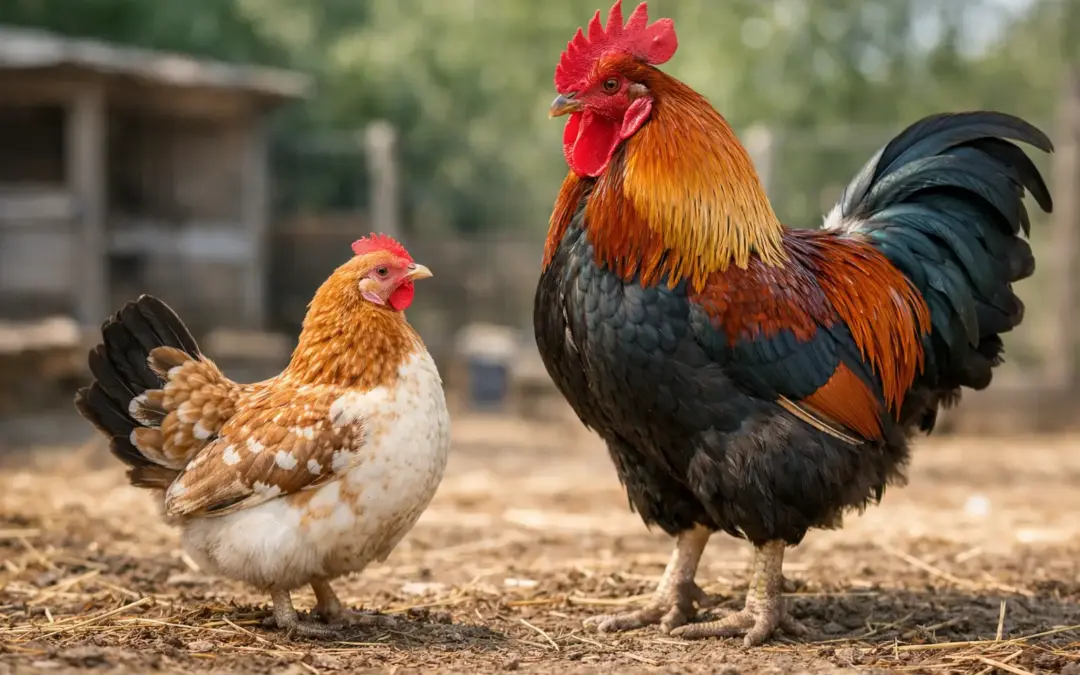
You usually know this decision matters the first time you stand in front of a pen of full-sized Orpingtons, then turn and see a neat line of Pekin bantams beside them. Both are proper poultry. Both have devoted followers. But bantams vs large fowl is not just a question of size – it affects space, feed bills, egg expectations, fencing, breeding plans and the general rhythm of your flock.
For some keepers, bantams are the obvious fit. For others, large fowl make far more sense from day one. The right choice depends less on what looks nicest in a photo and more on what you actually want your birds to do.
Bantams vs large fowl at a glance
A bantam is not simply a small chicken. In some breeds, bantams are miniature versions of a large fowl equivalent. In others, they are true bantams, with no large counterpart at all. Large fowl are the standard-sized birds most people picture when they think of traditional utility or dual-purpose poultry.
That difference sounds straightforward, but it plays out in practical ways. Large fowl generally lay bigger eggs, carry more body mass and often suit keepers who want a productive garden flock. Bantams eat less, need less room overall and can be ideal where space is tighter or where the pleasure is in keeping attractive, manageable birds with character.
Neither type is automatically better. A lot depends on whether your priorities are eggs, breed preservation, showing, ease of handling, noise levels or simply making the best use of the housing and ground you already have.
Space, housing and fencing
If your setup is modest, bantams have an obvious advantage. They take up less room in the coop, less room on the perch and less room in the run. That does not mean they can be crowded – good stock still needs proper housing, dry bedding, ventilation and enough space to behave like chickens – but small birds are often easier to accommodate well.
Large fowl need more of everything. Bigger nest boxes, sturdier perches, more floor space and, quite often, more durable housing. A lightweight coop that looks fine for a trio of bantams may feel cramped or flimsy once you put standard birds into it.
Fencing is where many new keepers get caught out. Bantams, especially lighter breeds, can be surprisingly agile. Some go up and over ordinary garden barriers without much effort. Large fowl are often less flighty, but once they lean on fencing or scratch around the base of it, weakness shows quickly. So the trade-off is simple enough: bantams may test height, while large fowl test strength.
Eggs and practical output
If eggs are high on your list, large fowl usually come out ahead. Their eggs are bigger, and many standard breeds have stronger utility credentials. For a household wanting regular breakfast eggs, that matters.
Bantams lay smaller eggs, though often more usefully than people expect. Good bantam layers can still keep a home supplied if expectations are sensible. The issue is less whether they lay and more whether their output matches your needs. A basket of bantam eggs is charming. A family that gets through plenty of eggs each week may find the novelty wears off.
There is also a breed-by-breed difference that matters more than the bantam versus large fowl label alone. A productive hybrid large fowl hen and a heavily feathered ornamental bantam are not really competing for the same role. If utility is your priority, choose for utility first and size second.
Temperament and flock dynamics
People often assume bantams are easier because they are small. Sometimes that is true. Many are lively, friendly and easy to manage, especially in a garden setting where keepers are interacting with them every day. Their smaller size can make them feel less imposing to beginners and children.
But size does not equal softness. Some bantams have plenty of attitude, and cockerels can be every bit as assertive as their large fowl counterparts. Large fowl, meanwhile, are often calmer than people expect, particularly in the heavier traditional breeds. A good standard bird can be steady, placid and straightforward to handle.
Mixed flocks need thought. Large fowl can dominate feed stations and pecking order disputes simply through weight and presence. Bantams can hold their own in some setups, but it depends on breed, temperament and space. In cramped conditions, the mismatch can become a problem quickly. If you want to keep both, plan feeding and housing so smaller birds are not bullied off resources.
Feeding, cost and day-to-day upkeep
Bantams cost less to feed. There is no getting around that. Smaller bodies need less intake, and over time that can make a noticeable difference, particularly if you keep several birds or maintain breeding groups.
Large fowl are more expensive to keep, but they often return more in egg size, carcass weight for table birds, or general utility. So the better value depends on what you expect back. If you are purely keeping ornamental birds or breeding for type, bantams may be the more efficient choice. If you want a practical laying flock, the larger feed bill may be justified.
Day-to-day upkeep also varies with feathering and breed type. A clean-legged utility large fowl bird may be easier through a wet winter than a heavily feathered bantam that is forever carrying half the run in on its feet. Small does not always mean lower maintenance. Breeding style, feather quality and ground conditions matter just as much.
Breeding and showing
For breeders, bantams vs large fowl often comes down to what you are trying to preserve or improve. Large fowl appeal to breeders focused on traditional utility traits, body shape, carcass qualities and the preservation of standard breeds in their full form. They can also be the natural choice where a breed’s history and purpose are tied to agricultural usefulness.
Bantams have a strong pull for fanciers and exhibitors. They are popular on the show scene, practical to transport and often easier to keep in dedicated breeding pens where space is limited. True bantam breeds, in particular, have their own following and standards, and serious breeders know they are far more than scaled-down novelties.
There is also the simple matter of volume. Breeding large fowl means more housing pressure, more feed consumed and fewer corners to cut if you want to rear youngsters properly. Bantams can be easier to manage in numbers, though fine type still takes the same discipline. Poor breeding decisions look just as poor in miniature.
Which suits beginners better?
There is no single answer, though beginners are often steered towards bantams because they seem less demanding. That is only partly true. If you have a small garden, modest egg expectations and want birds that are enjoyable to keep without taking over the place, bantams can be an excellent start.
If, however, you want a straightforward flock that gives you sensible eggs and behaves in a calm, predictable way, some large fowl breeds are actually easier for first-time keepers than highly strung bantams. Much depends on breed selection and buying from knowledgeable breeders rather than choosing on looks alone.
A beginner with enough room and realistic expectations may do better with well-bred large fowl than with a collection of delicate or flighty bantams bought on impulse. Good stock solves a lot of problems before they start.
How to choose between bantams and large fowl
Start with your setup, not your wish list. Measure the coop, the run and the fencing you already have. Think honestly about how many eggs you want, whether noise is a concern, and how much time you want to spend managing housing and feed.
Then think about purpose. Are you breeding for exhibition, keeping a family laying flock, maintaining a heritage line, or simply looking for attractive birds that suit a smaller garden? Those are not the same job, and the birds should match it.
Finally, buy with care. Good bantams and good large fowl both come from breeders who know their lines, can answer sensible questions and are clear about what their birds are bred for. That is where a specialist marketplace such as Hatch & Hive earns its place – not by creating noise, but by making it easier for serious keepers to find proper stock and speak directly with people who know what they are selling.
The real answer to bantams vs large fowl
If you want compact birds, lower feed use and a flock that suits tighter spaces, bantams are often the better fit. If you want larger eggs, more traditional utility and birds with a stronger physical presence, large fowl usually justify the extra room and cost.
Most experienced keepers will tell you the same thing: choose for purpose, then choose for breed, and only then choose for appearance. Get that order right and your flock will make more sense from the start. Get it wrong and even the prettiest birds become a poor fit. The best birds are the ones that suit your ground, your expectations and the way you actually keep poultry.