
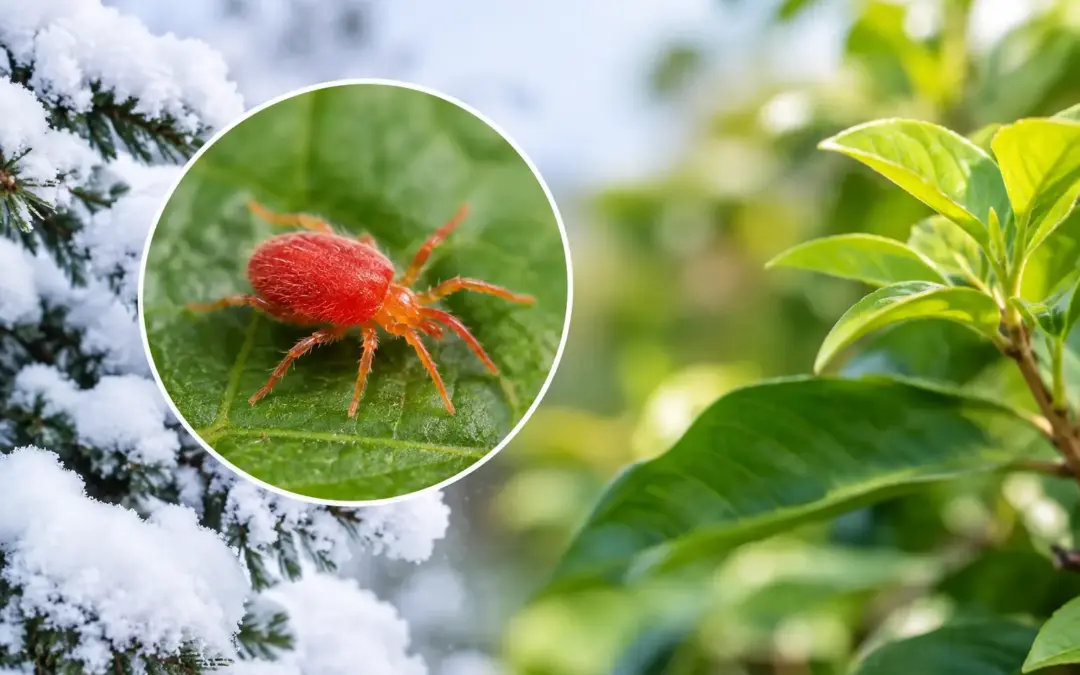
A quiet coop in January can give a false sense of security. So, are red mites a winter problem or all year round? The honest answer is both: they are most active and fastest-breeding in warm weather, but they can survive winter in cracks, joints and felt-lined roofs, ready to build up again when conditions improve. For anyone keeping valuable breeding birds, that makes red mite control a year-round husbandry job, not a once-a-summer reaction.
Red mite, or Dermanyssus gallinae, feeds on birds at night and retreats into the housing during the day. By the time a hen looks pale, restless or off her lay, there may already be a substantial population hidden in places a routine glance will miss.
Are red mites a winter problem or all year round?
Red mites need warmth, darkness and access to birds to thrive. In the height of summer, their life cycle can be remarkably quick, which is why an apparently clean coop can become heavily infested in a short spell of hot weather. A mild, humid poultry house with plenty of crevices is ideal territory.
Winter slows them down. Shorter days, colder temperatures and lower bird activity can reduce feeding and breeding, particularly in an airy timber house exposed to proper frosts. But slower does not mean gone. Adult mites and eggs may persist in sheltered areas, while insulated coops, enclosed sheds and houses warmed by a close flock can remain comfortable enough for them to carry on at a low level.
This is why experienced keepers do not treat winter as an automatic reset. If there are birds in the house, there is a potential food source. If there are hiding places, there is a potential red mite reserve. The scale of the risk depends on the housing, local weather, stocking density and how thoroughly the previous infestation was dealt with.
Why winter checks still matter
A winter inspection is often easier than a summer one. There are fewer flying insects around to confuse the picture, birds may be spending longer in their house, and you have time to put the housing right before the breeding season begins.
Check the ends and undersides of perches, perch brackets, nest-box seams, roof joins, ventilation gaps, pop-hole runners and the folds of roofing material. A white tissue or piece of kitchen roll run along a perch end or crack can reveal reddish smears if mites have recently fed. Looking into the house after dark with a torch is another useful method, as this is when mites leave their daytime hiding places.
Do not assume an absence of obvious crawling mites means the house is clear. Red mite is exceptionally good at staying out of sight. A stale, musty smell, grey dust around perch fittings, specks in crevices, or birds reluctant to settle at night can all justify a closer look.
A small number found in winter is worth acting on. It is far simpler to clean and treat a limited problem in February than to tackle a population explosion during peak laying, hatching or show preparation.
The signs in your flock
Red mite is not always dramatic at first. Birds can compensate for a surprising amount of discomfort, especially a settled flock with good feed and shelter. The clues tend to be gradual: hens may be unsettled after roosting, reluctant to enter the house, noisy at night, or spending less time in nest boxes.
With a heavier burden, look for pale combs and wattles, lowered condition, poor feather quality, reduced laying and anaemia. Young birds, broodies and birds already under pressure from illness, moulting or poor weather can be affected more severely. A broody hen sitting tight in a nest box is particularly exposed because mites can feed repeatedly while she remains in one place.
Do not write every pale comb or drop in lay off as red mite. Winter daylight, moult, parasites, respiratory disease, nutrition and age can all play a part. But a proper housing inspection should be near the top of the list when several birds show signs at once.
Prevention starts with the coop, not the product
The best red mite plan makes the poultry house difficult to live in. That means reducing the cracks and layered surfaces where mites shelter, rather than relying solely on a treatment after the problem has taken hold.
Smooth, well-finished surfaces are easier to inspect and clean than rough, weathered timber. Removable perches and nest-box inserts make a major difference because they allow you to reach the places mites favour. If you are building or upgrading housing, think about access before appearance: can you lift the roof lining, remove the perches and see behind fittings without dismantling half the coop?
Regular cleaning matters, but it needs to be purposeful. Remove litter and nesting material, scrub surfaces and fittings, and pay particular attention to joints and perch ends. Allow the house to dry properly before fresh bedding goes in. Damp, dirty bedding alone does not cause red mite, but a neglected house offers more sheltered habitat and makes monitoring harder.
Felt roofing deserves special attention. It is a familiar feature on many small coops, but its layers and edges provide excellent cover for mites. That does not mean every felt roof must be replaced immediately. It does mean you should inspect it closely, repair loose sections and consider smoother alternatives when refurbishing housing.
Treat the house and manage the birds safely
When red mite is confirmed, treat it as a housing problem with bird welfare consequences. Simply dusting or spraying the birds while leaving mites in their hiding places rarely solves the issue. The house, perches, nest boxes and all likely harbourages need attention, followed by repeat checks because eggs and hidden mites can escape the first pass.
Use only products authorised or clearly suitable for poultry housing, and follow the label exactly. Dose, application method, repeat interval, ventilation requirements and egg withdrawal advice are not optional details, particularly for households eating or selling eggs. Never improvise with agricultural chemicals, household insecticides or products intended for other animals.
The right approach varies. A light finding in a well-maintained coop may respond to a thorough clean, physical removal and a suitable housing treatment. A persistent infestation in a multi-bird shed may require a more structured programme, repeat applications and advice from a poultry-savvy vet or supplier. If birds are anaemic, losing condition or there is a welfare concern, seek veterinary guidance promptly.
A practical seasonal routine
Red mite control works best when it becomes part of ordinary flock management. In spring, inspect housing before breeding pens are established and before broodies settle. During summer, check weekly or fortnightly, especially in warm spells and around nest boxes. In autumn, clean deeply after the busiest breeding period and repair housing before wetter weather sets in.
In winter, keep checking at least monthly, or more often if the coop is insulated, birds are confined for long periods, or you have had red mite before. This is also the sensible time to replace damaged perches, seal accessible gaps and rethink housing features that repeatedly harbour pests.
Quarantine and inspect second-hand housing, nest boxes and equipment before bringing them near your flock. The same care applies when buying birds. Quality stock deserves quality management, and asking a breeder sensible questions about housing hygiene and parasite control is part of buying well.
Do not let a small finding become a spring outbreak
Red mites are not purely a summer nuisance, nor are they guaranteed to be active through every cold British winter. They are a year-round risk that rises sharply when warmth and housing conditions favour them. The keeper who checks in winter has a genuine advantage: fewer mites to deal with, more time to clean properly, and a better chance of starting the breeding season with birds that can settle, lay and rear youngsters in comfort.
Make the torch-and-tissue check part of your normal coop routine. A few minutes spent looking where red mites actually live is far more useful than waiting for your birds to tell you there is a problem.