
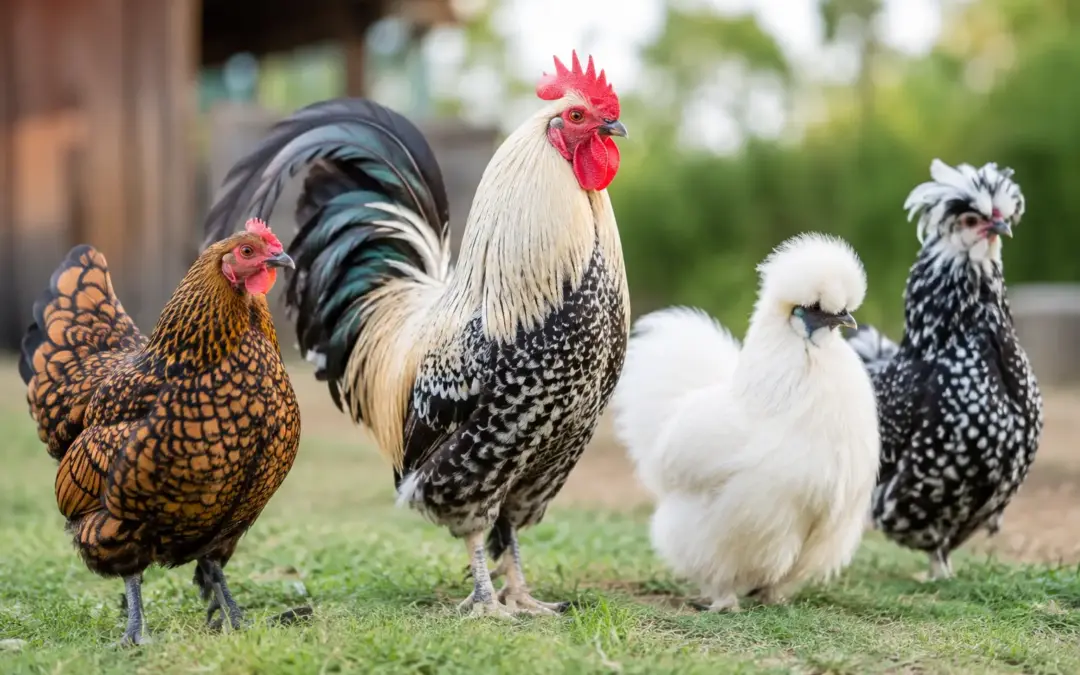
A striking comb, unusual plumage or a breed name you have only seen in old poultry books can make rare poultry breeds for sale hard to pass by. But rarity alone is not a reason to buy. The best additions to a flock are sound, true to type, suited to your ground and sourced from a breeder who can speak plainly about the birds behind the advert.
For serious keepers, buying uncommon stock is about protecting breeds as much as owning something different. That means looking beyond a flattering photograph and asking whether the line has been bred with health, temperament and breed character in mind.
What makes a poultry breed genuinely rare?
“Rare” is used loosely in classified adverts. Sometimes it means a breed with low national numbers. Sometimes it means a colour variety that is scarcely seen, a carefully maintained utility line, or simply birds that do not often appear in a local area.
Those distinctions matter. A recognised heritage breed may be rare because few breeders are maintaining it properly. A fashionable cross can be difficult to find in one county yet have no particular conservation value. Neither is automatically a poor choice, but buyers should know what they are paying for.
Ask the seller what makes the stock rare. A knowledgeable breeder should be able to explain the breed, variety, parentage and the qualities they are selecting for. They should also be honest where a line is still being developed, where markings vary, or where birds are being sold as pet quality rather than exhibition standard.
Breed standards are useful reference points, not a reason to chase perfection at the expense of welfare. A bird with a correct colour but weak vigour, poor feet or a difficult temperament is not good breeding stock. Soundness comes first.
Where to find rare poultry breeds for sale with confidence
A specialist marketplace gives you a better starting point than broad, anonymous listings. You can look for breeders who identify the breed and variety clearly, show their own birds and are prepared to answer practical questions before a sale. No noise, just quality stock and a direct conversation with the person who bred or reared it.
The listing itself should tell you something useful. Look for the age and sex of live birds, whether they are pure bred, the hatch date for chicks, and details of the flock the eggs came from. Clear photographs of several birds are more valuable than one heavily edited close-up.
If you are purchasing hatching eggs, ask how frequently eggs are collected, how they are stored and when they will be sent or made available for collection. Fertility and hatchability are affected by far more than the breeder’s intentions: season, age of parent stock, weather, handling and transport all play a part. A good seller will not promise an unrealistic hatch rate.
Hatch & Hive is built for these conversations. It gives breeders and keepers a focused place to list stock properly, ask sensible questions and find people who understand that breeding quality is more than a catchy breed name.
Questions worth asking before you commit
You do not need to interrogate every seller, but a few direct questions prevent expensive mistakes. Ask whether the birds are from the breeder’s own flock, what they are fed, how they have been housed and whether any health issues have occurred recently. If you are buying breeding stock, ask about the breeding group and how unrelated the available birds are to your existing flock.
For a rare breed, it is also reasonable to ask which characteristics the breeder is working to retain or improve. They may mention head points, leg colour, feather quality, body shape, egg production or broodiness, depending on the breed. The answer will quickly show whether they are maintaining a line with intention or simply producing birds.
Be wary of sellers who cannot identify basic details, will not provide current photographs, or pressure you to pay before you have agreed collection and seen enough information. A lower price is rarely a bargain if the bird is not what it was described to be.
Choose the right form of stock
Rare breeds are sold as hatching eggs, day-old chicks, growers, point-of-lay pullets, breeding trios and established adult birds. The right choice depends on your experience, facilities and patience.
Hatching eggs offer the widest choice of bloodlines and are often the most economical route into an unusual breed. They also carry the most uncertainty. You need a reliable incubator, a brooder ready before hatch day and a plan for cockerels. If the eggs are posted, accept that careful packing cannot remove every risk from transit.
Chicks remove the incubation stage but demand secure heat, close observation and capable rearing. They are a sensible option for keepers who want to start with a rare breed but would rather assess their rearing results than their incubator settings.
Growers and adult birds cost more because the breeder has carried the feed, housing and risk. In return, you can see more of their quality, sex them with greater confidence and build a flock sooner. For a first breeding group, a well-selected pair or trio can be better value than repeatedly buying eggs in the hope of getting the right combination.
Inspect health without expecting a showroom bird
Poultry live outdoors, scratch in bedding and moult. A healthy bird is not always pristine, particularly in breeding season. Still, there are basic signs you should expect to see.
The bird should be alert and balanced on its feet, with clear eyes and clean nostrils. Breathing should be quiet. Check the condition around the vent, the legs and feet, and the underside of the bird if the seller is happy for you to handle it. Look for signs of external parasites in feathered areas and around the vent, while remembering that a single broken feather is not a diagnosis.
Watch the flock where possible, not only the bird being sold. Overstocked pens, persistent coughing, wet litter and birds sitting hunched should make you pause. A responsible breeder may quite reasonably refuse visitors during a disease concern or during biosecurity-sensitive periods. That is not automatically suspicious. What matters is whether they communicate clearly and offer current information.
Do not bring new poultry straight into your established flock. Separate arrivals in a suitable quarantine area, use separate footwear and equipment where practical, and observe them before introductions. The ideal duration depends on your setup and the health risks you are managing, but a rushed introduction is a gamble no rare breed is worth.
Match the breed to your holding
Some rare breeds are wonderfully calm around families and adapt well to a garden flock. Others are active flyers, noisy cockerels, determined broodies or birds that need more room and better fencing than a standard setup provides.
A light Mediterranean-type bird may thrive with space to range but test low fencing. A heavily feathered breed can look superb in dry conditions yet suffer where mud clings to foot feathering. Large fowl may be gentle but need substantial perches, secure housing and enough floor space. Bantams may be easier on a smaller plot, though they are not necessarily easier to protect from predators or bad weather.
Ask about laying pattern too. Heritage poultry are not all bred for maximum egg numbers. Some earn their place through hardiness, mothering ability, table qualities or historic character. That is part of the appeal, provided it suits what you actually want from the flock.
Collection, transport and first-day care
Collection is usually the calmest option for live birds. Arrange a time that avoids unnecessary waiting, bring a clean, secure carrier with good ventilation, and keep the journey direct. Birds should be protected from draughts and extremes of temperature, but never sealed into an airless box.
Prepare the pen before you leave home. Fresh water, appropriate feed, dry bedding and a quiet area matter more than fussing over newcomers. Let them settle, monitor them closely and avoid adding further changes in the first few days.
Keep the breeder’s details and your own records. Note the purchase date, hatch year where known, parentage, colour variety and any ring information. If you later breed from the birds, those notes become part of the value you pass on. Rare breeds survive through keepers who can say where their stock came from and what has been selected over time.
The right bird may not be the closest, cheapest or most dramatic one you see this week. Wait for stock that suits your setup, comes from a breeder you trust and gives you a proper footing for the flock you want to build.