
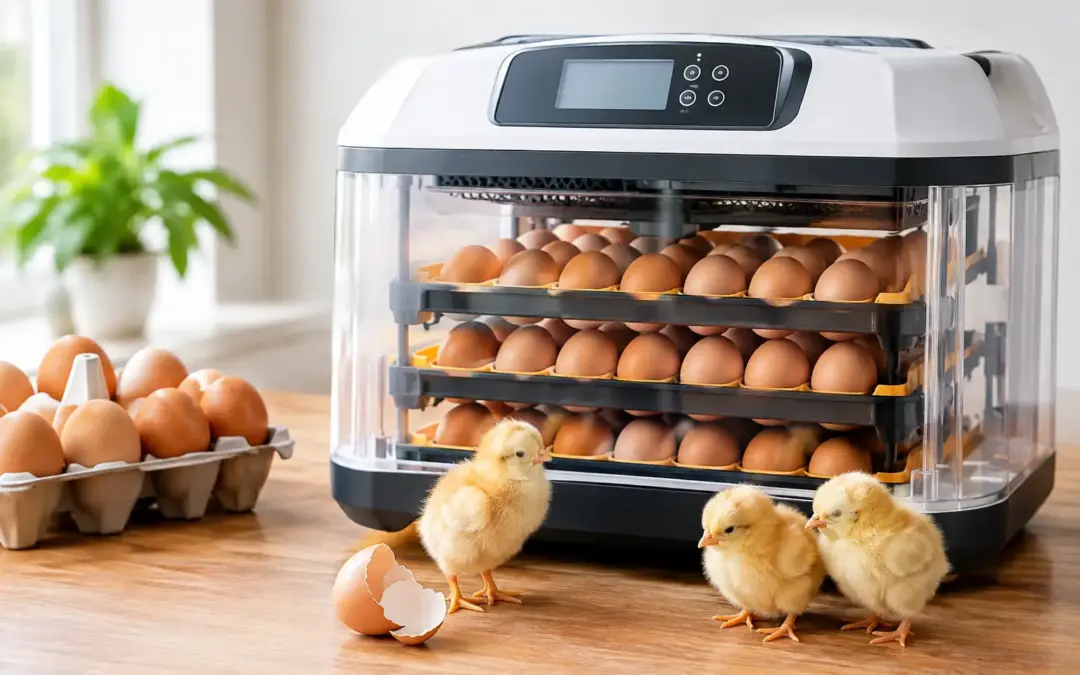
A smart incubator purchase starts long before the first egg goes in. Poultry incubator reviews are useful, but only when you read past the star rating and look for what happened during a full hatch. A machine can look tidy on a workbench, hold a decent temperature for an afternoon and still disappoint when it is loaded with valuable eggs from a carefully selected breeding pen.
For breeders and keepers, an incubator is not just another bit of kit. It can be the difference between carrying a line forward and losing a season’s work. The right model depends on your egg numbers, species, housing conditions and how closely you can monitor the hatch. No noise, no gimmicks – just a machine that gives developing eggs the stable conditions they need.
What poultry incubator reviews should tell you
The most useful reviews describe a complete hatch, not an unboxing. Look for details on fertility, hatchability, temperature checks, humidity management and how many chicks actually emerged without assistance. A reviewer who says they set 24 fertile eggs, candled at day seven and hatched 19 healthy chicks has given you far more to work with than somebody saying the unit is “great”.
Be careful with claims of poor hatch rates where the writer has not mentioned egg age, storage, transport or fertility. Even an excellent incubator cannot correct eggs that have been stored too long, chilled in transit or produced by a cockerel with low fertility. Equally, do not dismiss repeated reports of early losses, uneven hatches or chicks pipping but failing to emerge. Patterns across several reviews matter.
Pay attention to the setting in which the incubator was used. A unit kept in a heated utility room is under less pressure than one running in an unheated shed during a cold February. Room temperature, draughts and direct sunlight all affect performance, particularly with smaller polystyrene machines. A good review states the conditions, not merely the outcome.
Separate the incubator from the eggs
A breeder reviewing a hatch from their own established flock may be working with exceptionally fertile, fresh eggs. That is useful, but it does not prove every part of the machine is faultless. Reviews involving posted hatching eggs need the same care: air cell damage and rough handling can reduce results before the incubator is switched on.
The best evidence comes from keepers who have completed several batches with similar egg quality and explain what they changed between hatches. Their comments can reveal whether an incubator is forgiving, consistent and easy to adjust when conditions shift.
Temperature accuracy matters more than the display
Most incubators have a digital display, but the number on the screen is only useful if it reflects the temperature at egg level. Some budget machines are surprisingly accurate; others need checking with an independent, reliable thermometer before valuable eggs are set.
Read reviews for mentions of calibration. If several owners say the displayed temperature runs high or low by the same amount, that is manageable if the machine holds steady and can be adjusted. A unit that swings repeatedly is a different proposition. Developing embryos cope far better with stable conditions than with constant peaks and dips.
For forced-air incubators, temperature should be measured around the eggs, not against the lid. Still-air models are more sensitive to thermometer placement, and they demand a clearer understanding of the manufacturer’s instructions. Neither design is automatically wrong. Forced-air machines tend to offer more even conditions and suit regular hatching, while a simple still-air unit can work well for a small keeper willing to monitor it closely.
Do not be overly impressed by an app, alarm or bright control panel if reviewers report that the alarm triggers late, the probe drifts or the controls are awkward to use. The practical question is simple: can you set the machine, verify it independently and trust it to hold conditions overnight?
Capacity is not the same as useful capacity
Manufacturers often quote capacity using standard hen eggs. That figure may be much lower with large fowl, bantam, duck or goose eggs. If you keep more than one breed, look for reviews from owners hatching eggs similar to yours.
An incubator advertised for 24 eggs may only take that number comfortably in its turning tray. Large eggs can sit too tightly, while smaller bantam eggs may need a different insert to turn properly. Goose eggs are another matter entirely, and a machine suitable for a handful of chicken eggs may not provide the space or airflow they require.
Consider how you hatch, not just how many eggs you hope to set. A breeder with staggered pens may value two smaller incubators over one large cabinet, allowing separate setting dates or breeding groups. Someone raising a seasonal batch of table birds may prefer a larger unit with room to spare. Filling every slot is not always efficient if it prevents you from separating breeds, dates or questionable eggs.
Turning systems deserve close scrutiny
Automatic turning is convenient, especially for anyone setting eggs around work and family commitments. It also reduces the chance of missed turns. But reviews should tell you whether the tray turns gently, whether eggs remain secure and whether the mechanism is reliable over time.
Roller systems often suit a range of hen egg sizes, while cradle or tray systems may make orientation easier to manage. Manual turning remains perfectly viable for a small clutch, provided it is done consistently and the incubator is not left open for long periods. The trade-off is time and discipline.
Check how the machine handles lockdown. In the final days before hatch, eggs should no longer be turned. A well-designed incubator makes it straightforward to stop or remove the turning mechanism without disturbing the eggs. Reviews that mention difficult tray removal, cramped space or chicks getting caught around moving parts are worth taking seriously.
Humidity is where many hatches unravel
Temperature gets most of the attention, but humidity management is often what separates a clean hatch from a frustrating one. You need to know how easy the water channels are to fill, whether they can be topped up without opening the lid and how the incubator responds when room humidity changes.
There is no single humidity figure that guarantees success for every egg, breed or home. Egg weight loss and air cell development are better guides than blindly following a number on a display. For chicken eggs, regular candling and, where practical, weighing sample eggs can show whether humidity needs adjusting. Duck and goose eggs may require a different routine, including cooling or misting depending on species and management method.
A built-in hygrometer is useful, but reviews frequently reveal that it is the weakest component on cheaper units. Treat it as a guide until you have checked it against a trusted hygrometer. A machine with simple, accessible water reservoirs can be preferable to one with a flashy but inaccurate humidity readout.
Cleaning, build quality and support are not minor details
After hatch, the incubator needs to be cleaned thoroughly and dried before it is stored or used again. Look at how easily the base, lid, trays and turning parts come apart. Chicks are messy, and hard-to-reach corners soon become a hygiene problem.
Plastic units are generally easy to wipe down and tend to hold up well to repeated use. Polystyrene models often insulate effectively and can be affordable, but they mark more easily and need gentler cleaning. Cabinet incubators make sense for larger-scale breeding, yet they take more space, cost more and should be backed by dependable parts availability.
Reviews are particularly valuable when something has gone wrong. A replacement sensor, motor or fan is far less worrying when the supplier answers the phone, stocks parts and gives clear advice. For UK keepers, local support and a realistic warranty can be worth paying for, especially when the incubator will be used year after year.
A sensible way to compare poultry incubator reviews
Rather than choosing the model with the highest average score, compare machines against your own priorities. Start with the species and number of eggs you genuinely expect to hatch. Then assess temperature stability, turning, humidity access, cleaning and after-sales support in that order. Features only count if they make those jobs easier.
When reading reviews, give more weight to detailed accounts from people who have hatched more than once, particularly those keeping similar breeds in similar conditions. Ignore the occasional unrealistic claim of a perfect hatch from every fertile egg. Nature is not that tidy, and honest breeders know it.
If you are buying hatching eggs from a specialist breeder, ask what incubator type they use and what conditions they recommend for that particular breed. Good sellers want their eggs to have the best possible start, and a straightforward conversation can prevent expensive guesswork. Hatch & Hive is built around those direct, knowledgeable connections – the sort that help keepers make better decisions before they set a clutch.
Choose an incubator you can understand, check and clean without fuss. Then give it a trial run, verify its readings and learn its behaviour before entrusting it with eggs you would hate to lose. That preparation is rarely exciting, but it is where better hatches begin.