
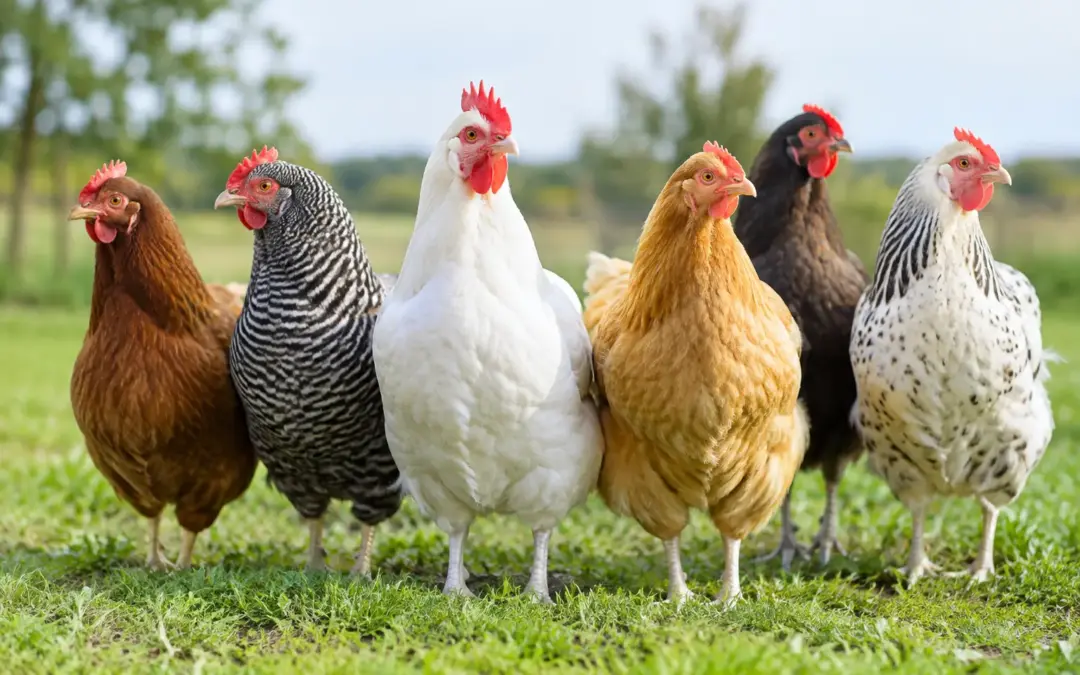
A good flock starts long before birds arrive in the run. Poultry breed guides are useful because they turn a tempting photograph or a promising advert into the right questions: Will this bird suit the ground, the household, the existing flock and the reason you keep poultry in the first place?
There is no single best chicken breed. The right choice for a family wanting steady eggs from a modest garden is not necessarily right for a breeder protecting a heritage line, or for a smallholder wanting table birds with sensible laying ability. Start with the job you need the flock to do, then assess individual stock on its merits.
What good poultry breed guides should tell you
A proper guide goes beyond egg colour and a headline laying figure. It should give you a realistic picture of size, temperament, hardiness, broodiness, housing needs and likely productivity. It should also make clear where a breed has strengths and where it asks more of the keeper.
A large, calm bird may be ideal around children but require stronger perches, more floor space and more feed. A smaller, lively bantam can be a brilliant fit for a compact set-up, but it may fly better, need a more secure run and lay eggs too small for someone wanting a household supply. These are not faults. They are practical trade-offs.
Breed standards matter too, particularly when buying breeding stock or hatching eggs. A bird can be attractive, healthy and productive while still being a poor example of its breed. If you are planning to breed, ask about the line, parent birds, faults the breeder is working away from, and whether the stock has been selected for type as well as vigour.
Choose by purpose before appearance
Feather colour is part of the pleasure of keeping poultry, but it should come after the basics. Decide what success looks like for your flock.
Reliable eggs for the household
For regular eggs, look at a breed’s laying pattern rather than chasing an optimistic annual total. Some birds lay strongly through their first two seasons, while others are slower to start but reward the keeper with years of steady output. Hybrids are often chosen for high production, but pure breeds can offer excellent laying alongside the ability to breed replacements from your own flock.
Consider egg size as well as quantity. Large fowl generally produce larger eggs, although that comes with a larger bird, heavier feed bill and more substantial housing. Bantams may lay surprisingly well for their size, but their eggs are naturally smaller.
A self-replacing, broody flock
If you want hens that will sit and rear chicks, broodiness becomes an asset rather than an inconvenience. Silkies, Pekin bantams and some traditional heavy breeds are often valued for their mothering instincts. The trade-off is simple: a broody hen is not laying while she is sitting or raising chicks.
For those breeding rare colours or heritage poultry, reliable broodies can be worth their weight in corn. Even so, do not assume every hen within a traditionally broody breed will oblige. Bloodlines, age, season and individual temperament all play a part.
Table birds and dual-purpose poultry
Dual-purpose breeds suit keepers who value a useful carcass as well as eggs. They are usually slower-growing than birds bred specifically for meat, but often bring hardiness, character and better long-term flock value. Sussex, Dorkings and Indian Game crosses are examples of the sort of birds often considered in this category, though the best choice depends on your land, feeding plan and whether you are breeding or buying growers.
Be realistic about finishing times and feed conversion. A traditional bird is not a shortcut. It is a choice to keep poultry with a different set of strengths.
Showing, breeding and conservation
For exhibition and serious breeding, detail matters. Comb shape, leg colour, carriage, lacing, feather quality and body type can all separate a sound breeding prospect from a merely pretty bird. This is where buying from a breeder who knows the line is especially valuable.
Rare and heritage breeds need keepers who will protect their character, not just multiply their numbers. Ask whether stock is from unrelated lines, how closely birds are bred, and what the breeder prioritises. A candid answer is usually a good sign.
Match the breed to your set-up
A breed guide can describe a bird, but it cannot see your fencing, soil or neighbours. That part is down to you.
Heavy breeds need solid perches set at a sensible height, with enough room to land without damaging feet or breasts. Light Mediterranean-style birds tend to be active, alert and better at getting over a low fence. Feather-legged breeds can look their best on dry, well-managed ground, whereas persistent mud can turn beautiful foot feathering into a welfare headache.
Climate and exposure matter across the UK. A hardy bird with a compact comb may be more comfortable in a cold, wet position than a breed with a large comb that is more vulnerable to frost damage. That does not mean delicate-looking breeds are unsuitable for British keepers. It means good housing, dry litter, ventilation and shelter have to be part of the plan.
Noise deserves an honest mention. Hens are not silent, and cockerels are louder still. If you have close neighbours, a breeding group may not be practical regardless of how appealing the chosen breed is. Check local rules and, more importantly, preserve good relations before bringing in a male bird.
Temperament is useful, not guaranteed
Breed tendencies are real, but they are not promises. A generally placid breed can produce a sharp individual, while a flighty breed can contain a remarkably friendly hen. Handling from a young age, flock hierarchy, space, health and the way birds are managed all influence behaviour.
Use temperament notes in poultry breed guides as a starting point. If you want birds for a family garden, tell the seller that. Ask which birds in the group are calmest and whether they have been handled. If you want alert, free-ranging birds that can cover ground, say so. A knowledgeable breeder can often steer you towards the right strain or individual rather than simply naming a breed.
Large fowl or bantams?
This choice affects more than the size of the eggs. Large fowl are often easier to source in broader colour ranges and can be more practical for households wanting substantial eggs. They also need more room, sturdier equipment and can make more impact on a wet lawn.
Bantams are not simply miniature pets. Many are serious breeding birds with established standards, distinctive qualities and dedicated followings. They can suit smaller holdings and are often economical to keep, but secure accommodation is vital. Their lighter weight can make them more vulnerable to predators and more capable of finding a route out of an inadequate run.
Do not mix sizes casually. A settled mixed flock can work, but a heavy large fowl bird can injure a tiny bantam during mating or through ordinary jostling at feed time. Separate housing and thoughtful flock management are often the safer route.
Buy the stock, not just the breed name
Once you have narrowed down the breed, focus on the quality of the actual birds or eggs offered. Clean, bright eyes, sound legs, good feather condition and an alert manner are useful signs, but health cannot be judged from a single photograph. Ask direct questions about age, vaccination where relevant, diet, parasite control, recent illness and the reason for sale.
For hatching eggs, ask when they were laid, how they have been stored, what fertility has been like in the breeding pen and how eggs will be packed. No responsible seller can guarantee a hatch rate after eggs have travelled, because handling, incubation and postal conditions all affect the result. They should, however, be open about their flock and their usual results.
When collecting live poultry, look at the conditions in which the birds are kept. Clean housing, fresh water, sensible stocking levels and birds that move freely tell you far more than a polished advert alone. Quarantine new arrivals away from your existing flock where possible, and do not rush introductions.
Questions worth asking a breeder
Before committing, make sure you can answer four practical points:
- What is the age, sex and breeding background of the birds?
- Are they pure bred, and do they match the breed standard you are aiming for?
- What have they been fed, and what routine are they used to?
- Are there any known health, fertility or temperament issues in the line?
The best sellers welcome sensible questions. They know that a good match protects their reputation, the bird’s welfare and the future of the breed.
A specialist marketplace such as Hatch & Hive gives keepers a more focused place to compare stock and speak directly with people who understand what they are breeding. That matters when you are looking for a particular colour, a proven utility line or birds with the right temperament for a working smallholding.
Your flock will change with the seasons, the ground and your own experience. Choose birds you can house well, feed properly and enjoy looking after. The right breed is the one that earns its place in your set-up year after year.