
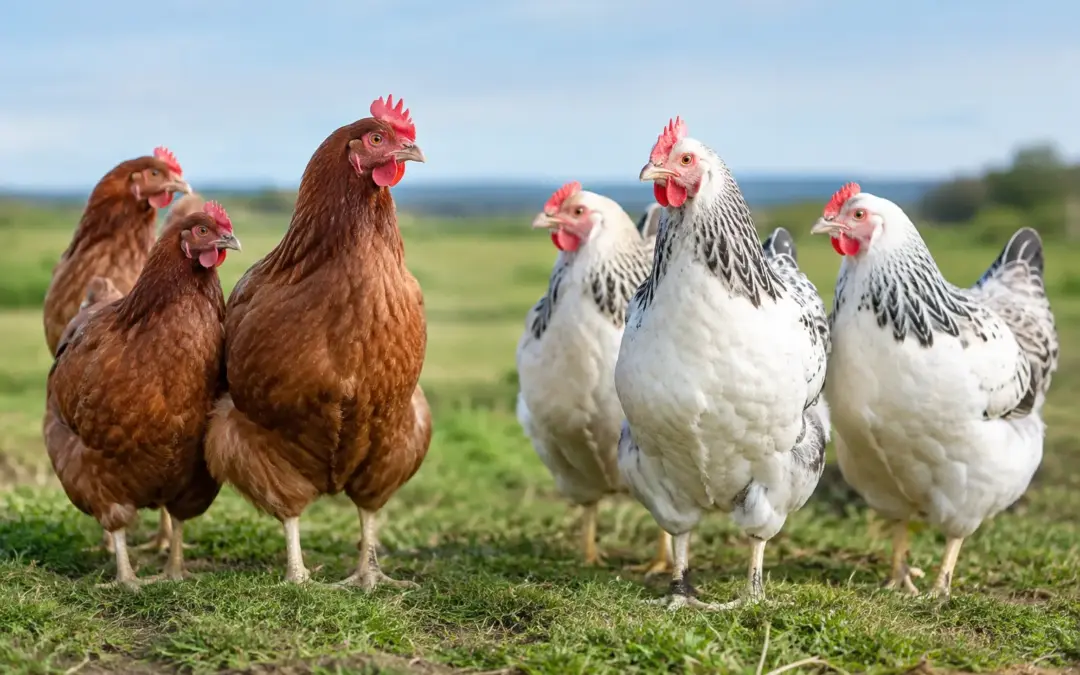
A tray of eggs can make two birds look equal. They are not. The real choice in heritage breeds versus hybrids is about what you want from your flock in three, five or ten years’ time: dependable household production, a breeding programme worth protecting, birds with character, or a sensible balance of all three.
For serious keepers, this is not a question of one type being superior. Hybrids are bred to do a specific job very efficiently. Heritage birds carry generations of type, utility and genetic history that cannot be replaced once it is gone. Buy according to your purpose, keep good records, and be honest about the time and space you have.
What makes a heritage breed different?
A heritage breed is a recognised, established breed that breeds true. Pair a sound cockerel and hens of the same breed, and their chicks should reliably resemble the breed in appearance, temperament and productive traits. There will always be variation within a living population, but the aim is consistency against a known breed standard.
That matters if you value more than this season’s egg count. A well-bred Light Sussex, Barnevelder, Orpington or Scots Grey is part of a continuing line. You can select your own breeding pen, hatch replacements, assess faults, and gradually improve the stock you keep. The work is slower than simply buying point-of-lay birds, but it is proper stockmanship.
Heritage breeds also tend to offer a wider spread of useful qualities. Some are calm family birds. Some are active foragers. Some cope well with a damp British run or a more exposed smallholding. Others are valued for table qualities, brooding ability, striking plumage or scarce bloodlines. No breed suits every set-up, which is why good breeders talk about their birds rather than merely listing a colour and a price.
The trade-off is that pure breeds are rarely designed to produce at the same relentless level as a modern laying hybrid. A heritage hen may lay well, particularly in her first few seasons, but her output is more likely to reflect breed, daylight, diet, moult and her instinct to go broody. That is not a fault. It is simply a different set of priorities.
Why hybrids are so productive
A hybrid is the result of crossing carefully selected parent lines, usually to combine high egg production, efficient feed conversion and early maturity. Common commercial-style laying hens are bred to put eggs in the basket consistently, often through their first and second laying years. For a household that wants a reliable supply without running a breeding programme, that can be exactly the right answer.
Their appeal is practical. Hybrids are often available at point of lay, settle quickly with competent management, and can produce a very respectable number of eggs from a modest flock. If your priority is feeding the family, selling a small egg surplus locally where permitted, or keeping hens as useful companions, there is no virtue in making the job harder than it needs to be.
But a hybrid is not a breed in the traditional sense. The offspring of two hybrids will not reliably repeat the parents’ performance, colouring or type. You may hatch perfectly healthy chicks, but you should expect a mixed outcome rather than a predictable next generation. That makes hybrids a poor foundation for anyone hoping to establish a consistent breeding line.
It is also worth looking beyond the first season. High production asks a lot of a hen’s body. Good housing, a balanced ration, clean water, parasite control and prompt attention to illness matter for every bird, but they are especially relevant when hens are laying hard. A low purchase price is not automatically better value if the source cannot tell you the birds’ age, vaccination history or how they have been kept.
Heritage breeds versus hybrids: choose by purpose
Start with the question that often gets skipped: what do you want the flock to do?
If you want to hatch your own replacements, sell hatching eggs, maintain a rare line or show stock, choose heritage birds from a breeder who can speak clearly about parentage and selection. Ask whether the birds are bred to the standard, whether unrelated blood is introduced sensibly, and what the breeder is improving. “Pure bred” is not enough on its own. Sound legs, vigour, fertility, temperament and correct type all count.
If you want eggs with minimum complication, a well-sourced hybrid flock makes sense. You do not need to pretend you will breed from birds if you have no intention of keeping cockerels, setting eggs or raising youngsters. Plenty of excellent keepers maintain hybrids and give them first-class care.
For many smallholders, the best answer is a mixed flock. A few productive hybrids can keep the kitchen supplied while a separate heritage breeding group preserves the lines you care about. Keep the groups distinct if breeding matters. Once breeds and crosses run together, identifying parentage becomes guesswork very quickly.
Egg numbers are only one measure
The comparison is often reduced to numbers, but egg count is only useful when placed in context. A hybrid may lay heavily and early. A heritage hen may lay fewer eggs yet remain a useful, healthy bird for longer, or contribute fertile eggs and strong chicks to the next generation. A broody hen can be inconvenient if you only want breakfast eggs, but invaluable if you want to rear chicks naturally.
Temperament deserves equal attention. Some heritage breeds have long-standing reputations as steady, people-friendly birds, while others are alert and flightier. Hybrids vary too, depending on their parent stock and how they were reared. Never buy solely on a breed description. Ask the seller what their actual flock is like around people, children, dogs and routine handling.
Foraging ability matters on a holding with room to range. Birds that actively scratch and range can make good use of pasture and woodland edges, though no hen should be expected to feed herself entirely from the ground. In a small urban garden, calmer birds that tolerate confinement may be a more practical fit. Good welfare starts with matching stock to the ground and housing available, not with a fashionable breed name.
What to ask before buying stock or eggs
Quality starts with the breeder, whether you are buying a rare-breed trio, day-old chicks or a batch of hatching eggs. Clear photographs help, but informed answers are better. You should know the birds’ age, the breeding group they came from, how long the seller has kept the line, and whether there have been any recent health concerns.
For hatching eggs, ask about fertility checks, egg collection and storage, dispatch arrangements if relevant, and the age of the breeding birds. Do not expect guaranteed hatch rates from posted eggs. Handling, weather, incubation and simple chance all affect the result. A responsible seller will be straightforward about that rather than promising miracles.
For live poultry, look for bright eyes, clean nostrils, sound feet and legs, good body condition and alert behaviour. Avoid rushing a collection because the listing feels urgent. A proper breeder will want to know where their birds are going, and a proper buyer should be willing to ask sensible questions. That direct conversation is one of the advantages of using a specialist marketplace such as Hatch & Hive rather than a general classified feed.
Breeding carries a responsibility
Keeping heritage breeds is not just about owning something attractive or unusual. If you breed, each pairing affects the quality of birds that follow. Avoid close breeding without a clear plan, resist breeding from birds with persistent health or structural problems, and do not pass poor-quality chicks on as breeding stock simply because somebody will buy them.
Keep records, even if your flock is small. Note hatch dates, parent groups, fertility, health issues, egg colour, growth and temperament. Over time, those notes tell you far more than memory. They also make you a better person to buy from, because buyers can see that your claims are based on observation rather than guesswork.
The right flock is the one you can look after properly and continue to enjoy. Choose hybrids when dependable eggs are the priority. Choose heritage breeds when breeding, character and preservation matter. Then give the birds enough space, sound housing and the standard of care that makes either choice worth making.