
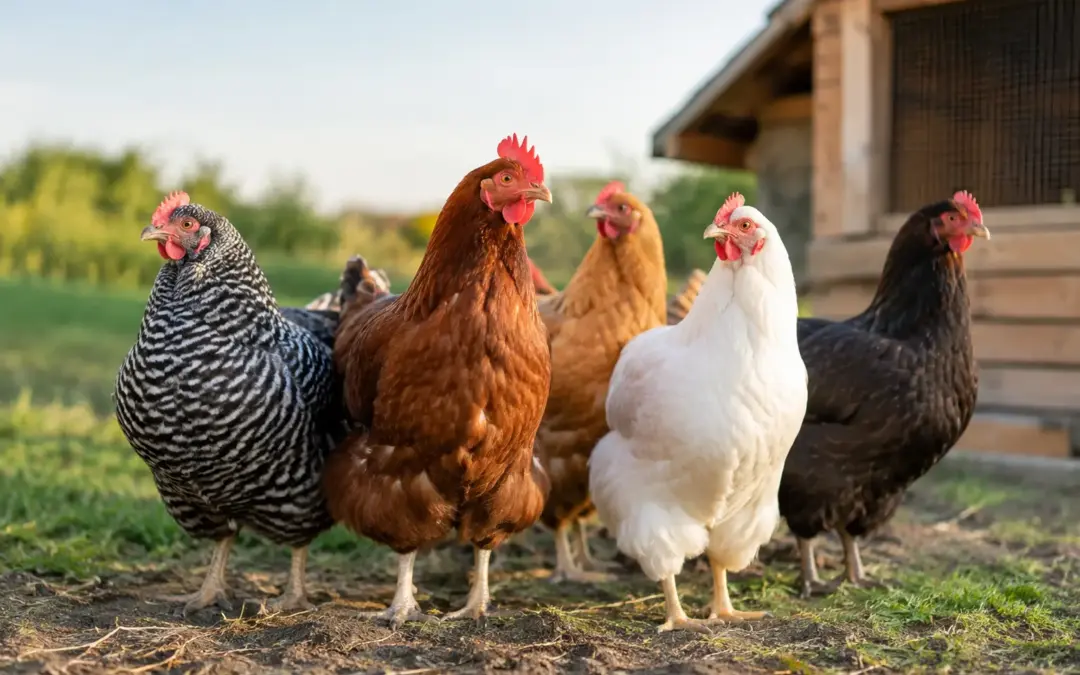
A good flock is a pleasure to keep. Fresh eggs are only part of it. The real reward in chicken keeping is knowing your birds are settled, sound on their legs, safe from predators and behaving as a flock should. Get the foundations right and daily care becomes a routine rather than a rescue job.
That means thinking beyond a pretty coop and a handful of point-of-lay hens. Your space, your time, the stock you choose and the standard of the breeder all shape the outcome. There is no single perfect setup, but there are plenty of poor shortcuts that experienced keepers learn to avoid.
Start with the flock you can properly manage
Before buying birds, decide what you want them for. A small group of reliable layers suits many back gardens. If you want to breed, show, preserve a heritage line or hatch your own chicks, the decision becomes more involved. Breed type, pen layout, cockerel management and record keeping all matter.
Be realistic about numbers. Three or four hens can provide a useful supply of eggs for a household, but they still need daily attention, secure accommodation and somewhere dry to scratch when the weather turns. A larger flock does not simply mean more eggs. It means more bedding, feed, cleaning, disease risk and decisions when birds fall ill or stop laying.
Think about noise as well. Hens have plenty to say, particularly around laying time, but a cockerel is a different proposition. He may be essential to a breeding group, yet he is rarely suitable for a close-knit residential setting. Check your tenancy, local restrictions and, above all, whether your neighbours can live with the reality of poultry.
Chicken keeping begins with secure housing
A coop must do three jobs well: keep birds dry, protect them at night and make cleaning straightforward. Fancy finishes do not compensate for weak catches, poor ventilation or a roof that leaks after the first hard rain.
Choose housing that gives each bird enough room to roost without being packed together. It should have ventilation above bird height, rather than a draught blowing across the perches. Condensation is a warning sign. Damp air, soiled bedding and poor airflow create a miserable environment and can quickly affect respiratory health.
The run needs as much consideration as the coop. Fox-proofing is not optional in the UK. Use strong weld mesh rather than lightweight chicken wire where predators could reach it, secure all edges, and consider an apron of mesh or a skirt around the perimeter to deter digging. Shut birds in securely every evening, even if the garden feels safe.
Ground conditions matter too. A run that becomes deep mud for half the year is difficult to keep hygienic and hard on feet. Rotating access to ground, adding a covered area, and using suitable dry footing can make a modest space work far better. If your birds free-range, do it as a managed privilege, not an excuse for inadequate permanent housing.
Allow for the British weather
Rain, wind and short winter days test every setup. Position the coop where water will drain away and where you can reach it without trudging through a bog each morning. A covered section in the run gives birds somewhere to feed, dust-bathe and stay occupied when they cannot roam.
Do not overlook shade in summer. Poultry cope poorly with extreme heat, particularly heavier breeds. Fresh water, airflow and shelter from direct sun are as necessary in July as a dry house is in January.
Choose stock for health, temperament and purpose
The right bird is not always the breed with the highest advertised egg total. Hybrid layers can be productive, friendly and practical for first-time keepers. Traditional breeds often bring character, hardiness and the satisfaction of maintaining a breed with real history. Bantams can suit smaller spaces and are popular with families, although their egg size and laying pattern may not meet every household’s expectations.
Buy from a breeder who knows their birds. You should be able to ask about age, parentage, feeding, vaccination where relevant, laying history and any known health issues. A good seller will be equally interested in where their birds are going. That is not awkwardness. It is a sign that they care about the stock they have bred.
When viewing birds, look for bright eyes, clean nostrils, good feather condition and alert movement. A bird should not appear hunched, wheezy, lame or heavily soiled around the vent. Temperament is worth observing too, especially if children will be around the flock or if you are adding birds to established hens.
Avoid impulse purchases from vague listings with little detail. Cheap birds that come with poor health, uncertain age or no meaningful background are rarely a bargain. Hatch & Hive is built around a simpler standard: direct contact with people who understand the birds they are selling, with room to ask the right questions before you commit.
Build a routine before problems build up
Healthy chicken keeping relies on noticing small changes early. You do not need to hover over the flock all day, but you do need to see them properly each morning and evening. Watch how they come out of the coop, whether they are eating and drinking, and whether one bird is keeping apart from the others.
Daily jobs are simple: provide clean water, feed an appropriate ration, collect eggs and check that the coop is secure. Feed should be protected from rain and rodents. Layers need a complete layers pellet or mash as their main diet, with treats kept sensible. A handful of greens or mixed corn is not a balanced feeding plan, and too many extras can reduce the intake of the ration that actually supports health and egg production.
Weekly, remove wet bedding, refresh nest boxes and inspect the coop for red mite, particularly around perch ends, cracks and joins. Red mite can multiply quickly in warm weather and may leave hens restless, pale-combed and reluctant to roost. Cleaning is easier when housing has accessible panels and perches that can be removed.
Keep a basic record if you have more than a few birds or plan to breed. Note arrivals, hatch dates, treatments, egg production, losses and parent pairings. It is not bureaucracy for its own sake. Clear records help you spot a drop in performance, avoid accidental inbreeding and make honest decisions when selling stock or hatching eggs.
Protect your flock with sensible biosecurity
Most backyard flocks meet other poultry through new purchases, borrowed equipment, visitors or wild birds. Separate new arrivals from your existing birds for a sensible quarantine period, ideally with separate footwear, feed tools and handling routines. Two to four weeks gives you time to observe them before they share space.
Introducing birds still needs care after quarantine. Put newcomers where they can see the established flock without immediate contact, then supervise early mixing. Pecking-order disputes are normal; relentless bullying, blood or a bird being denied food and water is not. More space, extra feeding points and a place to get out of sight can reduce pressure.
Wild bird contact should be kept to a minimum. Store feed securely, clear spills and avoid allowing standing water to become a gathering point. Avian influenza controls can change quickly, so keep an eye on current official guidance for your area. Keepers with 50 or more birds must register their flock, and smaller keepers should still take disease prevention seriously.
Have a plan for illness. Isolate a sick bird promptly, keep it warm and sheltered, and seek advice from a poultry-aware vet when symptoms are significant or persistent. Sudden deaths, unusual drops in laying, severe diarrhoea, respiratory signs or neurological symptoms are not situations for guesswork.
Breeding brings extra responsibility
Hatching chicks is rewarding, but it is not simply a way to make more hens. Fertility, hatch rates, brooder temperatures, chick care and the likelihood of male chicks all need planning before eggs go into an incubator. If you cannot house, rehome or humanely manage surplus cockerels, do not breed casually.
Serious breeding starts with sound, correctly identified stock and a clear aim. That may be preserving type in a rare breed, improving vigour, selecting for productive utility birds or maintaining a proven family line. Choose breeders who can talk plainly about their programme rather than making inflated claims about colour, purity or laying performance.
For anyone selling eggs, chicks or adult birds, honesty protects the whole community. Describe age, condition, parent stock and collection arrangements accurately. Good buyers remember good breeders, and a reputation built on straight dealing travels further than a flashy advert.
Chicken keeping works best when it is treated as a long-term commitment, not a seasonal novelty. Start with healthy birds, build a dry and secure home, and give yourself a routine you can maintain through rain, holidays and winter mornings. The flock will tell you when you are getting it right.