
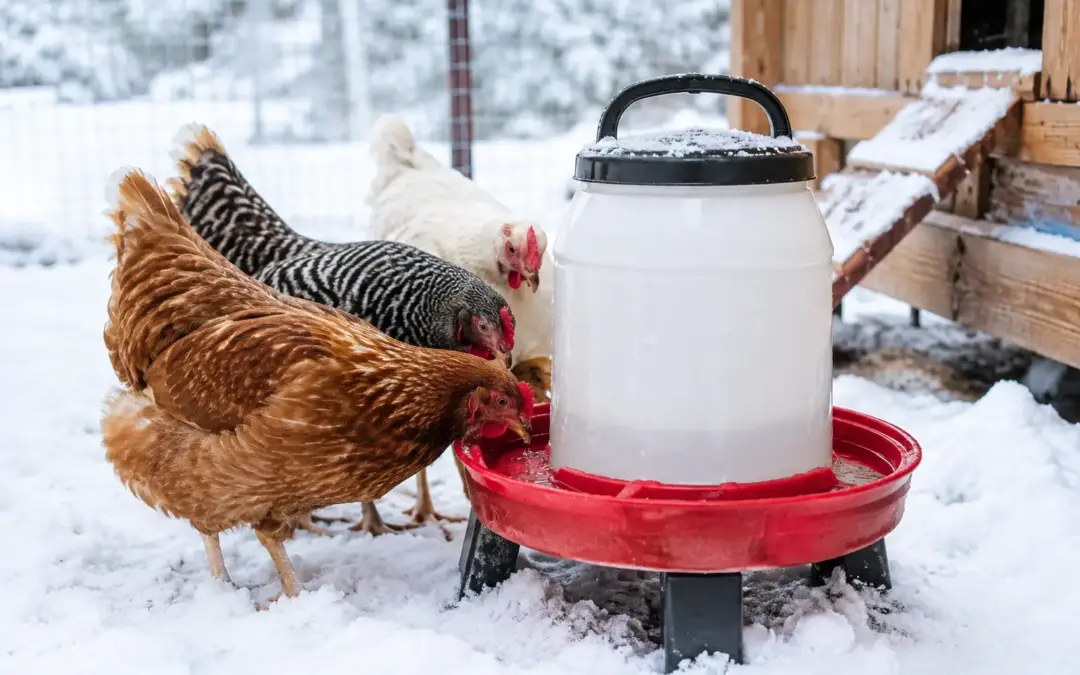
A frozen drinker at 7am is not a minor inconvenience. It means thirsty birds, a wet rush around the run before work, and often a second freeze before lunchtime. The best chicken waterers for winter are the ones that suit your flock, your power supply and the level of frost your site actually gets – not simply the biggest or most expensive unit on the shelf.
For most UK keepers, winter watering comes down to one decision: prevent freezing with electricity, or manage it reliably without electricity. Both can work well. The right choice depends on whether you keep a small garden flock, breeding pens spread across a holding, or poultry in an exposed spot where hard frost hangs around for days.
What makes a chicken waterer work in winter?
A useful winter waterer needs to do three things. It must keep water available for long enough between checks, avoid creating wet bedding or mud around the drinking point, and be straightforward to clean when your hands are cold and the ground is frozen.
Capacity matters, but it is not the whole story. A large container may hold more water, yet its broad exposed surface can freeze quickly. Conversely, a smaller drinker protected inside a covered run can stay usable longer and is easy to swap for a fresh one. For a handful of hens, two modest drinkers rotated through the day are often more practical than one enormous vessel.
Think about the birds as well. Large fowl need a comfortable drinking height, while bantams and young growers may struggle with a raised system. Open bowls are easy for every bird to use but invite litter, mud and droppings. Nipple systems keep water cleaner, although they need careful set-up and checks in freezing conditions.
Best chicken waterers for winter: the main options
Heated drinkers and heated bases
If you have safe, reliable mains electricity at the coop, a purpose-made heated poultry drinker or heated base is usually the least labour-intensive answer. The heating element keeps the water above freezing rather than warm, which is exactly what is needed. Birds can drink normally, and you are not breaking ice several times a day.
A heated base works with many standard plastic drinkers, provided the manufacturer confirms compatibility. It is a sensible option for an established set-up because you can retain a drinker your flock already knows. Choose equipment intended for poultry use, protect cables from pecking and rodents, and use an outdoor-rated supply with proper residual-current protection. Do not improvise with household warming trays, light bulbs or extension leads trailing across wet ground.
The trade-off is cost and dependence on power. A short outage during a cold snap can still leave you caught out, so keep a spare drinker and a plan for manual watering. Heated kit also needs cleaning as routinely as any other drinker. A warm base does not make dirty water acceptable.
Insulated or covered drinkers
Where electricity is not an option, location is your first defence. Put the drinker inside a dry, sheltered run rather than in the open. A solid roof, windbreak and a little morning sun can make a noticeable difference. Insulated drinkers are useful here, particularly for keepers who deal with ordinary overnight frosts rather than prolonged sub-zero days.
Insulation delays freezing; it does not defeat a serious cold spell. That distinction matters. A well-insulated drinker may be ideal for southern or coastal gardens where frost clears by mid-morning, but it will not replace heat on an exposed upland smallholding in a week of hard weather.
A simple raised stand also helps. Keeping the drinker off frozen paving or soil reduces heat loss and stops litter being kicked into the tray. Use a stable stand that cannot tip when a heavier hen leans into it. The drinker should be high enough to keep the water cleaner, but low enough for the smallest bird in the pen to reach easily.
Bell drinkers with a spare rotation
The standard gravity-fed bell drinker remains a sound choice, particularly when you keep a spare. It is inexpensive, familiar to most poultry, easy to scrub and quick to replace when the tray starts to ice over.
For small flocks, fill two drinkers with fresh water each morning. Put one into service and keep the other somewhere frost-free, such as a utility room, feed room or secure shed. Swap them when needed rather than trying to chip ice from a dirty tray. This is not glamorous, but it is dependable and avoids turning a simple job into a daily battle.
Avoid overfilling bell drinkers in winter. Water sloshed into bedding creates damp conditions, and damp housing is a bigger welfare problem than a little extra effort at the drinker. Give the flock enough water for the interval until your next check, then refresh it.
Nipple drinkers and cup systems
Nipple systems can be excellent for breeding pens and larger set-ups because they keep water cleaner and reduce spillage. They also make it easier to offer several drinking points along a line, which prevents lower-ranking birds being pushed away from a single drinker.
In winter, though, every part of the system must be considered. Pipes, connectors, nipples and small cups can all freeze. A fully insulated, heated line can work very well, but it is more of an installation than a quick seasonal purchase. It suits keepers who want a permanent, managed system and are prepared to test it before the coldest weather arrives.
For a back garden flock, a basic nipple bucket may be more trouble than a bell drinker during frost unless it is kept in a protected place and checked regularly. If your birds have never used nipples, train them well before winter. Do not introduce an unfamiliar drinking method on the day their usual water source freezes.
Placement matters as much as the waterer
Even the best equipment struggles in the wrong place. Keep water out of the sleeping area so spills do not raise humidity in the coop, but place it close enough that birds will use it readily in driving rain or snow. A sheltered corner of the run is usually right.
Do not put a drinker directly beside the feeder. Birds naturally flick feed into water, and wet mash around the tray quickly becomes unpleasant. A few feet of separation keeps both cleaner. If the ground is muddy, stand the drinker on slabs, a firm mat or a raised platform that can be washed down.
For mixed flocks, offer more than one watering point. This is especially worthwhile with cockerels, assertive hens, young pullets or birds recently moved into a new group. Winter is not the time for timid birds to wait their turn at one half-frozen tray.
Winter water mistakes worth avoiding
Adding salt, sugar, antifreeze or other substances to poultry water is not a clever shortcut. Chickens need clean, plain water. If it is cold enough to freeze, manage the drinker rather than altering what the birds consume.
Hot water is not much of an answer either. It may melt existing ice, but it cools quickly outdoors and can encourage a false sense that the problem is solved. Use fresh cool water and a system that suits the conditions.
Black rubber tubs are sometimes suggested because they absorb sunshine. They can help a little in bright conditions, but they are open to contamination and are easily fouled by active birds. They are better treated as an emergency option than a primary winter waterer.
Finally, do not assume a drinker is working because it looks liquid from a distance. Check the tray, nipples or cups physically. A narrow layer of ice, a blocked valve or frozen outlet can leave a container apparently full while the flock cannot drink from it.
Choosing for your flock, not the catalogue
A mains-powered heated drinker is usually the best investment for a flock kept at home with a safe outdoor electrical supply. For a small flock without power, two quality bell drinkers in rotation, placed under cover and raised from the ground, are often the most sensible arrangement. On a larger breeding set-up, heated nipple lines may justify their greater cost through cleaner water and less daily labour.
Buy for the cold weather you genuinely experience, then keep a backup ready. Frost has a habit of exposing weak routines, particularly when several pens need attention before daylight. A dependable water set-up protects bird welfare, saves time and lets you focus on the part of poultry keeping that matters: keeping healthy, well-managed stock in good condition through to spring.