
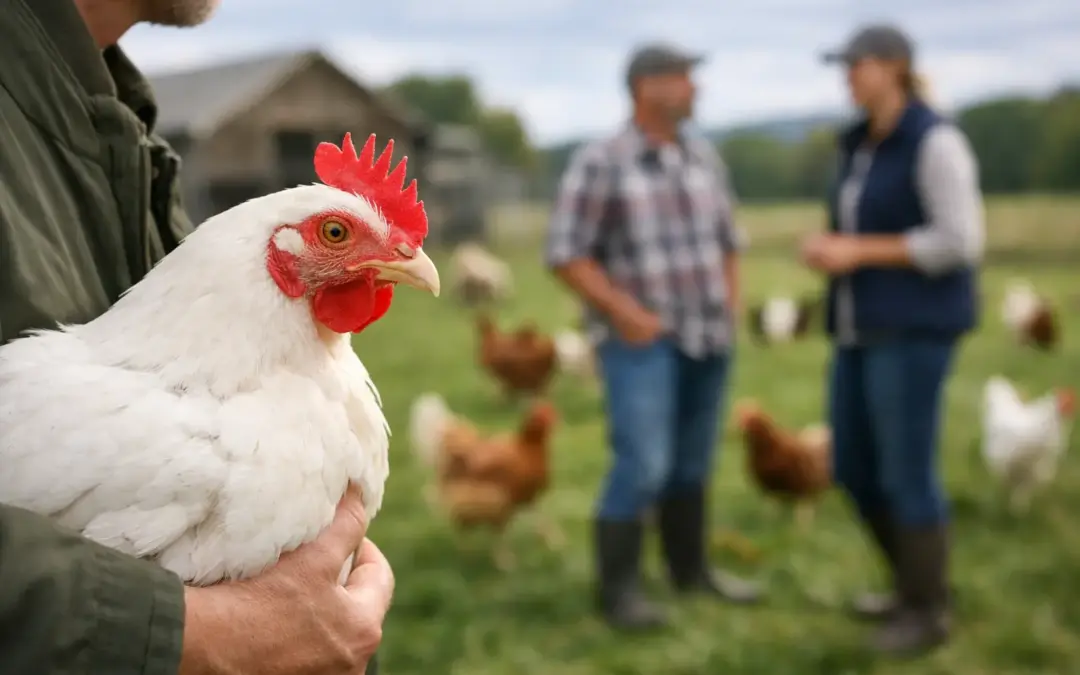
If you have ever turned up for what was meant to be a promising trio, only to find mixed birds, vague answers and no real breeding records, you already know why trusted poultry breeders UK keepers can rely on are worth seeking out. Good stock is not just about what looks smart in a photo. It is about honesty, consistency, breed knowledge and the sort of standards that still matter once the bird is off the perch and in your own setup.
For serious keepers, the problem is rarely a lack of birds for sale. It is sorting genuine breeders from casual sellers, opportunists and people moving on surplus without much care for breed quality. That distinction matters whether you are buying hatching eggs, growers, POL pullets or a breeding pen for next season.
What makes trusted poultry breeders UK buyers should use
A trusted breeder is not simply someone with a tidy advert and a few decent pictures. In poultry, trust is built through the small details. They know their lines. They can tell you the age of the stock, how it has been bred, what the parent birds are like for type and laying, and whether there are any faults you should know about. They do not pretend every bird is show standard if it is not.
That honesty is usually the clearest sign you are dealing with someone worth buying from. Good breeders are proud of their birds, but they are also realistic. They will tell you if a line is better for utility than exhibition, if fertility has dipped because of weather, or if a particular mating was done to improve one trait at the expense of another. That is the difference between selling poultry and breeding it properly.
There is also a practical side to trust. Healthy, well-managed birds tend to come from breeders who run clean housing, sensible stocking levels and clear routines around feed, worming, quarantine and biosecurity. You may not get a formal checklist, but you should come away with the sense that the seller knows exactly how their birds are kept and why.
Why generic marketplaces so often waste your time
Most experienced keepers have tried broad classified sites or social media groups at some point. Sometimes you get lucky. More often, you spend days chasing messages, asking basic questions that should already have been covered, and trying to work out whether the birds advertised are even the birds being sold.
Generic platforms are built for volume, not specialist livestock. They do not naturally reward good breeding practice, and they do little to separate knowledgeable breeders from people clearing space in the shed. That creates noise. For buyers, noise usually means risk.
This is especially frustrating if you are after rare breeds, specific colour varieties or birds from proven lines. The more specialist your needs, the less useful a general selling space becomes. You need a seller who speaks your language, understands what matters in the breed and can answer proper questions without deflecting.
Start with the breeder, not the bird
A common mistake is to fall for the bird first. You see a handsome cockerel or a neatly marked pullet and decide to make the rest fit around that. Better buying usually works the other way round. Start by assessing the breeder, then look at the stock.
Ask what they breed regularly, not just what they happen to have available this week. A breeder working consistently with a few breeds or lines is often a safer bet than someone advertising a little bit of everything. Breadth is not always bad, but in poultry it can sometimes signal trading rather than breeding.
It also helps to ask how long they have kept that breed and what they are breeding for. Some are focused on utility traits such as laying strength, hardiness and temperament. Others prioritise type, feather quality and exhibition potential. Neither approach is wrong, but it changes what sort of stock you are likely to receive.
The questions worth asking before you buy
A serious breeder should expect sensible questions. If they seem irritated by them, that tells you plenty.
Ask about age, parentage and whether the birds are bred on site. If you are buying hatching eggs, ask how fertility has been running recently and how the eggs are stored before dispatch or collection. If you are buying live birds, ask what they are fed, whether they are vaccinated if relevant to that setup, and whether new stock is quarantined.
Then ask the question many buyers avoid because they do not want to sound awkward: are there any faults or limitations I should know about? Good breeders answer directly. They might say a cockerel is strong in body but weaker in comb, or that a line lays well but matures a little slowly. That kind of answer builds confidence.
You should also pay attention to how specific the replies are. Trusted breeders usually answer from experience rather than guesswork. Vague phrases like “should be fine”, “not had any problems” or “pure as far as I know” are not always red flags, but they should make you slow down.
Signs of quality when viewing stock
If you are collecting in person, look beyond surface cleanliness. Bright eyes, good feather condition and active birds matter, but context matters too. Are the birds alert and settled? Is the housing well managed? Does the breeder handle the birds calmly and confidently? Do different pens appear organised, with pairings that make sense?
You are not looking for a showroom. Plenty of excellent breeders work from practical, muddy, weather-beaten smallholdings. What you want to see is care, order and evidence of standards. Birds that are overcrowded, stressed, or poorly matched in breeding pens suggest corners are being cut.
If you cannot view in person and are buying at distance, the breeder should still be able to provide clear, current photos and answer detailed questions. Distance buying always carries more uncertainty, so the quality of communication becomes even more important.
Hatching eggs, chicks or growers – it depends what you need
The right breeder for hatching eggs may not be the right breeder for started birds, and vice versa. With eggs, fertility, handling and dispatch standards are central. With chicks, you want confidence in early management, hardiness and accurate breeding. With growers or adults, you can assess more of the bird itself, but transport and acclimatisation become bigger factors.
There is always a trade-off. Hatching eggs can give you access to lines and breeds that are hard to source locally, but hatch rates are never guaranteed, especially once eggs have travelled. Started birds cost more, but they remove some of that uncertainty. Adult breeding stock gives you the clearest view of what you are getting, though it also demands the most careful integration and quarantine at your end.
Trusted breeders will usually talk you through those trade-offs rather than pushing the highest value sale.
Community reputation still counts
In poultry circles, reputation travels. Not always loudly, but steadily. Breeders who are consistent, fair and straight with people tend to be known for it. So do those who disappoint buyers, misdescribe stock or vanish when there is a problem.
That does not mean you need a big public profile or years on the show circuit before buying from someone. Plenty of smaller breeders produce excellent stock. But some form of reputation helps, whether through repeat buyers, breed circles, local keeping networks or specialist marketplace activity where sellers are clearly operating within the community rather than on the edge of it.
This is one reason specialist spaces matter. When breeders and buyers meet in a setting built around poultry rather than general resale, standards are easier to maintain. The expectations are different. People ask better questions because they know what they are looking at.
Why specialist marketplaces make better buying easier
Finding trusted poultry breeders UK keepers actually want to buy from gets easier when the platform itself is designed for the trade. A specialist marketplace cuts down the usual clutter and brings the right categories together – hatching eggs, chicks, breeding stock, housing and related kit – without forcing serious breeders into the same space as every other casual seller online.
That sort of environment suits both sides. Buyers can browse with more confidence and compare stock in context. Sellers can present what they breed properly, speak to an informed audience and have direct conversations before a sale is agreed. For many keepers, that is a better fit than trawling broad classifieds and hoping for the best.
At Hatch & Hive, that is the point. No noise, just quality stock and a community that takes breeding seriously.
Buy with a clear purpose
Before you make contact, be honest about what you need the birds for. If you want productive layers for the back garden, do not pay breeding pen prices for exhibition-focused stock you will never use properly. If you want to improve a line or start showing, cheap and cheerful birds from uncertain parentage will only cost you more later.
Purpose sharpens your buying. It also helps the breeder advise you well. The best transactions in poultry are not rushed. They are matched.
Take your time, ask proper questions and trust the breeder who answers plainly, not the one who promises the most. Good birds start with good people, and that is still the soundest way to buy.