
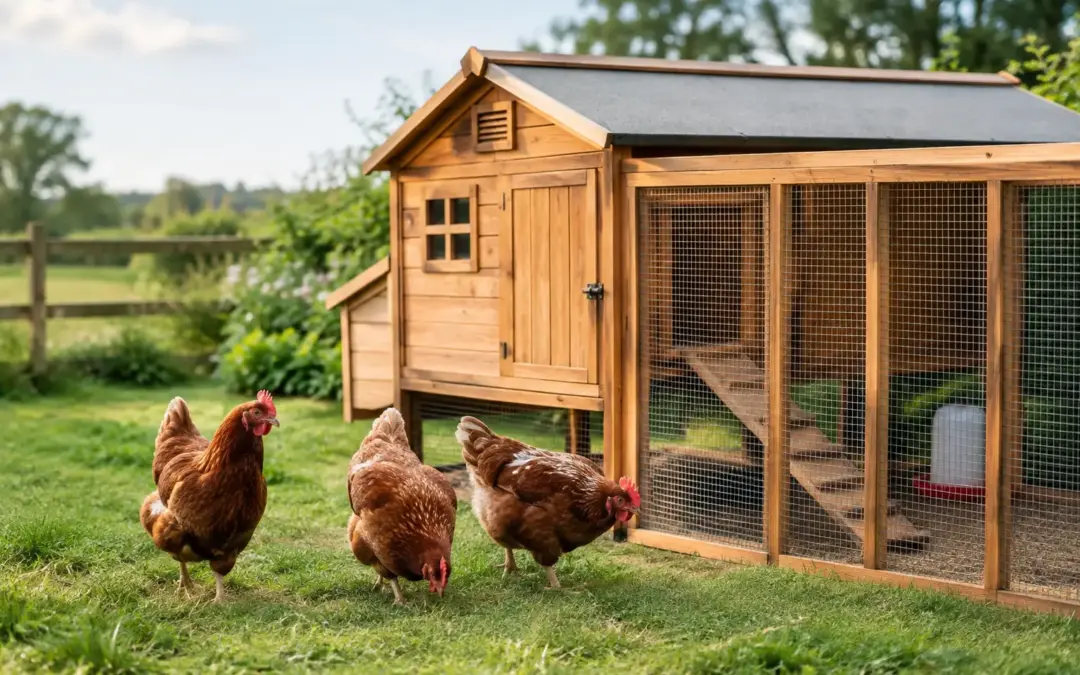
A coop that looks smart in the garden can still be a poor place to keep birds. The best chicken housing UK keepers choose is not defined by a painted roof, a bargain price or a claimed bird capacity. It is housing that stays dry through a wet February, cleans out without a battle, keeps foxes out, and gives every bird enough room to settle properly.
For a small back garden flock, the wrong coop soon shows itself in damp bedding, squabbles on the perch, red mite hiding places and birds reluctant to go in at dusk. For breeders and smallholders, poor housing can affect condition, fertility and the practical work of managing separate pens. Good housing is one of the foundations of good poultry keeping. No noise, just the right set-up for the birds in front of you.
Best Chicken Housing UK Keepers Should Prioritise
Start with the flock, not the product listing. A housing set-up for three quiet bantams is not automatically suitable for six large, active fowl, nor is a family coop necessarily right for a breeding group that needs controlled pairings. Breed size, temperament, local predator pressure and the amount of time you can give to cleaning all matter.
The essentials are simple: adequate internal space, dry ventilation, secure construction, accessible cleaning and a covered or well-managed run. The detail is where many buyers get caught out. A coop may technically accommodate a stated number of chickens, but that figure is often based on a minimum rather than a comfortable long-term arrangement.
As a working guide, allow at least 0.3 square metres of indoor floor area per standard-sized hen, with more space for larger breeds. Bantams need less room individually, but they still need enough perch space and room to avoid being pushed away from popholes or nest boxes. If birds are confined more often in winter, during avian influenza housing measures, or because your garden is exposed, give them more room than the minimum.
Perches and nest boxes are not afterthoughts
Chickens need roughly 20 to 25 centimetres of perch space each, with enough height for them to feel secure but not so much that heavy breeds injure themselves jumping down. Rounded timber perches with softened edges tend to be kinder on feet than narrow bars. Place them higher than nest boxes, otherwise hens may choose to sleep in the boxes and leave you with soiled eggs every morning.
One nest box for every three or four hens is usually enough, provided the boxes are dark, dry and easy to reach. Hens will often queue for the same favourite box regardless of how many alternatives you supply, so do not assume more boxes solve every issue. A calm layout, clean bedding and sufficient space make the greater difference.
Timber, Plastic or Metal: Choose for Your Set-Up
There is no single best material for every keeper. The right choice depends on your flock, your site and how you prefer to manage hygiene.
Timber coops remain popular because they can look at home in a traditional garden, offer good insulation and are often easier to repair. A well-built wooden house with solid panels, a weatherproof roof and sensible access points can last for years. The trade-off is maintenance. Timber needs regular checking for rot, warped doors and gaps around joints, particularly after prolonged rain. Rough, untreated internal surfaces and awkward roof joins can also give red mite a place to settle.
Plastic housing is quick to wash, has fewer cracks for mites to hide in and is often easier to move. That makes it a strong option for keepers who value straightforward cleaning or need a practical quarantine house. However, not all plastic coops offer generous space or enough ventilation, and lighter models may need anchoring in exposed areas. Check that the floor, door fittings and pophole are properly secured rather than relying on the material alone.
Metal housing can be durable and useful in more agricultural settings, especially where it forms part of a larger covered pen. It needs careful insulation and ventilation planning, though. Metal can become cold, hot or prone to condensation if the building is not designed for poultry. A shed converted into a coop can work very well, but it should be adapted with perches, ventilation, predator-proof openings and surfaces that can be cleaned properly.
Ventilation Without a Draught
Stale, humid air is a bigger problem than many new keepers realise. Chickens produce moisture overnight through breathing and droppings. In a tightly shut coop, that moisture settles on bedding and walls, creating the conditions for respiratory trouble, mould and ammonia build-up.
Ventilation should sit above the birds’ roosting height, allowing warm, damp air to escape without a cold blast running across the perch. Small vents near the roofline, covered with secure mesh, are usually more effective than simply leaving a window open at bird level. If the inside of the coop feels damp in the morning or has a sharp ammonia smell, the set-up needs attention.
Weatherproof does not mean airtight. This is particularly relevant across much of the UK, where rain and wind are a routine part of the housing test. A raised coop, a sound roof overhang and a sheltered entrance help keep bedding dry without closing the house up completely.
The Run Matters as Much as the Coop
A sound coop cannot compensate for a cramped, muddy run. Your birds will spend much of their waking day outside, especially if free-ranging is limited. Plan the house and run as one system.
A permanent run should allow enough room for foraging, scratching, dust bathing and getting away from more dominant birds. More space is always better, but if your area is limited, make it work harder with dry ground cover, branches or low platforms, sheltered corners and multiple feed and water points. These simple changes reduce boredom and pressure around resources.
Mud is more than an inconvenience. It carries dirt into the coop, compromises foot health and makes routine cleaning harder. A roofed section is worth its weight through winter, particularly on heavy ground. Use a free-draining base where possible, and avoid placing the coop in the lowest, wettest part of the garden simply because it is out of sight.
Build security into the design
Foxes are persistent, capable and often active in daylight. A basic latch, lightweight mesh or loose paving slab is not a serious security plan. Use strong welded mesh on runs, secure all doors with predator-proof fastenings, and check for weak points at the base of the enclosure.
Whether you add an anti-dig skirt, bury mesh or use a solid perimeter depends on the ground and the style of run. The aim is the same: prevent digging underneath and prevent access through vulnerable joins. Covering the run also protects against climbing predators and wild bird contact. Inspect it regularly. Housing security is only as good as the damaged corner you have not yet noticed.
Make Cleaning Easy Enough to Do Properly
The best housing is housing you will maintain. Before buying, picture yourself cleaning it on a wet morning with a bucket, scraper and impatient birds around your feet. Can you reach every corner? Does the roof lift safely? Is there a droppings tray beneath the perches? Can bedding be removed without dismantling half the coop?
Removable perches, wide access doors and smooth internal surfaces make a genuine difference. Deep litter systems can work in larger, dry and well-ventilated housing, but they require management rather than neglect. For many small flocks, regular spot cleaning, weekly refreshes and periodic full cleans are the more reliable route.
Red mite checks should be part of that routine, especially in wooden housing. Look under perch ends, around felt roofing, within joins and behind removable panels. Catching a problem early is far easier than dealing with a heavy infestation when birds are already restless and losing condition.
Buy for the Flock You May Keep Next Year
Chicken keeping has a habit of growing. Three hens become six, then a separate pen is needed for a cockerel, a broody hen or a breeding project. Buying slightly larger than your immediate needs can save money and disruption later, provided you can still keep the flock warm and settled in the space.
That does not mean purchasing the biggest house available. An oversized, poorly managed coop can be just as inconvenient as a cramped one. It means choosing a design with sensible access, a realistic capacity and the ability to add a run extension or divide birds when needed.
When browsing specialist housing listings, ask direct questions about internal measurements, timber thickness, ventilation points, roof material and access for cleaning. Photos rarely tell the full story. A knowledgeable seller should be able to explain how the house has been used and what size or type of flock it genuinely suits.
Hatch & Hive brings poultry keepers and specialist sellers into the same focused marketplace, making it easier to find housing that fits the standard of the stock you keep. The right house will not just contain your birds. It will give them a dry, secure place to roost, lay and thrive, leaving you more time to enjoy the flock you have worked hard to build.