
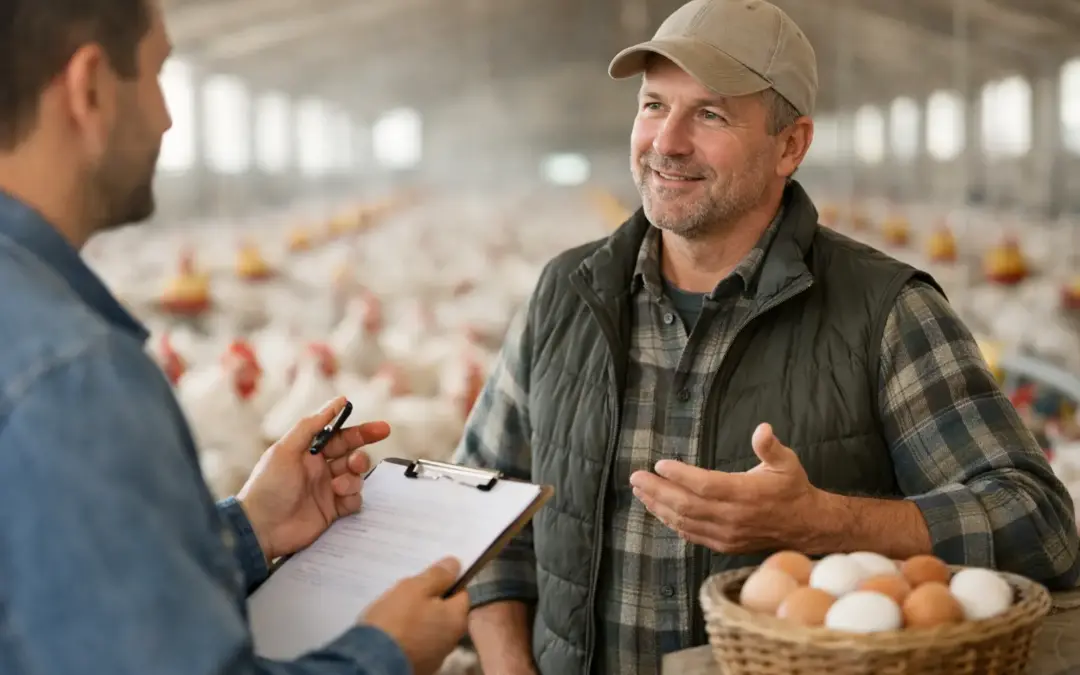
A bird can look smart in a listing photo and still be the wrong purchase for your setup. The difference is usually found in the conversation before collection. Knowing what questions to ask poultry sellers gives you a clearer picture of the bird’s health, breeding, temperament and background – and shows a serious seller that their stock is going to a considered home.
Good breeders expect sensible questions. They should be able to talk plainly about their flock, their breeding aims and how the birds have been kept. You are not trying to catch anyone out. You are making sure the stock suits your plans and that you can bring it home responsibly.
Start with what you need from the birds
Before contacting a seller, be clear about the job the bird needs to do. Are you looking for reliable layers, a breeding trio, exhibition-quality stock, a calm family flock or a particular heritage breed? A handsome cockerel from a respected line may be a poor fit if you only have a small garden and close neighbours. Equally, bargain pullets may not help if your priority is breeding true to type.
Tell the seller about your existing birds, available space and whether you have kept that breed before. A good breeder may steer you towards a different age, sex or variety than the one you first enquired about. That is useful advice, not a hard sell.
What questions to ask poultry sellers about health
Health should be the first practical conversation, but keep it specific. Rather than asking simply whether the birds are healthy, ask whether the seller has had any recent illness, unexplained losses, lice, mites, respiratory signs, lameness or persistent egg issues in the flock. Ask when the bird was last wormed, if relevant, and what treatment was used.
A seller cannot promise that a live animal will never become unwell after it leaves their holding. Stress, transport, a new diet and mixing with unfamiliar birds can all affect a bird. What they can do is give an honest account of the flock’s current condition and management.
Ask how the birds look and behave day to day
Find out whether the bird is eating and drinking normally, laying if it is a hen of laying age, and moving freely. Ask about its comb colour, droppings, breathing and feather condition if you cannot inspect it before committing. Clear close-up photographs and a recent video can be helpful, particularly when buying from further afield.
At collection, take a proper look. Healthy birds should be bright, alert and clean around the vent, with clear eyes and nostrils. Check feet and legs for swelling, scaly leg mite or obvious injury. A bird that is hunched, wheezing, standing apart from the flock or visibly underweight deserves a pause, whatever the listing says.
Ask about parasites and flock routine
Red mite is a housing problem as much as a bird problem, so ask how coops are cleaned and inspected. Find out whether the flock is housed on deep litter, kept on grass runs, free-ranging, or managed in breeding pens. None of these systems is automatically right or wrong. The point is to understand what the bird is used to and whether you can provide a similar standard of care.
If you are buying several birds, ask whether they have been kept together. Established companions often settle more easily than unrelated birds assembled at collection. Conversely, birds from separate pens may need more careful introductions at your end.
Get clear on age, sex and stage of production
Ask for the hatch date or best estimate of age. Terms such as pullet, point-of-lay and breeding-age can mean different things depending on the breed and the seller. A large fowl may mature later than a bantam, while seasonal breeding patterns can affect laying and fertility.
For sexed chicks and young birds, ask how sex has been determined and how certain the seller is. Some breeds are sex-linked, but many are not reliably sexed until they show clear physical or behavioural signs. An honest seller will explain whether you are buying a confirmed female or an educated estimate.
If you want eggs, ask what the hens are producing now rather than assuming every point-of-lay pullet will lay immediately. Moving home can interrupt laying for a while. Ask about egg colour, typical size and whether the bird has shown any recurring laying difficulties. If you are buying a cockerel, ask about temperament, noise levels and how he behaves with hens. A protective male is one thing; a consistently aggressive one is another.
Ask breeding questions that match your aim
When buying breeding stock, pedigree and parentage matter. Ask which cock bird and hens produced the bird, whether the line has been bred for exhibition, utility, colour, egg production or a mixture of traits, and whether the breeder can identify any faults they are working away from.
For rare and heritage breeds, ask whether the stock is bred to the recognised breed standard and whether it comes from unrelated lines. This is particularly valuable if you plan to breed on rather than simply keep a few attractive hens. A seller who knows their lines should be able to discuss colour, type, vigour and the traits they select for without making grand claims.
Do not assume that pure breed means flawless. Every breeding programme involves judgement and trade-offs. A bird may be strong in size and body type but carry a minor colour fault; another may be a sound layer but not suited to the show pen. What matters is that the seller is upfront about it.
Questions for hatching eggs, chicks and ducklings
Hatching eggs need their own set of questions because results depend on more than the seller. Ask when eggs were laid, how they have been stored, how often they are turned, and when they will be posted or made available for collection. Freshness matters, and eggs that have travelled can have lower hatch rates than eggs collected locally.
Ask about the breeding ratio in the pen and the seller’s recent fertility and hatch experience. This is a guide, not a guarantee. Season, weather, the age of the breeding birds, handling and your own incubator settings all affect results. A responsible seller will discuss likely outcomes honestly rather than promising a perfect hatch.
For chicks and ducklings, confirm their hatch date, heat requirements, current feed and whether they are fully feathered if they are being sold as growers. Ask whether they have been raised indoors, under a broody or outdoors, as this will help you prepare a suitable transition.
Cover collection, biosecurity and paperwork
Ask how and when collection should happen. Sellers may prefer a quiet time of day, especially during the breeding season, and they may have clear rules for visitors near their pens. Respect those rules. Biosecurity protects their flock and yours.
Take suitable, clean carriers with secure ventilation. Do not arrive with a dirty crate that has just transported birds from another holding. Ask whether the seller has any current movement restrictions or precautions in place, particularly if animal health measures are changing locally. Requirements can alter, so both buyer and seller should check the current rules that apply to their holding and journey.
If paperwork, ring numbers, vaccination details or breeder records are available, ask for them before collection. Not every small breeder will have formal records for every bird, but clarity is always better than assumptions.
Pay attention to how the seller answers
The quality of the answer often matters as much as the answer itself. A good seller may not know every detail, especially with a large mixed flock, but they should not dodge direct questions or pressure you into a quick decision. They should be realistic about what they are selling and willing to say when a bird is not suitable for your plans.
Walk away if photographs appear old, basic questions about age or health are ignored, collection is repeatedly avoided, or the birds shown do not match the birds offered. A low price is rarely a saving if it leaves you with poorly matched stock, unexpected veterinary costs or a difficult introduction to your existing flock.
Specialist spaces such as Hatch & Hive make it easier to start a proper buyer-seller conversation, but the responsibility still sits with both sides. Ask clearly, listen closely and give the birds the same scrutiny you would expect for your own breeding pen.
The right seller will not resent a careful buyer. They will usually be glad their birds are going to someone who takes poultry keeping seriously.