
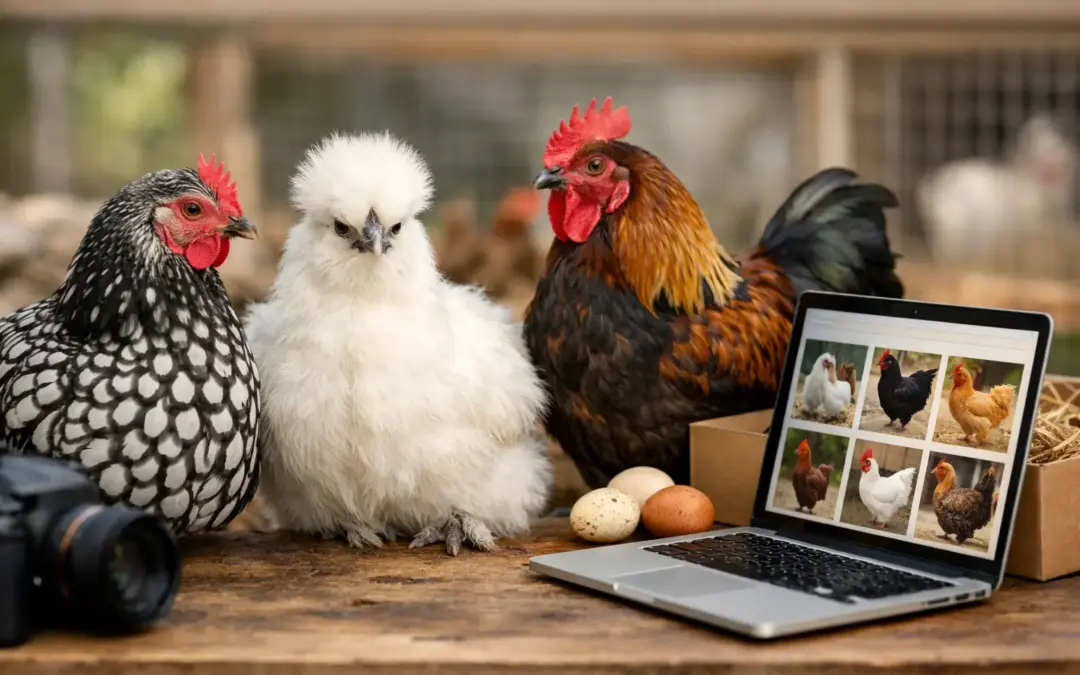
A Silver Pencilled Wyandotte, a carefully selected Norfolk Grey or a properly bred Pekin is not just another chicken listing. The buyer is often looking for a line to build on, birds with the right type, or hatching eggs they can trust. Selling rare breed chickens online works best when the advert gives serious keepers the detail they need to buy with confidence – and filters out enquiries from people who are not ready for the responsibility.
A specialist marketplace is useful because it puts your stock in front of people who understand the difference between a pretty bird and a sound breeding prospect. But the listing still has to do the hard work. Clear facts, honest photographs and sensible collection arrangements are what turn interest into a good sale.
Start with stock worth putting your name to
Rare does not automatically mean good. A breed can be scarce locally while still being poorly bred, crossbred, unhealthy or far removed from its recognised standard. That may sound blunt, but it protects both the buyer and the reputation of the breeder community.
Before listing, assess the birds as breeding stock rather than simply as surplus poultry. Look at overall vigour, condition, temperament, leg and foot health, feather quality, body shape and the features that define the breed. For a crested breed, for example, crest quality matters, but it should not distract from poor carriage or weak type. For colour varieties, be candid where birds are promising but not exhibition standard.
Age matters as well. A point-of-lay pullet, an established breeding trio and a late-hatched young cockerel answer very different needs. State the hatch date or best estimate, whether birds are currently laying, and whether they have been running together. If you are selling hatching eggs, say when the breeding pen was formed and how often eggs are collected.
There is no shame in describing stock as pet quality, utility stock or unsexed youngsters where that is the fair description. The problem begins when every bird is labelled “show quality” or “rare breeding pair” without the evidence to support it. Straight talking earns repeat buyers.
Make rare breed chicken listings specific
A buyer should not have to send three messages to learn the breed, sex, age and location. Put the key information in the listing from the start, then use the description to explain what makes the stock worth considering.
Include the recognised breed and variety, whether the birds are large fowl or bantams, their age, sex and number available. State the price clearly and make it plain whether it is per bird, per pair, per trio, per dozen eggs or for the whole group. If the birds are related, say so. If they are from unrelated pens, that can be equally valuable information for somebody planning a breeding programme.
Good provenance is a selling point. Explain the source of your line in practical terms: how long you have kept it, what you are selecting for, and whether you have introduced new blood. Avoid grand claims you cannot verify. “Bred from my closed flock for four years, selected for strong lacing and calm temperament” tells a buyer far more than “top bloodlines”.
For hatching eggs, be realistic about fertility and hatch rates. Fertility can change with weather, flock age, moulting, nutrition and the handling of eggs after they leave your hands. You can state your own recent results, but no responsible breeder promises a hatch rate once eggs have been transported or stored elsewhere.
Photograph the actual birds, not an ideal
One strong main photograph attracts attention. Several useful photographs make the sale. Use recent images of the birds being offered, taken in daylight where possible. Show both sides, the head and comb, legs and feet, and a full standing profile. For a group, include individual shots if buyers are choosing particular birds.
Avoid heavily edited images and old photographs of a parent bird that is not part of the sale. A photo of the breeding pen can be helpful, but label it as such. Buyers of rare breeds are alert to detail, and they will notice when the bird in the picture does not match the description.
A clean coop background is enough. You do not need studio photographs. What matters is that the bird can be seen properly, its condition is honest, and the buyer has a fair basis for asking sensible questions.
Selling rare breed chickens online means setting boundaries
The right buyer will usually welcome clear conditions. Live poultry is not a casual parcel purchase, and a breeder should not feel pressured to hand over birds to somebody who has not considered housing, flock compatibility or biosecurity.
State whether collection is required, your general area, and the times when collection can be arranged. It is sensible to ask buyers to bring suitable, secure carriers. If you offer delivery or a meeting point, be precise about the arrangement and only use transport methods you are comfortable with from a welfare perspective.
Ask a few relevant questions before confirming a sale, especially for breeding groups or unfamiliar breeds. Does the buyer already keep poultry? Do they have a quarantine space? Are they adding a cockerel to an established flock? A new keeper does not need to be dismissed, but they may need a little guidance before taking home birds that require experienced management.
Be clear about deposits, holds and cancellations. A modest non-refundable deposit can be reasonable for birds held back from other buyers, provided the terms are stated before payment. Do not hold stock indefinitely on the strength of a vague message. Good stock attracts plenty of interest, and a clear process is fairer to everyone.
Put bird health ahead of a quick sale
Never list birds that are visibly unwell, underweight or carrying an obvious parasite burden. That is basic husbandry, not a marketing choice. Keep new arrivals separate from your established flock, and avoid moving birds on immediately after bringing them in. A buyer deserves to know that the birds have had time to settle and be observed.
Tell buyers about any relevant health history honestly. That does not mean creating alarm over every minor issue, but it does mean being open about treatment, recent illness or a known concern in the flock. Responsible buyers will respect that approach and can make informed decisions for their own birds.
Movement rules and disease-control measures can change, particularly during periods of avian influenza controls. Check the current requirements that apply where you are before arranging collection, delivery or a meeting point. If restrictions make a sale impractical, postpone it. Protecting your flock and other keepers comes first.
Price for quality, not for a fast clear-out
Pricing rare breeds is rarely as simple as checking the cost of feed. Years of selection, housing, incubation, losses, routine care and the value of a well-kept line all sit behind a properly bred bird. Buyers who understand that are not necessarily looking for the cheapest option. They are looking for value and confidence.
That said, the market varies by breed, season, age and local availability. A mature, proven pair may command more than unproven youngsters, while point-of-lay pullets can be in strong demand when people are building a flock. Hatching eggs may be a lower-cost entry point for buyers, but they bring the uncertainty of incubation and are not a substitute for livestock.
Use comparable listings as a sense check, then price honestly according to what is actually being offered. A well-described £45 pullet can be easier to sell than a vague £25 bargain with no age, photographs or background. Do not inflate a price solely because a breed is called rare. Explain the quality, and let the listing justify the figure.
Build the sort of reputation that brings buyers back
One good transaction can lead to future egg orders, stock enquiries and recommendations within the poultry community. Reply promptly, answer questions plainly and do not disappear once a deposit has been paid. When a buyer collects, have the birds ready, confirm what they are taking and share the practical information that will help them settle the birds safely.
A dedicated marketplace such as Hatch & Hive gives breeders a place to present that standard of care to people who take poultry seriously. The real asset, though, is your reputation. Accurate listings, healthy birds and fair dealings travel further than any sales pitch.
The best rare breed sales leave both sides satisfied: the breeder knows the birds have gone to a capable home, and the buyer feels they have bought stock with a genuine future. That is how a listing becomes more than a sale – it becomes a useful connection in the breeding community.