
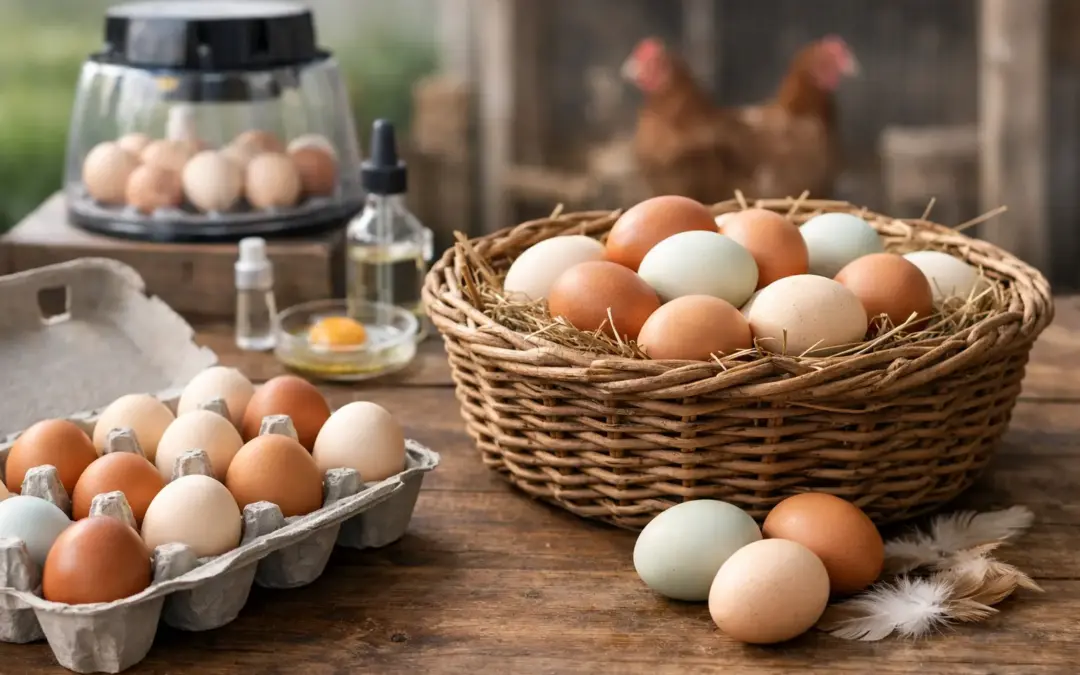
A buyer can tell the difference between a breeder who simply has eggs to spare and one who has built a proper hatching-egg programme. If you are learning how to sell fertile eggs, start there: sell the quality of your breeding, not a vague promise of chicks in every shell.
Hatching eggs are a specialist product. Fertility, hatchability, safe handling and delivery all matter, but so does the confidence a buyer has in the person behind the listing. Clear information and sensible expectations bring the right buyers back when they are ready for their next breed.
Start with a flock worth breeding from
Before listing a single dozen, look hard at the birds producing them. Buyers of hatching eggs are often looking for a particular breed, colour, strain or utility quality. They want to know that the birds are healthy, well managed and genuinely representative of what is being advertised.
Use breeding stock with sound type, vigour and temperament. If you are selling a recognised breed, be accurate about whether your birds follow the relevant breed standard closely, are from established lines, or are simply attractive backyard birds of that type. There is nothing wrong with the latter, but calling crosses or unproven colours something they are not will quickly damage your name.
Fertility needs checking rather than assuming. A cock running with hens does not automatically mean every egg is fertile. Watch mating behaviour, consider the age and condition of both sexes, and crack a small sample of fresh eggs to inspect the germinal disc before you begin selling. A fertile disc usually shows a distinct bullseye appearance, whereas an infertile disc is a small, plain white spot.
Flock balance matters too. Too few males can reduce fertility; too many can cause feather damage and stressed hens. The right ratio varies by breed, size and individual birds, so use your own observations rather than copying a fixed number from someone else’s set-up.
How to sell fertile eggs with an honest listing
The strongest listings answer the sensible questions before a buyer has to ask them. State the breed or cross, the number of eggs included, the age of the eggs when dispatched or collected, and whether they are from a pen or a mixed flock. If colour genetics are relevant, explain what the pairing is expected to produce without presenting probabilities as guarantees.
Photographs should show the actual breeding birds in decent natural light. Include the cock as well as the hens, and use current images. A picture of a perfect bird from three seasons ago says very little about the eggs being sold this week.
Give a brief account of how the flock is kept. Buyers appreciate knowing whether birds are free-ranging, housed in breeding pens, on clean bedding, or managed as part of a smallholding flock. Keep it factual. Good husbandry speaks for itself.
Be equally clear about the limits of the sale. You can reasonably stand behind the freshness, handling and stated parentage of your eggs. You cannot guarantee a hatch once eggs have travelled and passed into another keeper’s incubator. Incubator calibration, storage after arrival, transport conditions and operator experience all affect results.
That is not an excuse for poor stock or careless packing. It is a fair boundary that serious buyers understand. A straightforward line explaining that hatch rates cannot be guaranteed after collection or posting protects both sides and sets a professional tone.
Collect, hold and date eggs properly
Collect eggs frequently, particularly in hot or freezing weather. Dirty, cracked, misshapen or heavily soiled eggs should not go into a hatching batch. Do not wash hatching eggs, as washing can remove the protective bloom and introduce problems through the shell. Light surface dirt may be carefully dry-cleaned where necessary, but it is better to keep nest areas clean enough that this is rarely needed.
Mark eggs lightly in pencil with the date laid or batch code. Avoid marker pens and do not write heavily on the shell. Dating gives you control over what is leaving the holding and lets you avoid selling eggs that have sat too long.
Store eggs point-down in a cool, stable place away from direct sun, strong smells and temperature swings. A domestic kitchen is often too changeable. If eggs are held for several days, gently turn them at least once a day. Freshness is a selling point, so dispatch or offer collection promptly rather than building up old stock to make a larger box.
Many breeders aim to sell eggs within seven days of laying. They may still hatch beyond that, but hatchability generally becomes less dependable as storage time increases. If an order includes eggs at the upper end of your usual dispatch window, say so. Honest dates matter more than a glossy description.
Price for the birds, the work and the risk
Do not price hatching eggs by comparing them only with eating eggs. Your price must reflect breeding quality, rarity, proven demand, season, time spent selecting and handling eggs, packaging, and any postage costs. A well-bred heritage variety with documented parent stock should not be priced like surplus mixed-flock eggs.
At the same time, a high price does not create a premium product. Buyers will judge value by the standard of the birds, the detail in the listing and the way you communicate. If you are building a reputation, a fair price and consistently good service will take you further than trying to squeeze every sale.
It can help to offer a clear collection price and a posted price. Collection avoids courier handling and lets buyers inspect the eggs and meet the flock where appropriate. Posted eggs widen your market, especially for rare breeds, but packing materials and transit risk need to be reflected in the cost.
Pack for the journey, not the photograph
A neat box is not necessarily a safe box. Eggs need protection from impact, movement and sudden temperature changes. Use purpose-made hatching egg trays or individual protective wrapping, then place them in a strong outer carton with enough cushioning to stop any movement.
Avoid overfilling a box with loose packing. The aim is to immobilise the eggs, not to bury them in material that can shift in transit. Label the parcel clearly for careful handling, but pack it as though it may still be turned or knocked. Labels are a request, not a handling system.
Include a short printed note with the breed, lay dates or approximate age, and calm settling instructions. Buyers commonly allow posted eggs to rest point-down for several hours, or up to 24 hours if they have travelled a long way, before setting. Keep the advice practical and avoid claiming that one method guarantees results.
Choose a posting service that suits the parcel size and expected transit time, and avoid dispatching immediately before weekends or bank holidays where possible. A box sitting in a depot for days is not good for hatchability or your reputation.
Communicate like a breeder, not a faceless seller
Reply promptly to sensible questions about parentage, colours, flock health and expected dispatch dates. You do not need to hand over your entire breeding plan, but buyers should never feel they are guessing at the basics.
If weather, fertility checks or an unexpected drop in laying means you cannot fulfil an order as planned, tell the buyer before dispatch. Offering a revised date, an alternative batch or a refund is far better than sending older eggs to avoid an awkward message.
Keep records of orders, batches and any feedback on hatch rates. Over time, this shows whether a particular pairing is performing well and helps you spot problems early. It also gives repeat buyers confidence that you know your own birds rather than selling whatever happens to be in the nest box.
A specialist marketplace such as Hatch & Hive gives breeders a better setting for this kind of sale: people arrive looking for hatching stock, not a bargain bin. That makes detailed listings, honest questions and repeat custom far more likely to pay off.
Protect your reputation when something goes wrong
Even well-packed, fertile eggs can have a disappointing journey. Shell damage, delayed parcels and poor hatch results are part of the reality of selling a delicate natural product. How you handle the issue is what buyers remember.
Ask for clear photographs where eggs arrive damaged, listen to what happened, and respond reasonably. If the problem is plainly down to packing or a mistake at your end, put it right. If there is no obvious fault and the eggs have been incubated under unknown conditions, be courteous without accepting responsibility for a result you cannot verify.
Do not argue publicly or make claims you cannot support. A calm record of your processes, good communication and consistent quality will carry more weight than any sales pitch.
The breeders people return to are not necessarily the ones promising perfect hatch rates. They are the ones whose birds are honestly represented, whose eggs arrive fresh and properly packed, and whose word remains sound after the payment has cleared.