
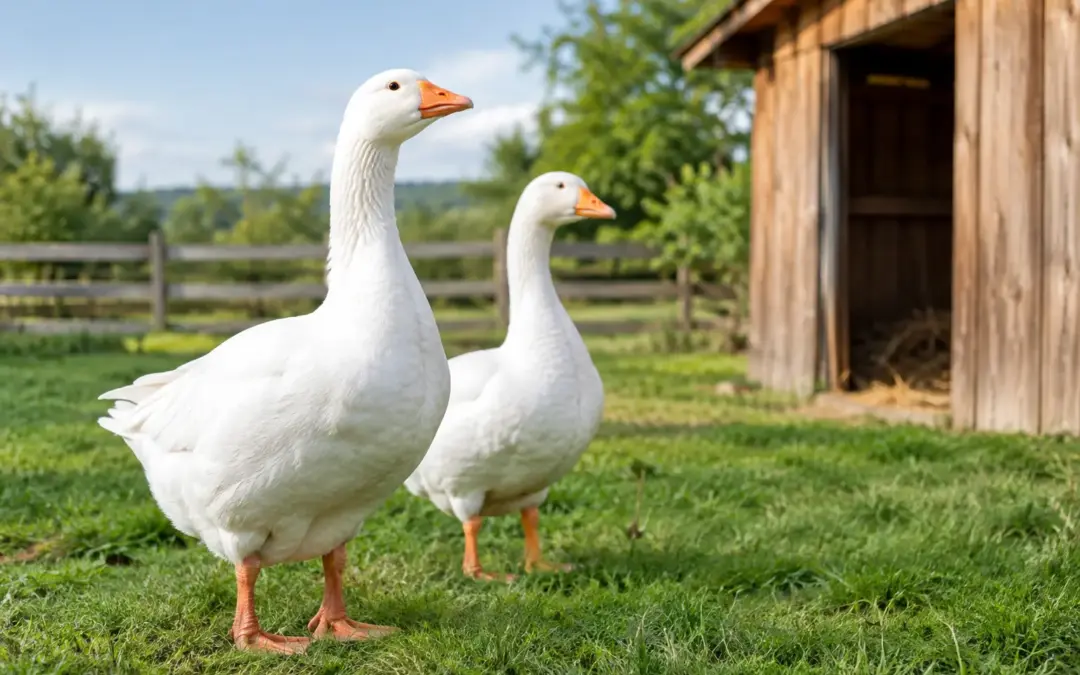
A pair of geese can turn a quiet holding into a properly lived-in place. They are watchful, vocal, characterful and exceptionally good grazers, but they are not oversized chickens. This guide to goose keeping is for prospective keepers who want to get the fundamentals right before bringing home birds that may be with them for 15 years or more.
Geese reward space, routine and sensible stock choices. Get those three things right and they are often straightforward keepers. Get them wrong and the mud, noise, waste and territorial behaviour soon become more than a novelty.
Is goose keeping right for your setup?
Start with the realities rather than the romance. Geese need grazing, clean water deep enough to submerge their heads, secure night accommodation and company of their own kind. A lone goose is rarely a good idea. A bonded pair is a sensible starting point for many smallholders, while a gander with two or three geese can work well where breeding is the aim and there is enough room.
They are vocal, particularly when something unfamiliar arrives, and a gander can be very protective in spring. That makes geese useful alarm birds, but it also means boundaries and neighbours deserve proper consideration. A quiet rural plot is not automatically suitable if birds will be close to a public footpath, shared drive or neighbouring garden.
Breed choice matters. Light breeds tend to be more active and can fly or clear low fencing more readily. Heavy breeds are generally calmer on the ground and valued for table birds, but need sound leg and foot management. Heritage and traditional breeds bring their own strengths, whether that is hardiness, laying ability, carriage or breeding type. Choose birds for the job you actually have in mind, not simply for the photograph.
Housing geese: dry, secure and un-fussy
Geese do not need an elaborate house, but they do need one that stays dry. A simple, well-ventilated shelter with a solid roof, deep clean bedding and a predator-proof door is far more useful than a cramped ornamental coop. They produce a surprising amount of moisture and manure, so fresh air without a direct draught at bird level is the balance to aim for.
Allow enough floor space for every bird to lie down comfortably without crowding. The exact allowance depends on breed size, whether they are shut in only overnight, and how wet the season has been. Bigger birds and longer periods indoors call for more room, not tighter management.
Set the house on well-drained ground and keep the entrance from becoming a churned-up puddle. Straw is a common bedding choice, but it must be changed before it becomes damp and sour. A firm apron of gravel, woodchip or another suitable surface around the doorway can make winter management much easier.
Fox security is non-negotiable. Shut birds in at dusk where local risk calls for it, use strong mesh rather than lightweight poultry netting around vulnerable areas, and inspect catches regularly. Geese are formidable when awake and together, but they are not invulnerable.
Fencing and grazing space
Good grass is the foundation of economical goose keeping. Mature birds will take a substantial part of their diet from pasture in the growing season, but a small lawn will quickly be grazed down and fouled. Rotating birds between paddocks protects the sward, reduces mud and gives you a cleaner place to rest ground.
There is no single acreage rule that suits every holding. Soil, rainfall, flock size, breed and whether geese share ground with other stock all change the answer. The useful test is practical: if grass cannot recover, water areas are permanently foul, or birds are relying heavily on bought feed through summer, they need more ground or a better rotation.
Fencing should be visible, taut and suited to the birds. Heavy geese may respect a modest fence where there is good grazing on their side; lighter, more athletic breeds may not. Never assume wings are irrelevant simply because a bird looks substantial.
Feeding geese without creating problems
Grass is valuable, not a complete plan. Offer a balanced feed appropriate to the birds’ age and purpose, particularly when pasture is poor, during cold weather, while growing youngsters are developing, and through the breeding season. Keep feed dry and off the ground where possible, as geese are experts at turning a feeder into a wet mess.
Fresh drinking water must always be available. It needs to be deep enough for them to wash their bills and nostrils properly, which helps keep their eyes and faces clean. A pond is welcome but not essential. If you do provide one, accept that it will need management: geese foul water quickly, and muddy margins soon need attention.
Avoid treating geese as a disposal route for kitchen scraps. Bread and large quantities of rich leftovers add little value and encourage poor feeding habits. Do provide insoluble grit where birds do not have natural access to it, and make sure young birds have feed formulated safely for waterfowl. The wrong starter feed can cause avoidable growth and health problems.
Watch body condition rather than feeding by habit. A bird carrying too much weight is more likely to struggle with fertility, legs and feet. Conversely, a goose losing condition while apparently eating well may be competing in the flock, dealing with parasites, or facing a problem that needs veterinary advice.
A guide to goose keeping through the breeding season
Breeding geese are seasonal and they set their own pace. Most lay in late winter and spring, though timing varies by breed, weather and individual bird. A settled breeding group, good nutrition and a quiet nesting area matter more than repeatedly interfering with the nest.
Provide sheltered nest sites with plenty of clean, dry bedding before laying begins. Some geese want privacy; others will nest in a place that makes no sense to anyone but them. Once a preferred site is established, avoid moving it unless there is a clear welfare or safety reason.
If you are buying breeding stock, ask direct questions. Find out the birds’ age, breeding history, parentage, hatch dates, whether they have been kept with unrelated lines, and how they have performed. Look for clear eyes, sound feet, clean plumage, a confident gait and birds that fit the stated breed type. Quality stock starts with honest breeder information, not a vague label.
A specialist marketplace such as Hatch & Hive gives keepers a more focused place to speak with breeders and assess what is being offered. Still do your own checks. Ask for current photographs or video, clarify collection arrangements, and do not be rushed into taking unsuitable birds because they are nearby.
Raising goslings
Goslings grow quickly and need clean, dry footing, safe heat when they are young, a suitable waterfowl ration and water they cannot climb into and chill themselves in. They should be able to drink and rinse their bills, but their waterer must not create a drowning or soaking risk in the brooder.
Wet bedding is the enemy. Replace it promptly, especially around drinkers, and give growing birds access to safe outdoor grazing as weather allows. If adults are raising their own young, they can be excellent parents, but monitor the family closely around other poultry, livestock, deep water and predators.
Health checks that save trouble later
Spend a few minutes observing the flock every day. Healthy geese are alert, mobile and interested in food, with clean nostrils and eyes. A bird standing apart, limping, sitting excessively, breathing noisily or showing a marked change in droppings deserves a closer look.
Feet are worth checking regularly, especially in heavy breeds and during wet months. Mud, sharp ground, overgrown nails and poor housing surfaces can all lead to trouble. Keep handling calm and purposeful. Geese remember rough treatment, while birds accustomed to quiet routine are far easier to inspect and move.
Quarantine new arrivals away from your established flock for a meaningful period, ideally around 30 days where facilities allow. Use separate footwear and equipment if possible, and observe birds before mixing them. It is a simple discipline that protects birds you already know are healthy.
Veterinary help should come from someone prepared to work with poultry and waterfowl. Do not wait for a seriously unwell bird to improve because geese are often stoic until they are not. Keep basic records of purchases, hatch dates, treatments, losses and breeding outcomes. Over time, those notes tell you far more about your flock than memory ever will.
The best goose keepers are not the ones with the most birds. They are the ones with dry ground, sound stock, a watchful eye and enough room for every goose to behave like a goose.