
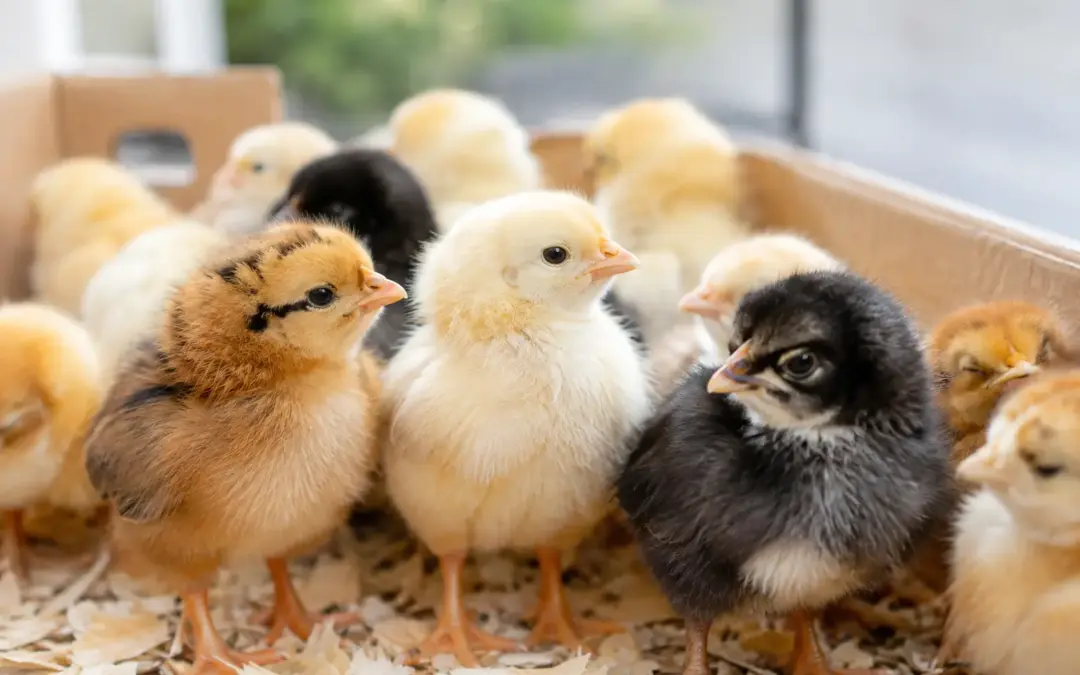
A box of day-old chicks is not a casual purchase. By the time they arrive, the brooder must be warm, the drinker must be safe, and you need to know exactly what has been bred, hatched and offered for sale. If you want to buy day old chicks UK keepers can have confidence in, the right breeder and a proper conversation matter as much as the birds themselves.
The best chicks are not simply the closest available or the cheapest advert on a general marketplace. They come from people who can speak clearly about parent stock, hatch dates, breed type, sexing, health routines and collection arrangements. That is the difference between acquiring birds and starting a flock well.
Buy day old chicks UK breeders have raised properly
A day-old chick should be alert, bright-eyed and properly dried, with clean fluff and a neat, healed navel. It should stand well, move freely and show an interest in its surroundings. A quiet chick after travelling is not automatically a concern, but dullness, pasted vents, laboured breathing or obvious weakness should never be brushed aside.
Good breeders will not object to sensible questions. In fact, serious breeders expect them. Ask when the chicks hatched, whether they are from pure or hybrid lines, and what the parent birds are like for health, temperament and breed standard. If you are buying a heritage breed, ask whether the birds are bred with a clear understanding of type rather than simply labelled with a fashionable name.
Sex is another point where straight answers count. Some chicks can be sexed reliably at hatch, while others can only be sold as unsexed or sexed with a stated margin for error. Do not assume that ‘pullets’ means a cast-iron guarantee unless the seller explains the method used. A breeder who is open about this is usually protecting both their reputation and your expectations.
Vaccination should be discussed plainly too. It is not a badge to collect or a substitute for good husbandry. Ask what, if anything, has been administered, at what stage, and whether it suits the flock you intend to keep. The right answer depends on your location, your existing birds and your keeping system.
Choose the right chicks for your setup
Before contacting a seller, decide what you are actually trying to breed or keep. A novice keeper wanting dependable eggs has different priorities from someone building a breeding pen of Barnevelders, rearing table birds, or keeping a small group of bantams for the garden.
Large fowl need more room, more substantial housing and fencing that reflects their strength and flight ability. Bantams may suit a smaller plot, but they are not automatically easier. Some are excellent broodies, some are lively flyers, and some need more protection from wet ground or larger flockmates. Rare breeds can be hugely rewarding, but availability may be seasonal and the strongest lines are often booked before hatch.
Hybrids are often chosen for laying performance and can be a practical choice for an egg-focused household. Pure breeds offer their own appeal: predictable breed character, the chance to breed true, and the satisfaction of keeping established bloodlines going. Neither route is automatically better. The sensible choice is the one that fits your space, experience and aims over the next few years.
Consider the cockerel question before you buy. Unsexed chicks can be excellent value and give you access to breeds that are not offered as sexed stock, but there may be males in the group. If local restrictions, neighbours or flock plans make cockerels impossible, pay for accurately sexed pullets where available and understand the seller’s terms if a mistake occurs.
Questions worth asking before you commit
A clear listing is a good start, but a breeder who knows their stock should be able to answer a few practical questions without vagueness. Confirm the hatch date and the minimum collection age, then ask what feed the chicks have been started on so you can avoid an abrupt change. Find out whether they have been reared indoors, under a broody hen, or in another system, particularly if you are buying for a specific breeding project.
It is also worth asking how the chicks have been handled and whether the seller has noticed any recurring weaknesses in the line. No responsible breeder can promise that every bird will thrive forever. Living stock carries risk. What you are looking for is honest knowledge, sensible management and a seller who does not make extravagant claims.
Photographs of the parent birds can tell you more than a stock image ever will. Look for birds that appear well-feathered, active and appropriate to their breed. For breeding-quality stock, ask about the breeding group rather than judging on a single handsome cock bird. A strong flock is built through consistent selection, not one good photograph.
When arranging collection or delivery, keep welfare at the centre of the plan. Chicks need to get settled promptly into a prepared brooder, not spend hours while you pick up feed, bedding and equipment. Agree the arrangement in advance, check the timing, and make sure you can travel directly home.
Prepare the brooder before chicks arrive
The biggest avoidable mistake is bringing chicks home to a brooder that is still being assembled. Set it up early enough to test the heat source, check that bedding is dry and make sure there are no draughts at chick level. The chicks need a warm area and enough space to move away from the heat when they choose.
Watch their behaviour rather than trusting one thermometer reading alone. Chicks packed tightly beneath the heat source may be cold. Chicks spreading far away from it, panting or looking distressed may be too hot. Contented chicks move about, eat, drink and rest in a loose, comfortable group.
Use a shallow, chick-safe drinker. Day-olds can chill quickly if they become wet, and open containers create an unnecessary risk. Put feed and water within easy reach from the moment they are introduced. Starter crumb is the usual practical choice, and fresh water should always be available.
Keep the first few days calm. Handle only when necessary, keep pets away, and avoid introducing chicks directly to older poultry. Mature birds can injure youngsters, while mixing ages also makes disease control more difficult. A separate, clean rearing space gives you time to observe eating, drinking and droppings properly.
Avoid the shortcuts that cause trouble later
Cheap chicks with no useful background can become expensive birds. You may not know their age, sex, parentage, vaccination history or whether they have been raised in suitable conditions. That uncertainty is particularly costly when you are trying to establish a breed, match birds to an existing flock or protect valuable stock.
Equally, do not buy more chicks than you can house once they are fully feathered. A dozen fluffy chicks look modest in a brooder. In a few months, they need proper perch space, weatherproof accommodation, secure runs and a clear plan for any surplus males. Think ahead to adult birds, not just the first charming week.
Be wary of labels that sound impressive but offer no detail. ‘Rare’, ‘show quality’ and ‘purebred’ should lead to a conversation about breeding, not replace one. There is nothing wrong with buying birds simply because you like them, but you should know whether you are purchasing pet-quality youngsters, productive layers, or stock selected for a serious breeding programme.
Find breeders who take poultry seriously
A specialist marketplace makes the search more useful because the conversation starts in the right place. Rather than sorting through unrelated adverts, you can look for breeders who understand the difference between a useful layer, a correct breed specimen and a promising youngster from proven parentage.
On Hatch & Hive, use the listing details as a starting point, then connect directly with the seller. Ask the questions that matter to your flock, be upfront about your experience and collection plans, and take time to assess whether the birds suit your purpose. Serious breeders tend to value serious buyers.
The right chicks will not always be available this weekend, in your preferred colour, at the lowest price and within ten minutes of home. Waiting for a well-reared hatch from a breeder who knows their birds is often the better decision. Set the brooder, ask proper questions, and buy stock you will be proud to watch grow.