
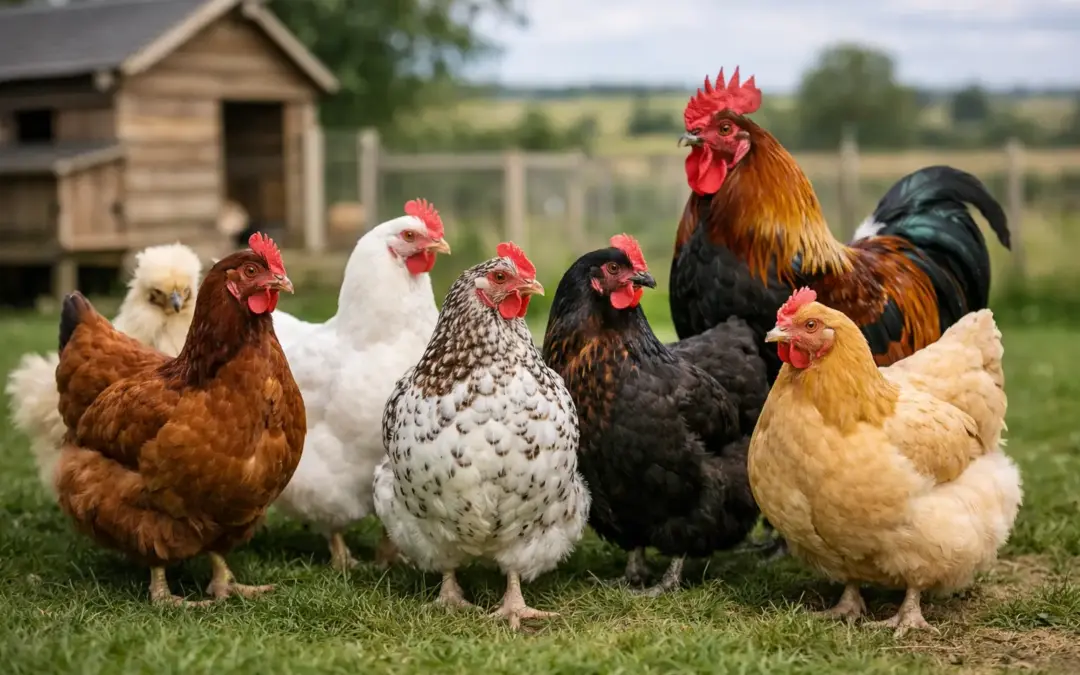
A first flock can look deceptively simple: buy a coop, bring home a few hens, collect eggs. In practice, the best chicken breeds for beginners are the ones that suit your space, your routine and the sort of keeper you intend to become. A calm bird that lays steadily and copes well with British weather will usually teach you more than an eye-catching rare breed that needs careful management.
Start with hens from sound, established stock. Ask direct questions about age, health history, temperament, feed and whether the birds have been handled regularly. Good breeders expect those questions. They are part of buying properly, not making a fuss.
What makes the best chicken breeds for beginners?
For most new keepers, the right breed is hardy, steady around people and neither excessively flighty nor prone to going broody at every opportunity. Reliable laying matters, but it is not the only consideration. A hen that produces fewer eggs yet is easy to inspect, settle into a run and manage around children can be the better choice.
Think honestly about your set-up. Heavy large fowl tend to be placid but need more floor space and sturdier perches. Bantams take up less room and can be full of character, although some are surprisingly capable flyers and their smaller eggs may not suit every household. If your garden neighbours are close, avoid assuming any chicken will be silent. Hens chat, announce an egg and can become noisy when unsettled. Cockerels are a separate question altogether and rarely make sense for a first suburban flock.
A small group of three to five compatible hens is usually easier to manage than adding single birds over time. Chickens are social, but introductions can be rough. Buying birds of a similar age from the same breeder gives your flock the cleanest start.
10 breeds worth considering
1. Rhode Island Red
Rhode Island Reds are a classic first-flock choice for good reason. They are hardy, productive and generally confident birds, producing a respectable number of brown eggs across the year when properly fed and housed. Their useful, no-nonsense nature suits keepers who want dependable hens rather than a purely ornamental flock.
Temperament varies by breeding line, however. Some can be assertive, especially in mixed flocks, so ask the breeder how their birds behave. Choose well-handled hens rather than buying solely on the breed name.
2. Sussex
The Sussex is one of Britain’s most useful traditional breeds. Light Sussex are particularly popular, with their white plumage and black markings, while Speckled Sussex bring a rich mahogany look to the garden. Both are commonly valued for their calm manner, good table-bird heritage and reliable egg laying.
They are larger hens, so give them adequate coop space and broad perches. For a family flock with room to roam, they are often an excellent fit.
3. Plymouth Rock
Barred Plymouth Rocks have a practical combination of friendly character, hardiness and decent egg production. Their barred black-and-white feathers make them easy to recognise, which is handy when you are learning to monitor individual birds for weight, comb colour or changes in behaviour.
They are usually relaxed around people and cope well in a mixed backyard flock. Like any larger dual-purpose breed, they appreciate enough room and a dry, well-ventilated house rather than a cramped novelty coop.
4. Australorp
Australorps have a reputation for quiet, gentle temperaments and strong laying performance. Their glossy black plumage can show green in the sun, giving a flock real presence without needing an exotic or difficult breed.
They tend to suit keepers who want a dependable layer with a calmer disposition. As with all dark-feathered birds, a quick health check can take a little more care because pests and skin condition are not always as visible at first glance.
5. Buff Orpington
Few breeds win over new keepers as quickly as the Buff Orpington. Large, soft-feathered and generally docile, they are a favourite where character matters as much as egg baskets. Their buff colouring is instantly recognisable, and many birds become very tame with regular, sensible handling.
The trade-off is that their abundant feathering needs attention in wet weather and around the vent. They can also be inclined to broodiness, which is useful if you hope to hatch chicks later but frustrating if you simply want consistent laying hens.
6. Welsummer
Welsummers are alert, attractive birds known for their rich brown eggs, often with a distinctive speckled finish. They are generally hardy and active without being as frantic as some lighter Mediterranean breeds.
They enjoy scratching and foraging, so they are best appreciated where the run has space, cover and interesting ground to work over. A Welsummer can suit a beginner well, but a very small, bare enclosure will not show the breed at its best.
7. Marans
Marans are sought after for their dark brown eggs and handsome appearance. Black Copper Marans in particular have a strong following, though colour, feathering and egg shade can vary considerably between lines. That variation is precisely why buying from a breeder who knows their stock matters.
Most Marans are manageable, hardy hens, but do not buy them expecting every egg to be a deep chocolate colour every day. Egg colour changes through a laying cycle and differs from bird to bird. Buy healthy, well-bred poultry first; treat exceptionally dark eggs as a welcome bonus.
8. Wyandotte
Wyandottes are round-bodied, attractive birds available in several colours and patterns. They are often calm, cold-hardy and well suited to a properly managed garden flock. Their rose combs can be an advantage in colder areas, as there is less exposed comb tissue than on birds with large single combs.
Because they are substantial birds, they need solid housing and enough feeder space to avoid bullying at mealtimes. They can also be more reserved than the stereotypically cuddly hen, so judge the individual birds rather than expecting instant lap chickens.
9. Pekin bantams
For keepers drawn to bantams, Pekins are a sensible place to start. They are compact, friendly-looking birds with feathered feet and an enormous amount of personality for their size. They can be particularly rewarding where space is limited, provided the housing is secure and dry.
Their foot feathering is their weak point in muddy conditions. Wet, dirty feathers can lead to problems if neglected, so Pekins are not the right choice for a permanently sodden run. Keep the ground well drained and be prepared for regular checks.
10. Hybrid laying hens
A beginner does not have to start with a recognised pure breed. Purpose-bred hybrid layers are often the most straightforward route to a productive first flock. They are commonly friendly, efficient layers and available in a wide range of feather colours.
The compromise is predictability beyond the first few seasons. Hybrids are bred for laying output rather than preservation of a historic breed standard, and some may have a shorter productive lifespan than a carefully selected traditional breed. For households focused on eggs, though, they are a thoroughly practical option.
Breed matters, but the individual bird matters more
The calmest breed can include a pushy hen, and a supposedly flighty breed can produce a remarkably settled bird. Health, rearing conditions and flock management shape behaviour as much as a label on a listing. When choosing birds, look for bright eyes, clean nostrils, a tidy vent, smooth movement and an alert but not panicked response to people.
Avoid rushing into purchases from unclear sources. You should know whether birds are point-of-lay pullets, mature hens or youngsters not yet ready to lay. Ask what they eat, whether they have been vaccinated, how they have been housed and whether they are used to free-ranging, a covered run or both. If you are collecting birds, take suitable carriers and travel them home calmly and directly.
For hatching eggs, be even more realistic. Hatching can be brilliant, but it brings uncertainty around fertility, hatch rates, sexing and the future of any cockerels. It is a project for a prepared keeper, not the only way to begin.
Set the flock up properly before collection
No breed thrives in a damp, overcrowded coop. Have the run fox-proofed, the house ventilated without drafts, bedding ready and feed available before birds arrive. Quarantine is sensible whenever you are adding stock to an existing flock, and new keepers should build the habit early rather than learning after a health issue appears.
Use a specialist marketplace such as Hatch & Hive to connect with breeders who can answer breed-specific questions, not merely hand over birds at the gate. Quality stock, honest communication and a keeper who knows the line are worth more than a bargain price.
Your first hens do not need to be rare, fashionable or perfect. Choose birds you can house well, observe closely and enjoy looking after every day. The right flock will give you eggs, certainly, but it will also give you the confidence to keep better poultry for years to come.