
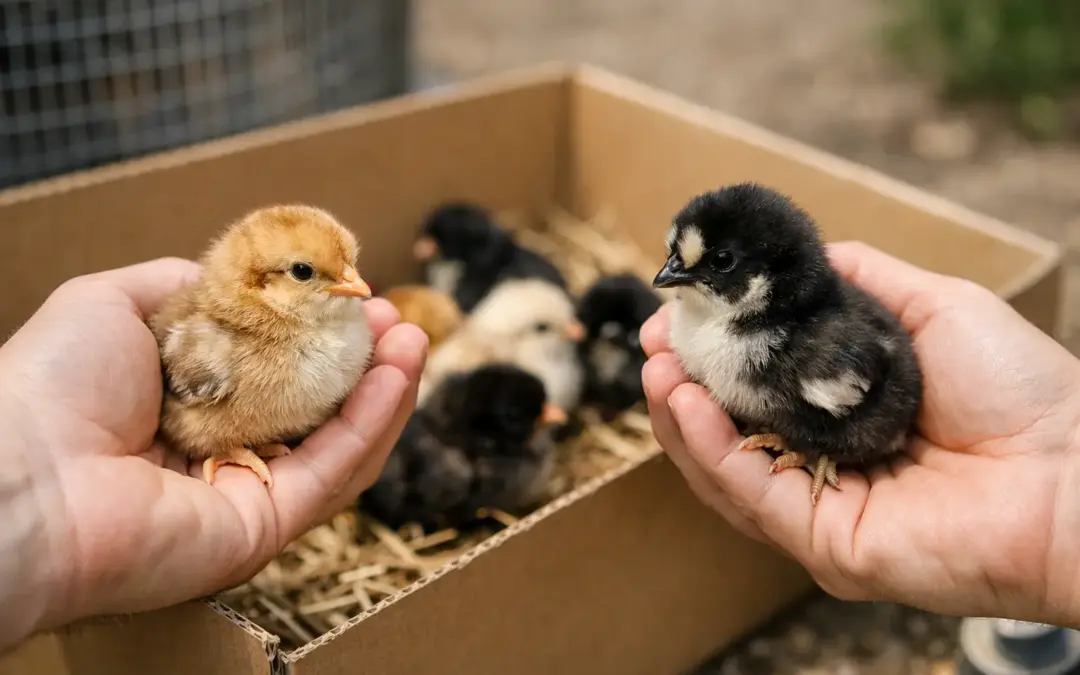
A bargain box of bantam chicks can turn expensive very quickly if the birds arrive weak, mis-sexed, poorly started or carrying problems into your brooder. If you want to know how to buy bantam chicks safely, the job starts well before money changes hands. Good buying is mostly about judging the breeder, the setup and the information behind the chicks.
Bantams attract buyers for all sorts of reasons. Some keepers want a tidy backyard flock with less feed use and less space required. Others are after proper breed type, exhibition potential or a rare line they have struggled to source. Those are very different buying goals, and they should shape the questions you ask.
How to buy bantam chicks safely starts with the breeder
The safest purchase usually comes from a breeder who can tell you exactly what they are breeding, how they rear chicks and what they expect from the birds at maturity. Vague answers are rarely a good sign. If someone cannot tell you the age of the chicks, parent stock details, hatch date or whether the strain breeds true, you are buying blind.
A serious breeder does not need to sound polished. They do need to sound informed. You want someone who understands their own birds, can discuss temperament, typical adult size, likely laying performance and any breed-specific quirks. With bantams, that matters. Some varieties are hardy and straightforward. Others are more delicate, slower feathering or less suitable for a novice setup.
Photos help, but context matters more than polished pictures. Ask what the chicks are being fed, whether they were incubator-hatched or hen-reared, what bedding they are on, and whether they have had any losses in the brood. A breeder who keeps clear records and gives direct answers is usually easier to trust than one relying on sales patter.
Know what a healthy bantam chick looks like
At collection or before agreeing to delivery, ask for recent images or video of the actual chicks if possible. Healthy bantam chicks should be active, alert and evenly steady on their feet. Their eyes should be bright, vents clean and down reasonably dry and fluffy. They should not be huddled from weakness, gasping, sneezing constantly or showing pasted vents.
Because bantams are small, people sometimes excuse poor thrift as simply being “tiny”. That is a mistake. A good bantam chick can still be small and properly vigorous. You are looking for liveliness, good balance and a clean start, not just size.
If you are collecting in person, look at the environment as well as the chick. Dirty drinkers, stale feed, overcrowded brooders and obvious temperature stress tell you more than the advert did. One weak chick in a group may be bad luck. A whole batch looking dull is a management problem.
Ask the questions that reveal real standards
You do not need a long checklist for the sake of it, but there are a few questions that separate knowledgeable breeders from casual sellers. Ask the hatch date, the exact breed or cross, whether they are straight run or sexed, what feed they are on, and whether the parents are from closed or mixed lines.
If they are sold as a named breed, ask whether the parents conform well to type and whether the line has known issues. That is especially relevant if you are buying for future breeding rather than simply for pets. Breed integrity matters, and serious keepers know the difference between a proper bantam line and something merely labelled for convenience.
Also ask what age the chicks can leave the breeder. Very young chicks are more vulnerable in transit and less forgiving of mistakes at home. Buying slightly older, well-started chicks can cost more, but it often reduces risk, especially for new keepers.
Be realistic about sexing, breed purity and promises
A lot of trouble starts when buyers assume certainty where there is none. Many bantam chicks cannot be accurately sexed at a very young age unless they are from sex-linked crosses or the breeder has a proven method for that specific strain. If a seller guarantees pullets from day-old chicks without a clear reason, be cautious.
The same applies to breed purity. Some bantams are easy to identify early. Others are not. Feather colour can shift as the bird matures, and type takes time to show. If your goal is exhibition stock or future breeding birds, buy from someone whose parent birds you can see or whose breeding aims are clearly explained.
This is where specialist marketplaces earn their keep. A focused poultry platform such as Hatch & Hive gives buyers a better chance of dealing with people who know their lines, list accurately and understand the standards serious keepers care about.
Transport is part of how to buy bantam chicks safely
Even strong chicks can be set back by poor transport. If you are collecting, make the journey short, warm and calm. Use a secure travel box with bedding that gives grip but does not create dust. Do not leave chicks in a cold car while you “just pop in” somewhere. They are small, and they chill quickly.
If delivery is involved, ask exactly how it will be handled. Timing matters. Packaging matters. So does the age of the chicks at dispatch. There is no single right answer, because much depends on weather, distance and the seller’s experience, but you should never feel that transport arrangements are vague or improvised.
For some buyers, collection is the safer choice because it lets you assess the birds and minimise travel stress. For others, a carefully organised delivery from an experienced breeder is perfectly workable. The point is to judge the process, not just the convenience.
Prepare before the chicks arrive
Buying safely does not stop with choosing the right seller. A well-bred chick can still fail in a poor setup. Before collection day, have the brooder running and tested. Check temperature at chick level, not just near the lamp. Make sure feeders and drinkers are small enough for bantams to use comfortably and safe enough to prevent soaking.
Bantam chicks can be more vulnerable to chilling and bullying than larger breeds, especially if mixed with stronger or older birds. Keep them in an age-matched group and avoid adding them to a setup where they have to compete from day one.
Feed matters too. Sudden changes can unsettle young chicks, so start with the same crumb they were already on if possible. Any transition should be gradual. That small bit of continuity can save a lot of avoidable stress.
Red flags worth walking away from
Some sales are not worth rescuing. Walk away if the breeder refuses basic questions, cannot confirm the hatch date, uses poor photos to hide current condition or seems more interested in quick payment than proper placement. The same goes for sellers offering multiple “rare” bantam breeds with little detail, no parent stock information and no clear rearing standards.
Be wary of pressure tactics. Good breeders are keen to place stock well. They do not usually rush serious buyers into snap decisions. If something feels off, there will be other chicks.
Price can be misleading as well. Very cheap chicks may reflect poor breeding, poor survival rates or careless sexing. Very expensive ones are not automatically better. The safer buy is the one backed by solid information, sensible husbandry and realistic claims.
Matching the chicks to your setup
Not every bantam is right for every keeper. Pekins, Dutch bantams, Old English Game bantams and Sebrights all bring different strengths and management needs. A beginner wanting calm garden birds may do well with one type and struggle with another. A breeder chasing specific colour genetics will judge the same advert very differently.
Be honest about your setup, time and intentions. If you need hardy young stock that can grow on easily, say so. If you are buying to improve a breeding pen, ask harder questions and expect more detail. Safe buying is partly about good stock, but it is also about fit.
Buying bantam chicks should feel like dealing within a proper community, not taking a gamble in the dark. Ask enough to know what you are bringing home, choose breeders who respect the birds as much as the sale, and give the chicks a steady start once they arrive. That is usually where the best flocks begin.