
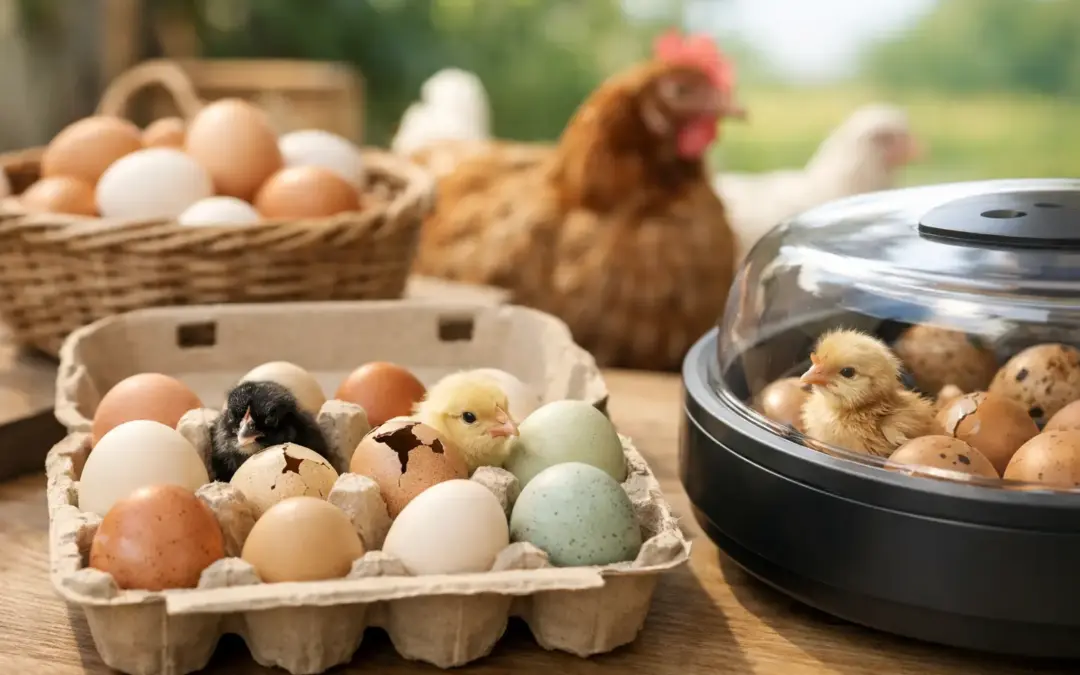
If you are asking where to buy hatching eggs UK keepers can rely on, the real question is not just where they are listed. It is where serious breeders actually sell, where breed details are clear, and where you can ask sensible questions before money changes hands. Good hatching eggs are not a casual purchase. Fertility, handling, freshness and breeder standards all matter, and weak sourcing usually shows up later in the incubator.
That is why experienced keepers tend to avoid noisy general marketplaces when they want eggs worth setting. A smart buy starts with the right seller.
Where to buy hatching eggs UK buyers can trust, www.hatchandhive.co.uk
There are still a few routes people use in the UK, but they are not equal.
General classifieds and social media groups are often the first place new buyers look. They are easy to find, but quality control is all over the place. You may see vague listings, poor photographs, no breeding information, no mention of flock health, and sellers who cannot answer basic questions about fertility rates or pen set-up. Sometimes there are genuine breeders there. Just as often, there is noise, guesswork and stock that would never stand up to proper scrutiny.
Breed clubs and local poultry circles can be useful, especially if you are chasing something rare or trying to source from a known line. The downside is speed and availability. Not every breeder lists regularly, and many rely on word of mouth. If you are new to the community, it can take time to work out who actually breeds to a standard and who is simply hatching whatever is in the run.
Specialist marketplaces are usually the strongest option because they bring the right buyers and sellers into one place. That matters more than people think. A breeder who is listing in a specialist environment expects informed questions. A buyer browsing there is usually looking for quality stock, not just the cheapest dozen posted first class. That changes the standard of the whole transaction.
For that reason, dedicated poultry marketplaces are often the best answer to where to buy hatching eggs UK wide, especially if you want breed-focused stock without trawling through unrelated listings.
What a good hatching egg seller looks like
A proper seller does not need flashy wording. They need clear information.
Start with how they describe the birds. You want to know the breed, strain if relevant, colour variety, and whether the eggs come from a breeding pen or a mixed laying flock. That single point tells you a lot. If someone cannot explain the parent stock properly, you are already buying blind.
Freshness matters as well. Hatching eggs are not like table eggs. The closer they are to being laid and dispatched, the better your odds tend to be, though even then there are no guarantees. A decent breeder will usually explain dispatch days, storage conditions before posting, and how quickly eggs are turned around.
Packaging is another easy tell. Serious sellers understand that posting eggs is always a compromise. Even fertile, well-bred eggs can be ruined by poor packing or rough handling in transit. If a seller is vague about how eggs are wrapped, cushioned and boxed, take that as a warning. The best breeders post enough eggs to know exactly what can go wrong.
Then there is communication. Ask a direct question and see what comes back. A good breeder will not promise impossible hatch rates, because they know too many variables sit outside their control. They will, however, be able to talk sensibly about fertility, flock age, feed, housing and what buyers can realistically expect.
The red flags buyers should not ignore
Most poor purchases are predictable in hindsight.
Be cautious with sellers using stock images, broad claims like “excellent hatch guaranteed”, or listings that tell you nothing about the birds themselves. Cheap prices can be tempting, but low-cost eggs from weak stock are often expensive by the time you have paid for incubation, electricity and your own time.
Watch for breed names used loosely. If you are buying for breeding rather than just for a home hatch, “similar to”, “type” or unclear colour descriptions should make you pause. Breed integrity matters if you want to keep a line straight.
Another red flag is no mention of posting risk. Honest breeders know that hatchability can drop after transit, even when eggs are fertile and fresh. Sellers who speak as though the post makes no difference are either inexperienced or saying what buyers want to hear.
Finally, trust your instinct if the conversation feels evasive. In this space, straightforward answers are usually a good sign. Evasion rarely improves after purchase.
How to choose the right eggs for your setup
Not every buyer is looking for the same thing, and that changes where you should buy.
If you are a backyard keeper hatching a small number at home, availability and straightforward breed information may matter more than chasing a named line. You still want healthy, well-kept parent stock, but you may be less concerned with exhibition traits or breeding history.
If you are a breeder, smallholder or serious enthusiast, the standard goes higher. You need to know what sits behind the eggs. Are the birds selected properly? Are they from a planned breeding group? Has the seller got a track record with the breed? A decent specialist seller will understand why those questions matter.
Rare and heritage breeds need even more care. Supply is naturally narrower, and good stock is not always listed in volume. In that case, patience usually pays. It is better to wait for eggs from the right breeder than rush into a poor batch from the wrong one.
Why specialist marketplaces work better
A specialist marketplace strips away most of the usual nonsense.
Instead of hunting through unrelated ads, you can browse within a community that already understands poultry, breed standards and breeding intent. That makes it easier to compare listings properly. You are not teaching the seller what fertility means or trying to work out whether “pure breed” actually means anything.
It also helps serious breeders. They are more likely to list where buyers understand what they are seeing and why better stock costs more. That creates a stronger market for quality birds and eggs, which benefits everyone worth dealing with.
For UK poultry keepers, that is the real answer to where to buy hatching eggs UK wide without wasting time – use a marketplace built for breeders and keepers rather than forcing a specialist purchase through a general selling site. Hatch & Hive sits firmly in that camp, with the focus where it should be: quality stock, direct contact and a community that takes this seriously.
Questions to ask before you buy
A short message before purchase can save you a failed hatch.
Ask when the eggs were laid and when they will be dispatched. Ask whether they are from a dedicated breeding pen. Ask how the eggs are packed and whether the flock is of breeding age and in active lay. If breed purity matters to you, ask directly about the parent birds.
You do not need to interrogate the seller, but you do need enough information to judge whether they know their birds. Strong breeders are usually happy to answer sensible questions. In fact, many prefer it, because informed buyers are less likely to expect miracles from posted eggs.
Buying posted eggs versus collecting
Collection is usually the safer option if the distance is workable. It removes one major source of damage and gives you more control over how the eggs travel home. If you are buying higher-value eggs or something rare, collection can be well worth the extra effort.
That said, posted eggs are a normal part of buying hatching eggs in the UK, and plenty hatch well. The key is realism. Postal handling, weather, delays and rough sorting can all affect outcomes. A breeder can do everything right and still lose hatchability in transit. Buyers who understand that tend to make better decisions and choose better sellers.
So if you are weighing up where to buy, do not just ask who has eggs available today. Ask who is breeding with intent, who explains their stock properly, and who treats hatching eggs as breeding stock rather than a quick side sale. Start there, and the odds improve before the incubator is even switched on.