
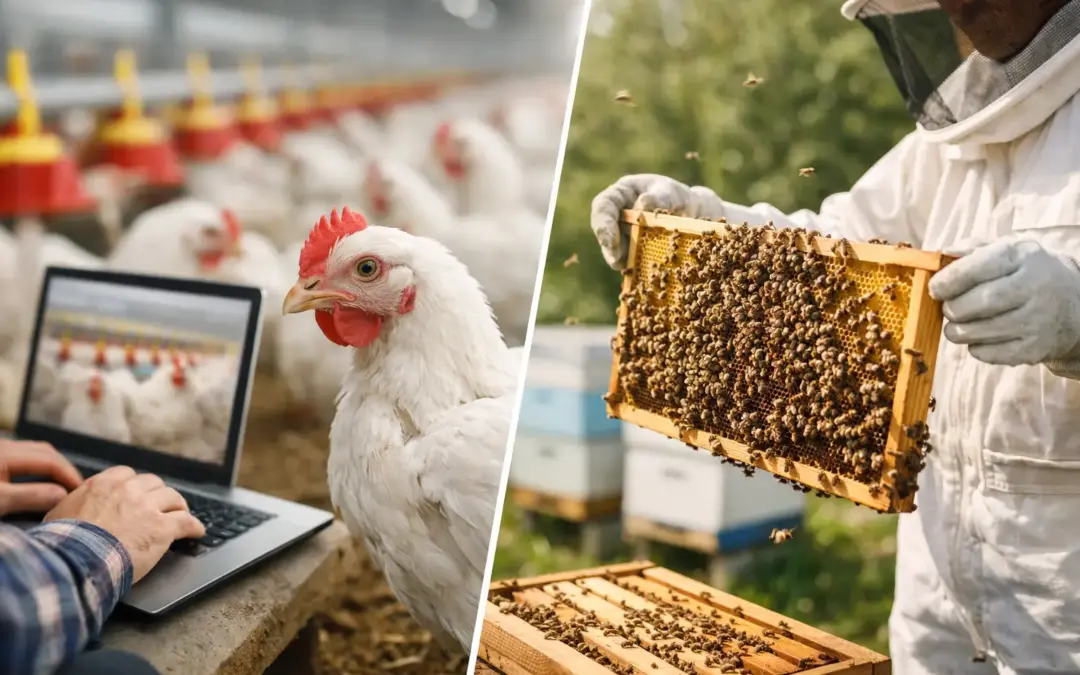
A pen can fill overnight. A clutch can hatch earlier than expected. A queen can be mated, marked and ready to go weeks before an old advert suggests. The importance of up-to-date listings for poultry and beekeeping is not a tidy admin point – it is what keeps buyers from wasting journeys and sellers from missing the right homes for their stock.
For serious keepers, availability is only part of the picture. The age, condition, breeding details, collection area and current status of a listing all shape whether a sale is suitable. Out-of-date adverts create noise. Clear, current listings create confidence.
Up-to-date listings for poultry and beekeeping build trust
Poultry and bees are not impulse purchases. A buyer looking for a particular bantam colour, a proven cockerel, fertile hatching eggs or a locally raised nuc is usually making a considered decision. They may be planning breeding pens, replacing a lost line, preparing a new apiary site or working around the season.
When an advert says stock is available but the birds were sold last month, the buyer loses time and the seller looks careless, even where that is not the case. The same applies when a listing shows chicks at a size they no longer are, or describes a nuc before the colony has been assessed for the current season.
Keeping listings current signals that the seller is present, organised and open to sensible questions. That matters on a specialist marketplace, where reputation is built one straightforward transaction at a time. Buyers are not simply looking for an item with a price attached. They want to know they are dealing with somebody who understands what they are selling.
Stock changes quickly, especially in season
Poultry availability can change by the hour during the busiest part of the year. Eggs are collected, incubators hatch, growers move on, and birds intended for sale may be retained when a breeding plan changes. A listing that was accurate on Monday may need attention by the weekend.
That does not mean sellers must constantly rewrite every advert. It does mean they should review active listings whenever stock is sold, reserved, held back or no longer ready to leave. A simple update such as “next hatch due mid-May” is far more useful than leaving a sold-out advert live with no explanation.
Beekeeping stock demands the same discipline, with a little more caution. Colony development depends on weather, forage, queen performance and inspection results. A nuc should not be advertised as ready merely because it was expected to be ready. Current information allows a seller to describe what is actually available: the number of frames, queen status, approximate collection timing and any sensible conditions attached to release.
There is a trade-off here. Updating too early can create enquiries for stock that is not genuinely ready; waiting too long can mean buyers have already gone elsewhere. The answer is not overpromising. It is stating the position plainly and changing it when circumstances change.
Accurate details protect welfare and breeding standards
A good listing helps ensure that stock goes to a keeper who is prepared for it. This is particularly relevant for birds that need more space, secure housing, flock companionship or experienced handling. The clearer the description, the better the conversation before collection.
For poultry, useful current details include age, sex where known, breed or cross, colour, health observations, vaccination status if applicable, whether birds are point of lay or established layers, and whether they are being sold as pairs, trios or individuals. For hatching eggs, freshness, collection arrangements, flock composition and the fact that fertility cannot be guaranteed are all worth setting out honestly.
For beekeeping listings, clarity should cover the type of stock, queen status, brood stage where relevant, collection window and whether the buyer needs suitable transport or equipment. Sellers should also be clear that purchasers must meet their own husbandry responsibilities and follow any relevant local disease-control requirements.
These details are not there to make an advert look technical. They filter out unsuitable enquiries and encourage the right ones. A breeder protecting a rare or heritage line has every reason to ask where birds are going, what flock they will join and whether the buyer understands the breed. A responsible beekeeper may need to know that a buyer has a prepared site and the basics in place before collection.
Better listings save everyone wasted time
The cost of a stale listing is rarely just one unanswered message. It can mean repeated calls about stock that has gone, buyers arranging collection before discovering the advert is old, and genuine enquiries buried under avoidable back-and-forth.
A current listing should answer the practical questions a serious buyer asks first: Is it still available? Where is collection from? When can it leave? What exactly is included? Is the price per bird, per dozen eggs, per pair or per colony? If collection is by appointment, say so.
Photos need the same attention. A picture of last year’s breeding cock may show the line well, but it should not imply that the exact bird remains for sale. Likewise, a photograph of a strong colony taken at peak season may not reflect the nuc currently being offered. Use recent images where possible, and label representative photographs honestly.
This level of housekeeping benefits sellers too. Someone who can see the location, price and availability before making contact is more likely to be a serious prospect. Fewer speculative messages leave more time for the conversations that matter – breeding background, housing, temperament, collection arrangements and aftercare.
Listings should reflect the real value of specialist stock
Generic classified spaces encourage vague adverts: “hens available”, “bees for sale”, “message for details”. That approach treats carefully bred stock as if all buyers need is a postcode and a price.
Specialist stock deserves more. If a bird comes from a selected line, carries a distinctive breed type or has been raised with particular attention to health and temperament, say so. If a queen has a known background, or a colony has been assessed for a specific purpose, describe that without making claims the stock cannot support.
The strongest listings balance pride with precision. They give enough information for a buyer to understand why the stock is worth their attention, without turning every advert into a sales pitch. Honest limitations are part of that precision. A breeder can say that sexing young birds is not guaranteed. A beekeeper can say that weather may alter a planned collection date. Straight answers build better long-term relationships than polished promises.
A simple routine keeps your adverts working
The easiest way to stay current is to make listing updates part of the normal keeping routine. After a hatch, an inspection, a sale or a change in breeding plans, take two minutes to check what is still live. Mark sold stock promptly, amend quantities, adjust collection dates and refresh photos if the stock has changed materially.
It is also worth reviewing listings at the start of each season. Winter housing, spring hatching, summer growers and autumn flock reductions all bring different buyer expectations. Beekeeping follows its own rhythm, and colony availability should never be copied forward from a previous year without a fresh assessment.
Hatch & Hive works best when listings reflect the standard of the people using it: knowledgeable keepers, clear information and stock represented properly. No noise, just quality stock and direct contact with people who understand the difference.
The next time you check waterers, feeders or brood frames, check your listings too. A current advert may be the reason the right keeper finds your stock at exactly the right moment.