
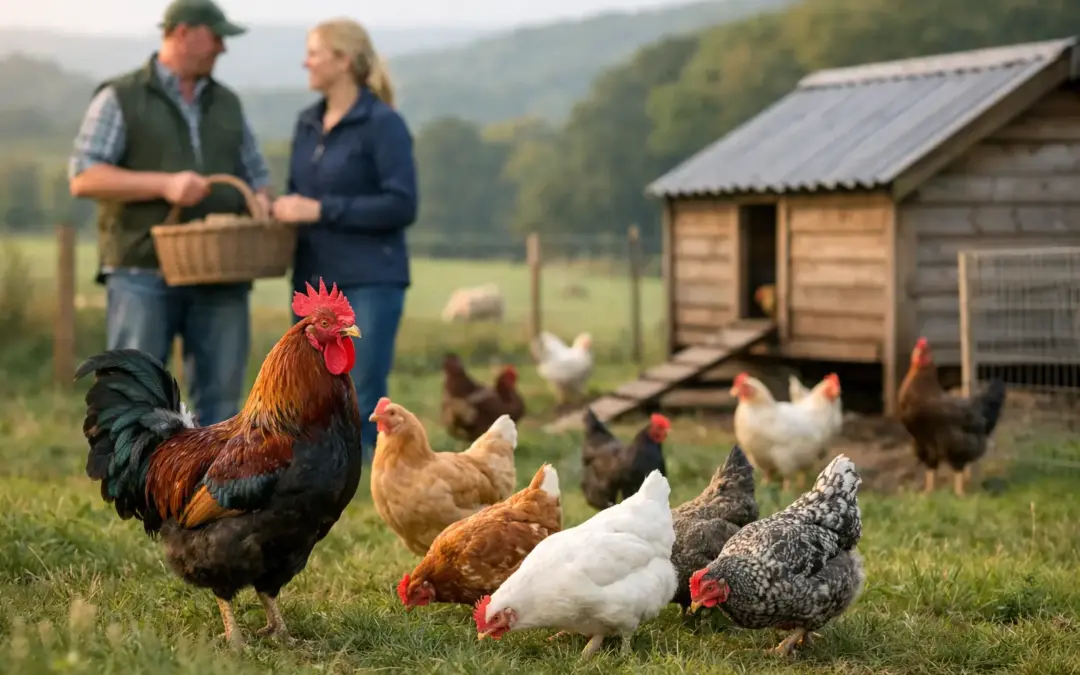
A good bird is not defined by a pretty photograph or a fashionable breed name. It shows in its condition, its temperament, the breeder’s records and the honesty of the conversation before money changes hands. For anyone searching for Powys poultry breeders, that is the standard worth holding to – whether you want a few steady layers for the garden, a trio of bantams, or birds to strengthen a serious breeding pen.
Powys has the space, rural knowledge and smallholding culture that make it a natural place to find well-kept poultry. But proximity alone does not guarantee quality. The right breeder should be able to talk plainly about their birds, their breeding aims and how their stock is raised. No noise, just sound birds and straight answers.
What to look for in Powys poultry breeders
Start with the breeder’s purpose. There is nothing wrong with breeding for attractive, productive backyard birds, exhibition standards or conservation of a heritage line. What matters is that the breeder knows which of those goals they are working towards and does not blur the difference. A bird sold as a pure breed should have a known, consistently bred background. A cross should be described as a cross, with both parent types clearly stated.
Ask how long they have kept the breed and what they select for. An experienced keeper may talk about egg colour, laying reliability, size, feather quality, vigour, temperament or adherence to the breed standard. Their answer need not be polished, but it should be specific. Vague claims about premium stock without detail are not much use when you are choosing breeding birds.
Condition matters more than presentation. Healthy poultry should be alert, bright-eyed and active without appearing stressed. Feathers should sit well, vents should be clean, and legs and feet should be free from obvious swelling, injury or heavy scale. A calm bird may simply be well handled, while a hunched, withdrawn bird deserves closer attention. Look at the whole group, not only the bird being offered for sale.
Housing tells its own story. You are not inspecting a show garden, but clean drinkers, sensible stocking levels, dry bedding and secure pens are signs that routine care is being taken seriously. Muddy ground can be unavoidable in a Welsh winter. Persistently filthy housing, poor access to water or birds crowded around empty feeders are different matters.
Records are part of good breeding
For hatching eggs and breeding stock, clear records add real value. A breeder should be able to tell you the age of the parent birds, the breeding group used and, where relevant, how they avoid close pairings. This is particularly useful with rare breeds and colour varieties, where careless mating can quickly lose the qualities buyers are trying to preserve.
You may not need a formal pedigree for every backyard hen. Yet knowing the hatch date, parentage and health history makes better decisions possible. It also gives you a useful starting point if problems arise after purchase. Good breeders do not treat questions as an inconvenience. They expect them.
Choose the right route: eggs, chicks or started birds
The best purchase depends on your experience, facilities and timescale. Hatching eggs can be a rewarding and affordable way to begin, especially if you have a reliable incubator and accept that hatch rates are never guaranteed. Collection is often preferable where practical, as eggs are delicate and travel can affect viability.
Chicks remove the uncertainty of incubation but bring immediate requirements. They need appropriate heat, clean water, chick feed and protection from draughts and predators. Sexed chicks can make flock planning easier, though buyers should still understand how sexing has been carried out and whether it is guaranteed.
Point-of-lay pullets suit keepers who want eggs sooner, but check what point of lay means in practice. It commonly describes birds approaching laying age, not a promise that eggs will arrive the following week. Seasonal light levels, moving home, diet and individual development all affect when a pullet starts.
Started growers or adult breeding birds give the clearest view of type and sex, which can be valuable when building a breeding pen. They are usually more expensive, and moving mature birds requires more careful quarantine planning. If you only have room for a small flock, buying fewer, better birds is often wiser than filling a coop with birds of uncertain background.
Questions worth asking before you buy
A sensible conversation protects both buyer and seller. Ask what the birds are fed, whether they have been vaccinated, when they were last wormed if applicable, and whether there have been recent health issues in the flock. There is no single answer that makes a flock automatically good or bad. Management approaches vary. The key is openness and a breeder who can explain their routine.
For eggs, ask when they were laid, how they have been stored and when collection is available. For chicks and birds, ask the exact hatch date or approximate age, whether they are fully feathered, and what feed they are currently on. A sudden change of diet after collection can cause unnecessary stress, so it is sensible to continue with the same ration at first before making any gradual change.
If you are buying a breeding trio or pair, clarify which birds are unrelated and whether they have been run together. If you want birds for a particular purpose, say so. A breeder can recommend their best layers, their most exhibition-minded line or a more docile choice for a family garden only if they understand what you need.
Protect your existing flock
The excitement of bringing home new stock should not override biosecurity. Every incoming bird carries some degree of uncertainty, even when bought from a conscientious breeder. Keep new arrivals apart from your resident flock for a sensible isolation period, with separate footwear, equipment and handwashing routine. Observe appetite, droppings, breathing and behaviour before integration.
Avoid collecting birds if you have recently had unexplained illness or losses at home. Equally, do not be offended if a breeder asks about your existing flock or declines a visit to their pens. Restricting access is often responsible biosecurity, not secrecy. Collection arrangements can be made without walking through every housing area.
Plan transport before collection day. Use a clean, secure crate with adequate ventilation, protect birds from extremes of temperature and travel directly home. Do not leave poultry in a parked vehicle while you run errands. Once home, give them a quiet, prepared space, fresh water and time to settle.
Rare breeds need more than a label
Powys keepers may come across Welsh Black chickens, traditional utility breeds, old English varieties and distinctive bantam lines. These birds can be a real asset to a flock, but rare does not automatically mean well bred. Ask what features the breeder is protecting and how they select future breeding birds. A good heritage breeder is usually as interested in the next generation as the sale in front of them.
If breed integrity matters to you, avoid impulse purchases based only on unusual colouring. Some colours are correctly recognised within a breed, while others are recent crosses or simply outside the accepted standard. Neither is inherently wrong, provided the listing is honest and the price reflects what is actually being offered.
Finding breeders who are worth returning to
The strongest breeder relationships are built over time. Start by choosing one or two birds or a small clutch of eggs, learn how that line performs on your ground, and keep your own notes. If the birds arrive in good condition, match the description and the breeder remains helpful after collection, you have found someone worth dealing with again.
Specialist marketplaces such as Hatch & Hive give breeders and buyers a more focused place to compare stock, ask informed questions and list birds with the detail they deserve. That matters when you are looking beyond a quick purchase and towards a dependable flock.
Take your time, ask the questions that matter and prepare before you collect. The best Powys poultry breeders will welcome a buyer who cares where their birds come from – because that is how good lines, good welfare and good local poultry communities endure.