
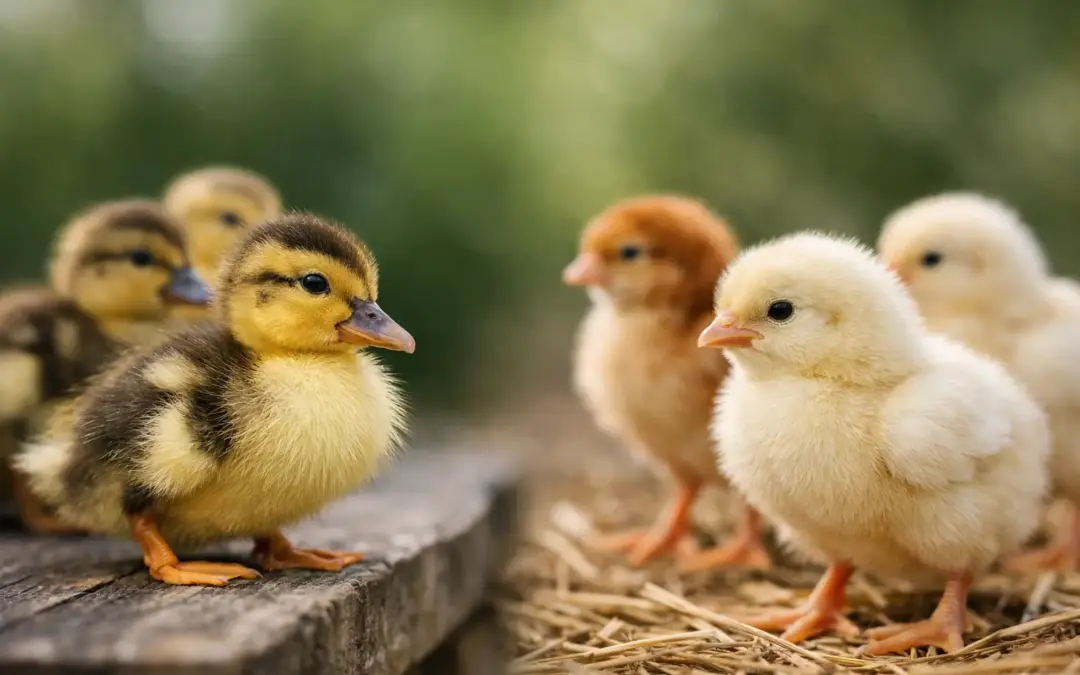
A brooder full of chicks is noisy. A brooder full of ducklings is noisy, wet and determined to turn every clean corner into a puddle. That single difference tells you a great deal about ducklings vs chicks for beginners. Both can become rewarding additions to a garden flock or smallholding, but they ask for different housing, routines and levels of tolerance for mess.
The right choice is not about which is cuter at a few days old. It is about the birds you can keep well once the novelty has worn off. Start with your available space, your plans for eggs or breeding, and the time you can give to cleaning and observing stock every day.
Ducklings vs chicks for beginners: the short answer
For most first-time keepers, chicks are the easier starting point. They are simpler to brood, easier to source in a wide range of breeds, and generally less demanding when it comes to bedding, water management and housing. A small flock of hens can settle into a well-built coop and run without turning the whole set-up upside down.
Ducklings suit beginners who have space, secure ground and a realistic approach to water and mud. Ducks are often hardy, full of character and excellent layers depending on breed, but their early weeks require more active housekeeping. They drink constantly, splash constantly and need drinking water deep enough to clear their nostrils and eyes.
Neither species should be bought on a whim or as a child’s short-term project. They are social livestock. Plan to keep a suitable group, provide protection from predators, and have a clear home ready before collecting them.
What changes in the brooder
Chicks need steady warmth, dry bedding, a chick-safe drinker and starter feed. Their brooder needs checking several times a day, particularly in the first week, but it can remain comparatively clean if it is correctly sized and the drinker is kept stable. Their behaviour will tell you whether the heat is right: huddling suggests they are cold, while birds spread well away from the heat source may be too warm.
Ducklings need the same careful temperature management, but water is the main complication. They can soak bedding within hours by dipping bills, climbing into shallow containers and flicking water as they preen. Damp bedding is not a minor annoyance. It chills young birds, creates a poor environment underfoot and makes regular cleaning non-negotiable.
Use a drinker designed to reduce splashing where possible, and position it over a tray or raised mesh area so spilled water is separated from the main bedding. Even then, expect to refresh wet patches daily and often more than once a day. Ducklings also grow quickly, so a brooder that appears generous on day one can be crowded surprisingly soon.
Avoid giving young ducklings access to a deep pond or large tub without supervision. They need water for drinking and bathing, but they can become chilled or tired if left in water too long before they are properly feathered. Short, supervised splashes followed by warmth and dryness are the sensible route.
Feed is similar, but not interchangeable without thought
Chick crumb is widely available and straightforward for young chickens. Make sure it is appropriate for their age, fresh and kept dry. As birds grow, move them through the right stages of feed rather than relying on household scraps or a vague mix of grain.
Ducklings can eat suitable waterfowl starter feed, which is the cleanest option. If you use chick starter, check that it is safe for ducklings and that their nutritional needs are being met. Ducks have different requirements, including a greater need for niacin during early growth. A deficiency can contribute to leg problems, so this is an area to sort out before birds arrive rather than trying to correct it once a duckling is struggling.
Do not feed medicated chick feed to ducklings unless you have clear veterinary or manufacturer guidance that it is suitable. It is one of those details that gets missed when people assume all young poultry are managed identically.
Both chicks and ducklings should have access to clean water at all times. With chicks, prevent drowning by using a suitable shallow drinker. With ducklings, choose a drinker that allows them to submerge their bills without letting them climb in and foul the water immediately.
The housing question after the brooder
Chickens usually need a dry coop with perches, nest boxes once they approach laying age, ventilation above head height and a secure run. They enjoy scratching, dust bathing and investigating every corner of the garden. A properly fox-proofed set-up matters more than a picturesque one. Shut birds in securely at night and do not underestimate what a determined predator can get through or under.
Ducks do not need perches in the same way, and many are content sleeping on a dry, deeply bedded floor. Their shelter must still be well ventilated, secure and easy to clean. The key word is dry. Ducks may be water birds, but they should not be sleeping on wet bedding.
A pond is not essential for domestic ducks. A clean, safe bathing vessel that lets them immerse their heads and maintain their feathers can be enough. What is essential is a plan for the resulting water. Put it on ground that can cope, avoid creating a permanent bog beside the house, and think about drainage before the ducks do it for you.
If you keep chickens and ducks together, allow enough room for each species to behave naturally. Mixed flocks can work well, especially with calm, compatible birds, but they are not always the easiest beginner arrangement. Ducks can wet the bedding and drinking areas that chickens prefer dry, while differing feed and sleeping needs add management. Separate night accommodation and separate water areas often make life easier.
Temperament, eggs and long-term expectations
Chicks become chickens, and breed choice has a major influence on the flock you end up with. Some breeds are steady, productive and well suited to a family garden. Others are flightier, more ornamental, more broody or bred primarily for exhibition. Decide whether you want dependable eggs, a heritage breed, a calm pet flock, breeding potential or a combination of these. There is no single best chicken for every keeper.
Ducklings become ducks with equally varied temperaments and laying habits. Some lighter breeds are prolific layers; some traditional breeds are valued for character, hardiness or type. Ducks can be sociable and entertaining, but they are not automatically hands-on pets. Calm handling from the start helps, yet individuals differ.
Sexing is another point to get right. If you are buying chicks, ask how sex has been determined and remember that young birds are not always easy to sex with certainty depending on breed and age. Unwanted cockerels create difficult welfare and neighbour issues, particularly in built-up areas. With ducklings, understand the likely sex ratio and whether you have space to manage drakes responsibly. Too many males can put severe pressure on females.
For beginners who want eggs without breeding, a small group of female birds is often the clearest route. If breeding is your goal, start with one species and learn its needs properly before building a mixed collection.
Cost is more than the price of the birds
Young poultry can look inexpensive until you add a safe brooder, heat source, bedding, feeders, drinkers, quality feed, secure housing and veterinary contingency. Ducks may cost more in bedding and cleaning effort, while chickens may lead you towards coop upgrades, run extensions and an ever-growing interest in different breeds.
Buy the best housing you can afford, but judge it by practical standards. It should be secure, predator-resistant, weatherproof, ventilated and accessible for cleaning. Flimsy timber, poor catches and awkward little doors become expensive frustrations quickly.
When choosing birds, speak directly to a knowledgeable breeder or seller. Ask about hatch date, breed, parent stock, feed, health history, sexing, temperament and the conditions the birds have been raised in. Good stock starts with good questions. A specialist marketplace such as Hatch & Hive gives keepers a more focused place to find breeders who understand what they are selling.
Make the choice that suits your ground
Choose chicks if you want the more straightforward introduction to poultry keeping, have a dry and secure coop plan, and would like a flock centred on eggs, scratching and familiar garden-hen routines. Choose ducklings if you genuinely enjoy the prospect of managing water, have ground that can cope with mud, and want the character and practical appeal of ducks.
Whichever you choose, prepare first and collect second. A warm brooder, dry bedding, correct feed, secure future housing and a trusted source are the foundations. Get those right, and your first young birds can be the beginning of a flock worth building properly.