
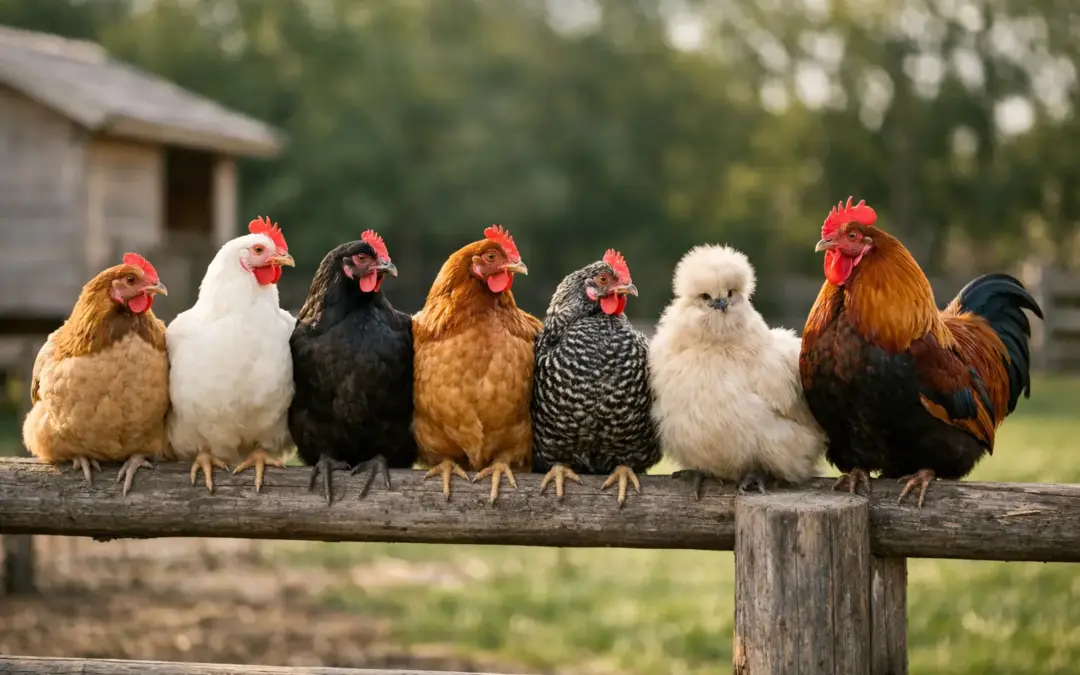
A first flock should make you want more chickens, not make you regret buying a coop. The best chickens for beginners are steady layers, sensible around people and hardy enough to cope with a British back garden without requiring constant fuss. That usually means choosing proven utility breeds over birds selected purely for dramatic looks or a rare pedigree.
There is no single perfect starter hen. A family after reliable breakfast eggs has different priorities from a smallholder who wants a broody hen to hatch chicks. Space, noise, fencing and whether children will be helping all matter. But these seven breeds give new keepers a sound place to start.
What makes a chicken beginner-friendly?
A good first chicken is generally calm, healthy, productive and easy to source from a breeder who knows their stock. It should cope with change reasonably well, be comfortable in a mixed flock and not need a highly specialised diet or elaborate housing.
Temperament deserves more weight than many first-time keepers give it. A flighty bird is harder to catch for a health check, more likely to clear a low fence and less enjoyable for younger family members. Equally, a very broody breed can be frustrating if your only aim is a regular egg basket. Broodiness is natural behaviour, not bad behaviour, but it changes what the hen contributes to the flock.
Avoid treating breed descriptions as guarantees. Every line and every individual bird is different. Sound stock, proper rearing and honest advice from the seller matter just as much as the breed name on the advert.
Best chickens for beginners in British gardens
1. Hybrid laying hens
For many new keepers, a well-bred hybrid is the most practical answer. Names vary by breeder and hatchery, but these hens have been developed for reliable laying, a generally manageable nature and good feed-to-egg value. Expect a useful number of eggs through their first couple of seasons, often with less seasonal interruption than some traditional breeds.
Hybrids are not a heritage breed, and they are not usually the choice if you plan to breed to a standard. Their value is straightforward: they get the basics right for a household flock. Ask the seller about age, vaccination history where applicable, parent stock and the expected egg colour. Do not assume every brown hybrid is the same.
2. Rhode Island Reds
Rhode Island Reds are a serious utility bird with a deserved reputation for laying well. They are hardy, handsome and usually productive even when the weather turns wet and cold. A good hen produces brown eggs and brings useful substance to the flock without being overly delicate.
The trade-off is that some lines are more assertive than others. They are not normally difficult birds, but they can sit high in the pecking order and cockerels can be particularly confident. Buy from a breeder selecting for temperament as well as type, and introduce them carefully if you have smaller, gentler hens.
3. Light Sussex
The Light Sussex has long been valued on British smallholdings for good reason. It is a classic dual-purpose breed: a decent layer, a substantial bird and generally calm enough to become a proper garden character. Their white plumage with black neck markings also makes them easy to recognise at a glance when you are counting birds into the coop at dusk.
They are enthusiastic foragers, so they benefit from safe time on grass or a run with room to scratch. That does not mean they can live on scraps. A complete layers’ feed remains the foundation, with greens and household treats kept in proportion. If you want a traditional-looking flock that earns its keep, Sussex are a strong contender.
4. Plymouth Rocks
Plymouth Rocks, particularly barred varieties, are often excellent family birds. They are broad, robust hens with a relaxed manner and a good appetite for foraging. Their egg production is respectable rather than extreme, but they tend to be reliable, long-lived flock members when housed well.
Their size is worth considering. They need adequately spaced perches, nest boxes that do not feel cramped and a run that will not turn immediately to mud. In return, you get a bird that is usually straightforward to handle and less prone to the nervous theatrics that can put off a first-time keeper.
5. Australorps
Australorps have a loyal following among people who value quiet, productive hens. Their black plumage often carries a green sheen in sunlight, but their appeal is more than appearance. They are known for a calm disposition, good laying ability and a steady approach to flock life.
They can be a particularly good fit for a garden where neighbours are close by, as hens are not generally among the noisier breeds. No chicken is silent, especially after laying an egg, so check local rules and be realistic about your setting. Keep cockerels out of a typical residential starter plan unless you have the space, permission and experience to manage them properly.
6. Orpingtons
If friendly, unhurried birds are top of the list, Orpingtons deserve a look. Buff Orpingtons are especially popular, with soft golden plumage and a gentle reputation that makes them appealing to families. They are large, attractive hens that often tolerate handling well once settled.
The compromise is efficiency. Orpingtons eat more than lighter breeds, lay fewer eggs than dedicated hybrids and can become broody. Their feathering also needs attention in prolonged wet weather and muddy runs. Give them dry bedding, enough shelter and room around feeders, and they can be wonderfully rewarding first birds. They are ideal for keepers who want a flock as companions as much as egg producers.
7. Welsummers
Welsummers bring something slightly different to the beginner flock: rich, dark brown eggs and a useful, active temperament. They are hardy, capable foragers and generally cope well with free-ranging or larger runs. A well-marked Welsummer is also a satisfying breed for anyone beginning to appreciate proper breed type.
They are usually more alert than Orpingtons or Plymouth Rocks, so they suit a keeper happy to let birds be birds rather than expecting lap hens. Secure fencing matters, particularly if the run borders a tempting vegetable patch. For an active garden flock with distinctive eggs, they are a sound choice.
Start with the right number and the right birds
Chickens are social, so never buy one hen to live alone. Three hens is often the sensible minimum for a new keeper: enough for company if one is unwell or broody, but not so many that a modest run is quickly overwhelmed. Four to six can work well where space and housing allow.
Try to buy birds of a similar age and size, preferably already living together. Point-of-lay pullets are popular because they are close to laying age, but they are still young birds settling into a new home. They may pause before laying after a move. That is normal, and it is not a reason to change feed repeatedly or start adding supplements at random.
Check each bird before purchase. Bright eyes, clean nostrils, a clean vent, smooth breathing and confident movement are good signs. Look at the feet and legs for raised scales, swelling or signs of bumblefoot. Ask what they have been fed and keep them on the same ration initially. A knowledgeable breeder should be comfortable discussing the birds’ age, parentage, health and routine without vague answers.
Breed choice is only half the job
A calm breed cannot compensate for a damp coop, overcrowding or poor predator protection. Give your hens a dry, ventilated house, secure pop-hole and mesh, clean water, balanced layers’ pellets and a run large enough to reduce bullying and mud. Add a covered area if you can. British winter rain turns a small bare run into a health and hygiene problem quickly.
Plan for quarantine too. If you later add birds, keep them separate from the existing flock for a sensible observation period before introductions. This protects the birds you already have and lets you spot problems before they become everyone’s problem.
The best first flock is rarely the flashiest one. Choose healthy birds from people who know how they were bred and raised, give them enough room to settle, and learn their normal behaviour early. Once you know what your hens look and sound like on a good day, you will be far better placed to notice when one needs your attention.