
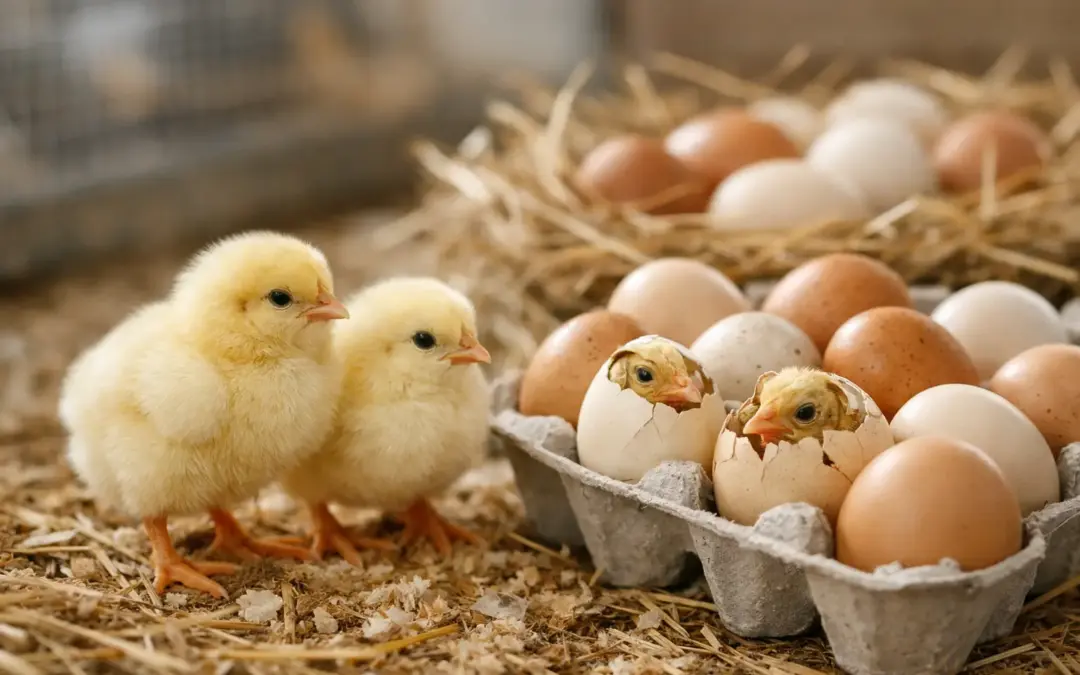
A full incubator and a pretty breeding pen do not automatically make a profit. Profitable chicks and hatching eggs come from matching carefully bred stock to genuine demand, then pricing with every cost and risk in view. The sellers who do well are not simply producing more birds. They are producing stock that informed keepers actively want to buy.
For small-scale breeders, the strongest route is usually quality over volume. A recognised breed, healthy parent stock, accurate records and honest communication will carry far more weight than a bargain listing with vague details. No noise, just quality stock.
Start with demand, not an incubator
Before setting eggs or retaining breeding trios, ask a practical question: who is likely to buy this stock locally or through posted hatching eggs? Some breeds have dependable appeal because they are productive, docile or suitable for smaller gardens. Others command higher prices because they are scarce, true to type or difficult to source from established lines.
Rare does not always mean profitable. A breed can be unusual yet have a very small pool of buyers. Equally, a fashionable breed may sell quickly but attract sellers in numbers, pulling prices down. Watch what serious keepers ask for, what moves consistently, and whether buyers are seeking breeding-quality birds rather than pets alone.
Your own set-up matters too. If you have the room to grow birds on properly, sex them with confidence and show their development, selling started chicks or growers may suit you better than selling eggs. If space is limited and your fertility is proven, hatching eggs can be a sensible way to sell breeding potential without carrying youngsters for weeks.
What makes hatching eggs worth buying
Buyers pay for confidence. They want to know the breed, the age and condition of the breeding group, the ratio of males to females, and whether fertility has been checked recently. Clear photographs of the actual parent birds do more for a listing than generic breed images ever will.
Freshness and handling are central. Collect eggs regularly, store them correctly for a short period, turn them where appropriate, and dispatch promptly when posting. Even with excellent practice, posted hatching eggs involve variables outside a breeder’s control: postal handling, temperature swings, the buyer’s incubator and their incubation routine. Never imply a guaranteed hatch rate.
That honesty is not a weakness. State how eggs have been stored, when they were laid or dispatched, and what fertility results you have seen from your own test hatches. A buyer who understands the limits of shipped eggs is more likely to value a professional seller and return for another batch.
Pricing profitable chicks and hatching eggs properly
The quickest way to lose money is to price from what feels reasonable rather than what production costs. Every bird sold has already used feed, bedding, electricity, housing, cleaning time and breeding stock upkeep. With eggs, include trays, packing materials, breakages, payment fees and the time needed to prepare a parcel safely.
For chicks, the costs build quickly after hatch. Heat, chick crumb, bedding, vaccinations where relevant, mortality risk and the space required to rear them all belong in the price. Sexed birds, birds from documented lines and chicks sold at a sturdier age can justify more because they remove uncertainty for the buyer.
A sensible price should account for:
- the true cost of keeping the breeding flock year-round;
- feed, bedding, energy and consumables for each batch;
- packing or rearing costs, including losses that cannot be sold;
- the rarity, quality and local availability of the breed; and
- the time spent answering buyers, arranging collection and maintaining records.
Do not race to the bottom to secure a sale. Cheap stock often attracts buyers focused only on price, while underpricing makes it harder for careful breeders to maintain good welfare standards. It is better to explain what sits behind the figure: sound parent birds, proper care, accurate breed information and a straightforward handover.
Sell the right form of stock
Hatching eggs, day-old chicks, growers and point-of-lay birds are not interchangeable products. Each suits a different buyer and creates a different workload for the breeder.
Hatching eggs can be efficient to produce and post, but buyers accept the uncertainty of incubation. Chicks offer immediacy and can achieve stronger prices, particularly when breed and sex are clear, yet they need reliable heat, hygiene and careful collection arrangements. Growers can appeal to keepers who want to avoid the fragile early stage, although they take more feed, housing and time.
There is no single best option. A breeder with a sought-after bantam line and proven fertility may do very well with eggs. Someone producing calm, attractive utility birds may find that locally collected growers are their most dependable earner.
Trust is the margin most sellers miss
A good listing answers the questions before they are asked. Give the breed name, hatch date or egg collection window, parent details, location for collection where relevant, and any practical notes on temperament, laying type or expected adult size. Be accurate about faults, mixed genetics or unsexed chicks. Serious buyers would rather hear the truth early than discover it later.
Keep records of pairings, hatch rates, fertility checks and buyer feedback. They help you make better breeding decisions, but they also show that you take your stock seriously. On a specialist marketplace such as Hatch & Hive, that clarity helps the right buyers find you without wading through general-classified guesswork.
Profit follows reputation. Build it batch by batch: breed with purpose, rear well, describe stock honestly and leave enough margin to keep doing the job properly.