
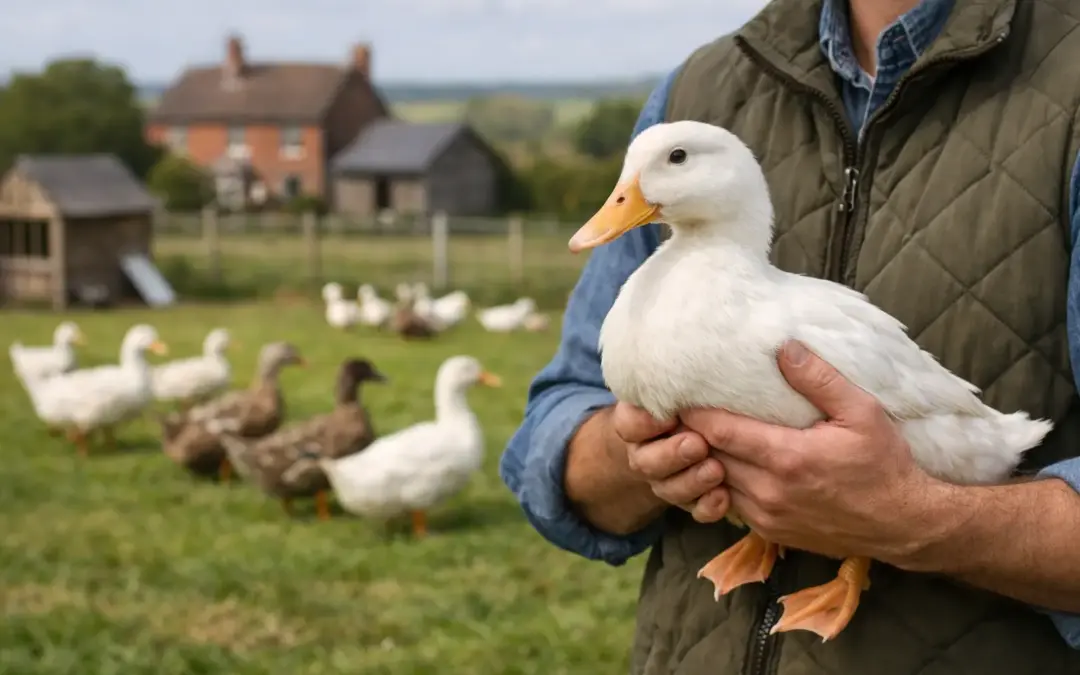
A smart duck purchase starts well before you arrange collection. The difference between a promising bird and a costly disappointment often comes down to the breeder’s standards, their flock records and the questions they are willing to answer. When people search for trusted duck breeders UK keepers recommend, they are not simply looking for a nearby advert. They are looking for sound stock, honest information and a seller who cares where their birds go.
That matters whether you want a pair of Indian Runners for the garden, utility ducks for the smallholding, fertile eggs from a heritage breed or exhibition-quality birds for a carefully planned breeding pen. Good breeders are out there. The key is knowing how to recognise them.
What trusted duck breeders in the UK do differently
A trustworthy breeder can tell you what they breed, why they breed it and how their birds are kept. They do not need a glossy sales pitch. Clear photographs, straight answers and a flock that appears well managed will tell you far more.
Look for sellers who are specific about breed, age, sex and the source of their breeding stock. A breeder advertising young ducks should be able to say when they hatched, whether they are fully feathered, whether they have been sexed reliably and what feed they are on. If you are buying hatching eggs, ask about fertility checks, collection dates and how the eggs are stored before dispatch or collection.
The best breeders are also realistic. No one can guarantee every posted egg will hatch, and no breeder can promise that every bird will settle instantly into a new home. What they can offer is truthful information, careful handling and stock raised with proper attention to welfare. Be wary of grand claims, unusually low prices for scarce breeds or adverts that avoid basic details.
Start with the breed, not the listing
It is easy to be drawn to the first handsome drake or a photograph of a rare colour. First decide what your ducks need to do on your holding. A light, active breed may be a brilliant layer but less suitable if you want birds that stay close to a small garden. A heavier table breed needs more space and can make more mess around water. Some breeds are naturally more vocal than others, which matters if neighbours are close.
Be equally clear about whether you are buying pets, laying ducks, breeding birds or stock for showing. Those are not always the same thing. A bird can be healthy and useful without matching a show standard, while a breeder focused on exhibition lines may select for different qualities from someone breeding hardy utility ducks.
If you plan to breed, ask how closely related the available birds are. A good seller will be open about parentage and advise on sensible pairings. Avoid building a breeding group from birds with unknown origins simply because they are cheap or local. Saving money at the start can mean weak fertility, poor type or difficult decisions later.
Questions worth asking before you buy
A serious seller expects sensible questions. You are not being awkward by asking them. You are showing that you intend to keep the birds properly.
Ask what the ducks eat, whether they have access to clean water deep enough to wash their heads, how often accommodation is cleaned and whether the flock has had any recent health concerns. Ask whether new birds have been brought onto the holding recently and how the breeder manages separation between groups. These answers reveal a great deal about everyday flock management.
For live birds, confirm their exact age and sex. In some breeds, sexing very young ducklings is not straightforward, so a breeder should not present a guess as certainty. If you need females for eggs, it may be better to wait for older birds that can be identified with confidence. If buying a breeding trio, establish which bird is the drake and whether the females have been running with him.
For hatching eggs, ask when they were laid, how many are being sold, whether they are from a defined breeding pen and whether the eggs will be packed or collected. Fresh, clean eggs from a well-managed pen are a better starting point than eggs of unclear age from a mixed flock. Posted eggs always carry extra risk, particularly in poor weather or during rough handling, so collect where practical.
Read the birds and the set-up
Photographs are useful, but a visit is better when possible. You do not need a showground-perfect holding. Real breeders have mud, feathers and the usual practical clutter. What you want to see is purposeful management.
Healthy ducks should look alert and balanced on their feet, with clean eyes and nostrils, tidy feathering for the season and no obvious discharge around the face. They should move freely, breathe quietly and show normal interest in their surroundings. A duck that is sitting apart, struggling to stand, repeatedly gasping or has heavily soiled feathers around the vent deserves further questions.
Look at the water and housing as well as the birds. Ducks make water dirty quickly, so spotless ponds are not the test. Fresh drinking water, a means of bathing and dry, secure shelter are. Bedding should not be wet and ammonia-heavy. Overcrowding, permanent filth and birds with nowhere to get out of bad weather are clear warning signs.
A good breeder will not object to you taking time to look. They may be busy, especially in the breeding season, but they should not pressure you to hand over money before you have understood what is being offered.
Red flags that should stop a purchase
Some concerns are obvious. Others are dressed up as urgency: “last chance”, “must go today” or “rare” with no evidence of breeding quality. Walk away if the seller refuses reasonable questions, will not provide current photos, changes the bird’s age or sex between messages, or wants to meet away from the place where the ducks are kept without a clear reason.
Be cautious with birds described as “pure breed” where the seller cannot identify the breed standard, parent stock or breeding pen. Cross-bred ducks can make excellent keepers, but they should be sold honestly as cross-breds. The same applies to colour. An unusual-looking bird is not automatically a rare, established variety.
Do not ignore your own practical limits either. A reputable breeder may have excellent birds, but they are not the right seller if you cannot provide enough room, secure night housing, suitable companions or a plan for drakes. Drakes can be hard on females in a small group, and surplus males are a familiar problem in duck keeping. Have a proper stocking plan before you buy.
Buy with a plan for collection and settling in
Arrange collection in a clean, secure carrier with absorbent bedding and good ventilation. Ducks should travel calmly, out of direct draughts and without being left in a hot car. Ask the breeder what the birds are currently eating and take a small amount of their usual feed if offered. A sudden feed change, a journey and a new flock are enough stress without changing everything at once.
At home, keep new ducks separate from your existing birds for a sensible observation period. This protects both groups and gives newcomers time to settle. Watch droppings, appetite, movement and behaviour. Do not rush introductions just because the new birds look eager to join the flock.
Current poultry movement or housing measures can change, particularly during periods of heightened avian influenza risk. Check the requirements that apply to your area before collection, and make sure your accommodation allows you to meet them. A breeder who raises the subject is showing care, not making the sale difficult.
Use a specialist marketplace and keep the conversation clear
General classifieds can make finding ducks feel like a gamble. Listings disappear, details are thin and sellers may know little beyond what they want for the birds. A specialist marketplace gives buyers a better place to compare genuine breeders, ask informed questions and search by the stock they actually need.
Hatch & Hive is built for that sort of exchange: breeders and keepers dealing directly in a space made for poultry, hatching eggs and smallholding stock. It does not remove the need for judgement, but it helps put serious people in front of each other without the usual noise.
Keep messages clear and keep a record of what has been agreed, including breed, number, sex, age, price and collection date. If a deposit is requested, make sure you understand whether it is refundable and under what circumstances. Good communication protects both buyer and breeder, particularly when birds are being held for collection.
The right ducks should feel like the start of a long-term flock, not a rushed bargain. Take your time, ask the questions that matter and choose breeders whose standards match your own. Quality stock is worth travelling for, and a good breeder is often someone you will be glad to speak to again when the next breeding season comes around.