
If you are searching for a nucleus colony for sale that UK beekeepers would actually want to buy, the headline price tells you very little. A nuc can look tidy in a listing and still be a poor start if the queen is failing, the brood pattern is patchy, or the colony has simply been thrown together to move on quickly. For buyers who take stock quality seriously, the right questions matter far more than a bargain.
What a nucleus colony should actually be
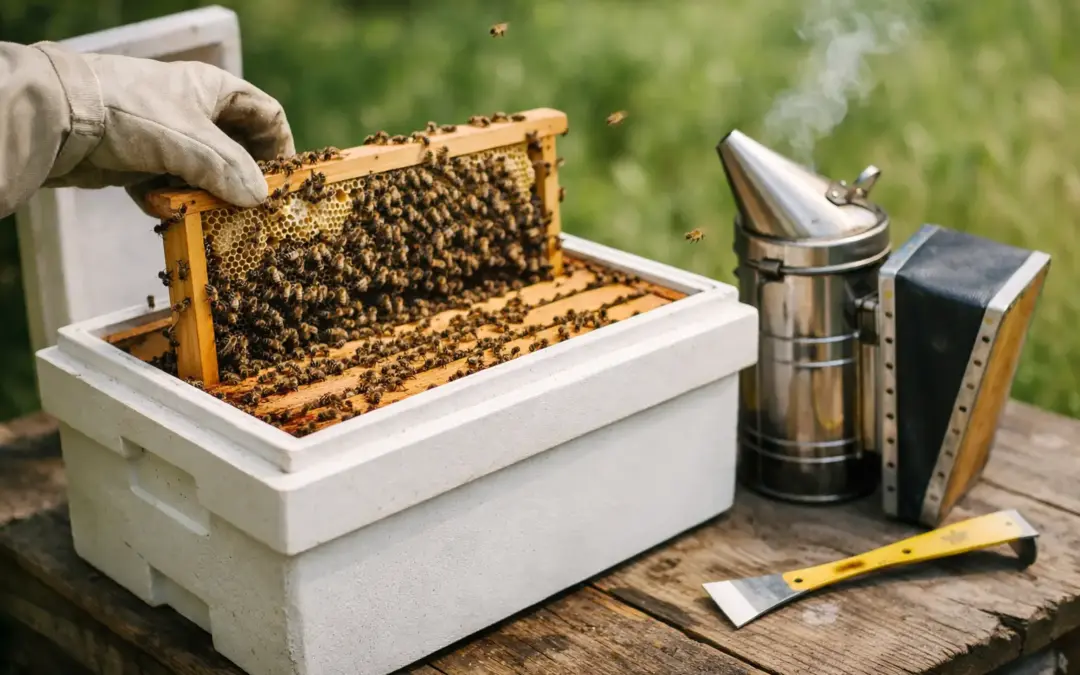
A nucleus colony is not just a few bees in a box. Properly sold, it is a small but functioning colony with a laying queen, brood at different stages, food stores, and enough workers to build on once transferred into a full hive. That sounds obvious, but standards vary.
Some sellers offer strong, balanced nucs that are ready to develop with decent management. Others are effectively selling a queen with support staff and calling it established. The difference shows up later, when one colony settles and expands while another stalls or needs rescuing.
For most buyers, a sound nuc is the quickest route into beekeeping or the cleanest way to increase apiary numbers. It saves time compared with starting from a package or a swarm of uncertain origin, and it gives you a colony with a visible laying history. That said, a nuc is never a guarantee. Weather, forage, handling, transport stress and your own management all affect how it performs after collection.
Nucleus colony for sale in the UK – the checks that matter
The first thing to ask is how many frames are actually occupied. Sellers often describe a five or six frame nuc, but that can mean the box size rather than the strength of the colony. You want to know how many frames are properly drawn and worked by bees, and how many contain brood.
Queen quality comes next. Ask the age of the queen, whether she is marked, and whether she is this season’s queen or older. A young, proven queen is usually the safer buy, especially for newer keepers. Older queens are not automatically a problem, but they do change the value of the colony and the odds of needing requeening sooner.
Brood pattern tells you more than sales patter ever will. A compact, even brood pattern usually suggests a queen doing her job well. A scattered pattern, heavy drone brood in worker cells, or very little sealed brood should prompt more questions. There may be a reason, but you do not want surprises after the bees are in your apiary.
Temperament matters as well. Every colony can be defensive in the wrong conditions, but a nuc sold as manageable should not be consistently unpleasant on inspection. Buyers with neighbours close by, or smallholdings where stock and visitors move around regularly, need to take that seriously.
Then there is disease history. A reputable seller should be comfortable talking about inspection routines, foulbrood awareness, varroa management and whether the bees come from an apiary with any recent health concerns. If the answers are vague, defensive or rushed, treat that as useful information.
Timing changes what you are buying
The time of year shapes both value and risk. A spring nuc can be expensive, but it gives the colony a full season to establish, build stores and possibly produce surplus if conditions are kind. It is often the best option for buyers who want momentum.
A later summer nuc may cost less, but it comes with tighter margins. The colony has less time to build up before autumn, and management needs to be sharper. Feeding, varroa treatment timing and queen performance become more critical. For an experienced keeper, that may be perfectly workable. For a beginner, spring is usually the easier place to start.
Weather in different parts of the UK also matters more than many listings admit. A nuc that looks ready to fly in a sheltered southern apiary may progress differently in an exposed site in Wales, Scotland or Northern Ireland. Good sellers understand this and will tell you plainly if a colony needs steady support rather than fast expectations.
Questions worth asking before you commit
When you see nucleus colony-for-sale listings in the UK, they can blur together quickly, so direct questions help separate genuine stock from dressed-up mediocrity. Ask what strain or type of bee the colony is based on, how the queen was mated if known, and whether the bees have shown strong swarming tendencies.
Ask what the nuc is housed in and whether that box is included in the price. Some are sold in correx travel boxes, some in poly nucs, some in wooden equipment with a deposit arrangement. None of that is a problem if it is clear up front. It becomes a problem when buyers arrive expecting one thing and get another.
It is also worth asking when the colony was last inspected and what was seen. You are not looking for a scripted sales line. You are looking for evidence that the seller actually knows the colony, rather than shifting bees as units.
Price is only part of the picture
Cheap bees can be expensive. If a low-priced nuc needs immediate requeening, feeding, disease treatment or heavy intervention to stop it collapsing, the saving disappears quickly. On the other hand, the highest-priced nuc is not automatically the best either. Good value comes from health, honesty, and a colony that matches your setup and experience.
Transport and distance also affect value. A slightly dearer nuc from a seller within sensible reach may be the better buy if collection is straightforward and stress on the bees is lower. Long journeys in hot weather, repeated loading, or uncertain handover arrangements can set a colony back before it even arrives.
This is one reason specialist marketplaces make more sense than broad classified platforms. Buyers want to compare stock in a place built for breeders and keepers, where the listing details actually reflect the questions serious people ask. No noise, just quality stock and direct contact with sellers who understand what they are offering.
Signs of a better seller
Good sellers tend to be clear rather than flashy. They describe the queen honestly, state the approximate frame strength, explain collection terms, and do not dodge health questions. They also understand that informed buyers will want details.
Photos can help, but they should support the listing rather than carry it. A picture of bees at the entrance says almost nothing. A clear image of frames, brood and stores is far more useful, although even that is no substitute for a proper conversation.
It is also a positive sign when a seller is realistic about suitability. If you are new to bees and they steer you towards a calmer colony rather than the strongest one on paper, that usually tells you they care about the outcome after the sale.
Buying a nuc if you are new to bees
If this is your first colony, do not buy on enthusiasm alone. Make sure your hive setup matches the frame format being sold, your apiary site is ready, and you have a plan for collection day. Bees do not benefit from buyers trying to sort equipment after they get home.
It also helps to know what support you have locally. Even a strong nuc can throw up questions in its first few weeks once transferred. New beekeepers often focus on getting bees and forget that managing bees is the real work. There is nothing wrong with being new, but it pays to be realistic about the learning curve.
The best buy is the one you can trust
A good nuc gives you a proper start – not a miracle, but a fair one. It should come from a seller who knows the colony, presents it honestly and understands that buyers are not just purchasing bees, they are taking responsibility for livestock that needs to thrive.
That is why serious keepers increasingly use specialist marketplaces such as Hatch & Hive. When the category is built around people who breed, keep and ask the right questions, it is easier to find stock worth travelling for.
If you are weighing up a nucleus colony, slow down long enough to judge the seller as carefully as the bees. A well-bought nuc does not just get you through collection day – it gives you a colony you can build on with confidence.