
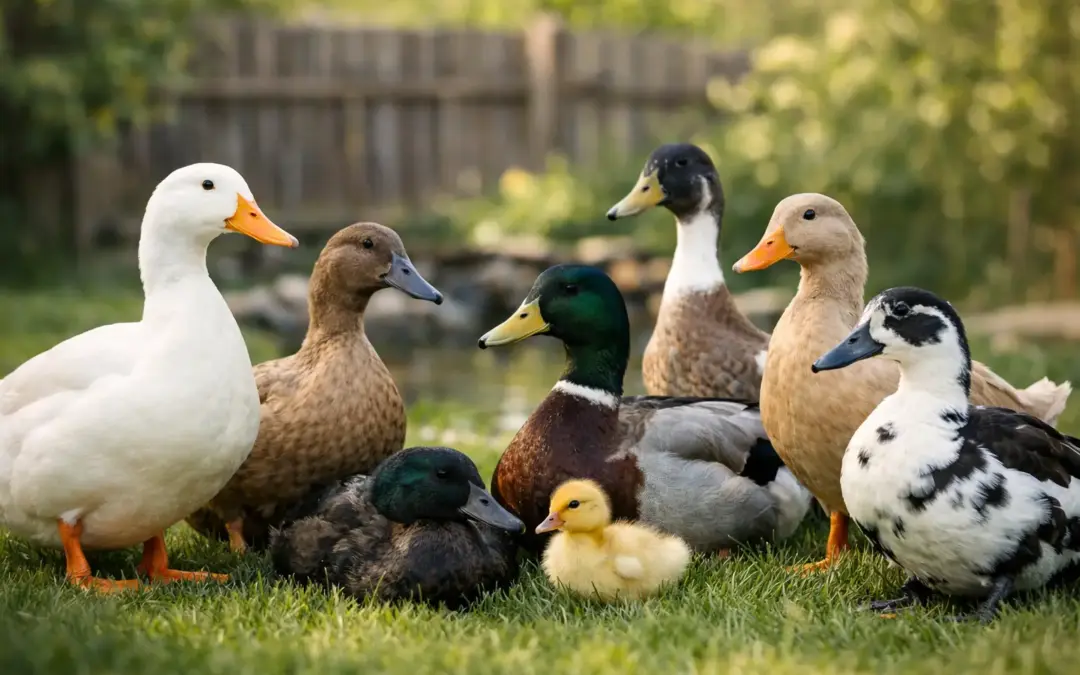
A lot of people start with ducks because they want eggs, pest control and a bit of character in the garden. Then the reality lands – some breeds are noisy, some are flighty, some turn a tidy lawn into a bog, and some are simply better suited to proper free range than a modest back garden. If you are weighing up the best duck breeds for backyards, breed choice matters far more than most first-time keepers expect.
The right duck for a backyard setup is usually calm, hardy, reasonably clean on the ground for a duck, and productive enough to justify the feed bill. It also needs to suit your actual setup, not the one you plan to build later. A small suburban plot, a village garden and a smallholding paddock all count as backyards in different ways, but they do not suit the same birds.
What makes the best duck breeds for backyards?
For most keepers, the sweet spot is temperament, noise level, egg laying and ease of management. If neighbours are close, drakes are often easier than ducks from a noise point of view, but of course they do not lay. If eggs are the priority, you need good layers that do not become a headache in wet weather or tight spaces.
Hardiness matters as well, especially in the UK where a wet winter can expose poor housing and weak constitutions very quickly. Heavy breeds can be steady and easy to fence, but they make more mess around drinkers and muddy gateways. Lighter breeds may forage better, though some are more active and less forgiving if your fencing is basic.
1. Khaki Campbell
If someone asks for the safest all-round choice, Khaki Campbells are usually near the top of the conversation. They are well known for laying strongly, often outproducing many pure breeds, and they are active foragers if given room. For keepers who want eggs first and ornament second, they make good sense.
The trade-off is temperament. They are not usually difficult, but they can be sharper and more energetic than the heavier utility breeds. In a tiny ornamental garden, that can feel busy. In a practical backyard with decent fencing and enough space to move, they are one of the best working ducks you can keep.
2. Welsh Harlequin
Welsh Harlequins are a very strong choice for keepers who want eggs without the frantic edge some Campbells can have. They are attractive birds, generally calmer in manner, and still good layers. For many backyard keepers, they hit the balance nicely between utility and manageability.
They also suit people who want a breed with a bit of presence rather than a purely commercial feel. If your setup is part productive, part pleasure, Welsh Harlequins are easy to like. They are often one of the most sensible answers to the question of the best duck breeds for backyards.
3. Indian Runner
Runners are brilliant birds if you understand what they are. They stand upright, move constantly and are excellent foragers, especially where slugs and snails are a problem. They also lay well, with some strains producing very respectably over a season.
What they are not is low-energy. They need room to move and are less suited to very confined gardens where their activity becomes a nuisance. If you have a decent run, secure boundaries and you like a lively flock, they are a serious option. If you want placid birds that potter quietly near the patio, look elsewhere.
4. Pekin
Pekins are often chosen because they look like ducks should look – broad, white and cheerful in a traditional sort of way. They are usually friendly, easy to handle and popular with families. For a backyard where temperament matters more than top-end laying numbers, that counts for a lot.
They are heavier birds, though, and that means more mud, more wear around wet areas and less elegance underfoot than the lighter breeds. They can also be prone to the usual issues that come with heavier body type if kept on poor ground. Good management keeps them thriving, but they are not the neatest option.
5. Aylesbury
For UK keepers interested in traditional British breeds, the Aylesbury deserves mention. It is a heritage breed with real history behind it, and for those who value breed conservation alongside keeping, that matters. They are generally calm, substantial birds and can suit a more spacious backyard or smallholding setup very well.
They are not usually the first recommendation for someone chasing egg numbers from limited space. This is more a breed for people who appreciate type, character and heritage value. If that is your angle, they bring something to the yard that more commercial laying breeds do not.
6. Cayuga
Cayugas are handsome birds, with dark plumage that has an almost beetle-green sheen in the right light. They are often kept because they look superb, but they are not just decorative. They are fairly calm, reasonably hardy and can do well in a mixed backyard flock.
Egg production is not usually the headline compared with Campbells or Harlequins, so be honest about priorities. If you want a quieter, steadier duck with plenty of visual appeal, they are a very respectable choice. If your main target is maximum eggs per bird, there are stronger candidates.
7. Rouen
Rouens have the mallard look in a larger, heavier frame, and many keepers are drawn to them for exactly that reason. They are often calm and attractive, making them suitable for people who want ducks as part of the landscape rather than purely as livestock units.
The downside is that they are slow to mature compared with more utility-focused breeds and they are not standout layers. In a practical backyard, that may or may not matter. If appearance and temperament matter more than production, Rouens can be a good fit.
8. Buff Orpington duck
Buff Orpington ducks are often overlooked, which is a shame. They are a useful dual-purpose type with a pleasant temperament and a warm buff colouring that stands out without looking overly ornamental. They can fit well into family backyards and mixed poultry setups.
They do not dominate any single category in the way Campbells dominate laying or Runners dominate foraging, but they are balanced birds. For many experienced keepers, balanced is exactly what you want in a backyard flock.
9. Muscovy
Muscovies are not quite the same proposition as the typical domestic duck breeds, and that is precisely why some backyard keepers rate them so highly. They are often quieter than standard ducks, excellent foragers and full of personality. In the right home, they are superb.
But it depends on your setup. They can fly far better than many people expect, they perch, and they need managing with that in mind. Some people also love the look; some do not. If noise is your biggest concern and you have the space and housing to suit them, they are well worth considering.
10. Silver Appleyard
Silver Appleyards are large, attractive and useful birds with a strong reputation as a dual-purpose breed. They are good foragers, decent layers and have enough size to feel substantial without losing all practicality. For a backyard that leans towards smallholding rather than suburban garden, they can be an excellent choice.
Their size means they are not the lightest on wet ground, so drainage and rotation matter. Still, if you want a proper utility duck with style, they are one of the better breeds to keep.
Choosing the right breed for your ground and goals
The best duck breeds for backyards are not always the prettiest or the most productive on paper. They are the ones that suit your fencing, your neighbours, your tolerance for mud and how much daily management you are actually willing to do.
If eggs are the main aim, Khaki Campbell and Welsh Harlequin are hard to beat. If slug patrol matters and you have room, Indian Runners earn their keep. If you want calmer birds with family appeal, Pekins or Buff Orpingtons are often easier to live with. If heritage and breed character matter, Aylesburys and Silver Appleyards deserve proper consideration.
It is also worth thinking about sourcing. A good breeder will tell you far more than a breed description ever can – how their line lays, how the birds carry themselves, whether they are flighty, broody or particularly good on range. That direct conversation is often where the best decisions are made, which is exactly why serious keepers prefer specialist spaces over general classifieds full of guesswork.
Start with the bird that suits your ground, not the bird you saw in a photo and liked the look of. Get that right, and ducks become one of the most rewarding things you can keep in a backyard.