
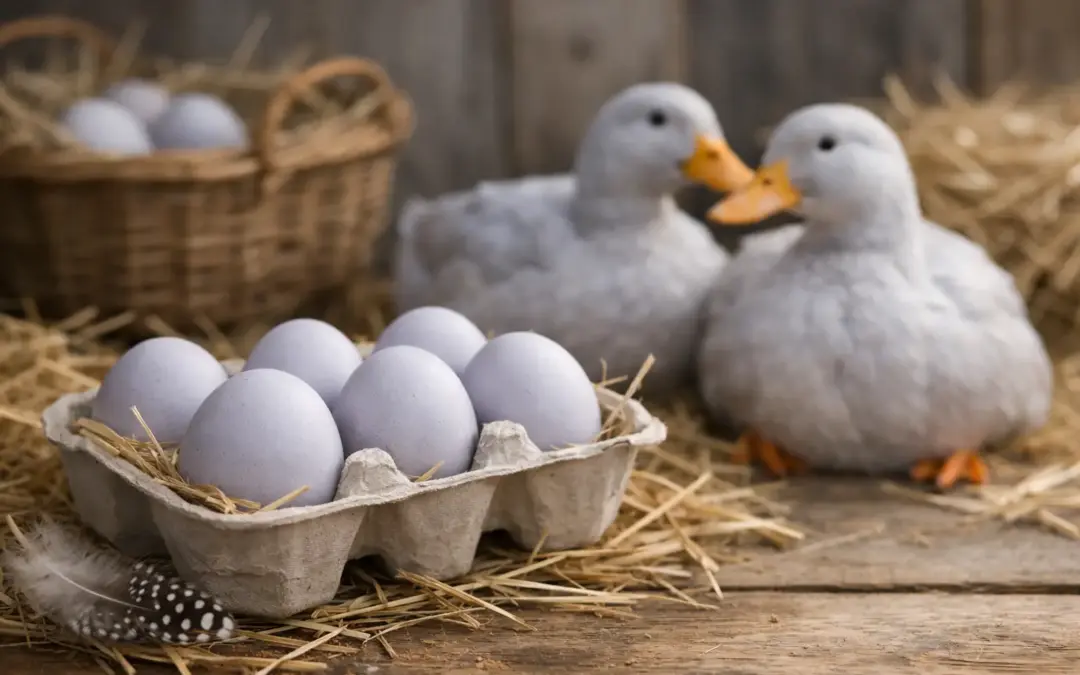
Not all lavender pekin hatching eggs are worth setting. With Pekins especially, shell quality, parent stock, fertility and handling matter far more than a pretty photo or a rare colour label. If you want a decent hatch and birds that look right as they mature, the real job starts before the eggs ever go in the incubator.
Lavender Pekins have obvious appeal. They are compact, heavily feathered, calm around the garden and genuinely popular with backyard keepers who want bantams with presence. That popularity creates a mixed market. Some eggs come from carefully managed breeding pens with sound type and reliable fertility. Others are simply sold on colour alone. For buyers, that is the difference between hatching promising youngsters and wasting a full incubation cycle.
What makes lavender pekin hatching eggs worth buying?
A good batch starts with the breeding birds behind it. In Pekins, type matters. You are looking for proper cushion, rounded shape, heavy leg feathering and the soft, even lavender colouring that makes the variety so sought after. If a breeder is serious, they will usually talk about their birds in terms of line, type, vigour and breeding goals, not just how many eggs they can post this week.
Fertility is the next piece. Bantams can be excellent breeders, but feathering around the vent, overfat birds or poor pen management can all reduce fertility. A trustworthy seller should be open about current fertility rates, how recently they have tested eggs, and whether the eggs are from a dedicated breeding group rather than a mixed back garden run.
Then there is egg quality itself. Clean, well-shaped eggs with decent shell texture stand a better chance than oversized, misshapen or thin-shelled ones. Very large eggs can be tempting, but they are not always ideal for hatchability. In practice, medium, well-formed eggs from healthy stock usually give the best results.
Choosing a breeder, not just a listing
This is where experienced keepers separate a sensible buy from a gamble. Good breeders welcome questions because they know what they are producing. If someone cannot tell you the age of the breeding birds, whether the line is pure, or how the eggs are stored before dispatch, that tells you something.
Ask direct, useful questions. How old is the breeding trio or pen? Are the birds unrelated or line-bred with a clear plan? Have they been laying strongly? Are eggs collected daily? How long are they held before sending? None of that is fussy. It is basic due diligence.
Photos of the parent stock help, but they are not the whole story. A polished cockerel in one flattering picture means very little on its own. Better signs are consistency across multiple birds, clear evidence of sound feathering and type, and a breeder who knows where their birds sit in relation to the standard. Serious sellers usually speak plainly about faults too. Every line has them.
If you are buying through a specialist marketplace, the advantage is straightforward. You are more likely to find sellers who actually breed poultry to a standard rather than people shifting the odd spare box of eggs with no real record behind them. That matters more with a variety like lavender Pekin, where demand can outpace quality very quickly.
Posted eggs versus collected eggs
Collected eggs are usually the safer option if you can manage it. They avoid the jolting, temperature swings and delays that can damage the air cell and reduce hatch rates. Even eggs from a proven breeder can perform poorly after rough handling in transit. That is not always the seller’s fault. It is simply one of the trade-offs with posted hatching eggs.
That said, posting is often the only realistic route when you are trying to source a specific bantam variety or bring in a fresh line from further afield. In that case, packaging matters. Eggs should be individually protected, packed firmly, labelled clearly and sent promptly. A breeder who posts regularly will usually have a method that reflects experience rather than guesswork.
Once they arrive, give posted eggs time to settle, pointed end down, before setting them. Opinions vary on exact timing, but many keepers allow at least 12 to 24 hours. It will not rescue badly handled eggs, but it does give the contents a chance to stabilise.
Setting lavender pekin hatching eggs well
Pekins are bantams, so do not assume that a generic incubator routine is always the best one. Incubators vary, room conditions vary, and posted eggs behave differently from collected ones. It depends on your machine and your experience with it.
Start with the basics. Make sure your thermometer and hygrometer are trustworthy, your incubator is clean and stable, and the eggs are set with care rather than rushed in because the parcel has just arrived. Small mistakes early on tend to show up later as poor development, late deaths in shell or weak chicks.
Candling is useful, especially if you are trying to judge a new breeder or compare posted and collected batches. Remove clears and obvious quitters promptly, but do not over-handle the eggs. The goal is to monitor progress, not to interfere every other evening.
With lavender Pekins, hatchability can be very good from the right source, but bantam eggs can also lose moisture differently depending on shell quality and ambient conditions. That is why experienced keepers watch the eggs and air cells rather than following a one-size-fits-all chart blindly. Good incubation is part routine, part observation.
Common problems with lavender Pekin eggs
One common issue is buying for colour and ignoring breeding quality. Lavender is attractive, but poor type does not improve just because the shade is right. If your aim is future breeding stock, buying from weak birds can set you back a generation or two.
Another problem is unrealistic expectations from posted eggs. Even well-packed eggs can produce lower hatch rates than collected ones. If you buy a batch sent across the country and hatch only a handful, that can still be within the bounds of normal. Frustrating, yes. Unusual, no.
There is also the question of season. Early or late in the breeding year, fertility may dip. Weather, bird condition and pen ratios all play a part. Sensible breeders will usually say if fertility is proving variable rather than pretending every box is certain to hatch well.
Finally, some buyers overlook biosecurity and flock health. It is easy to focus on the excitement of hatching a desired colour, but the parent flock still needs to be managed properly. Clean housing, sensible worming protocols, nutrition and general husbandry all affect the quality of what ends up in the incubator.
How many eggs should you buy?
That depends on your aim. If you want a few garden birds and are happy with whatever sex hatches out, a modest batch may do. If you are trying to keep the best pullets and perhaps one cockerel for future breeding, buy with attrition in mind. Not every egg will be fertile, not every fertile egg will hatch, and not every chick will mature into a bird worth keeping.
This is especially true with Pekins, where selection matters. You may hatch ten chicks and only rate two or three highly once they feather up and develop. Buying too few eggs often leaves people disappointed, not because the breeder has done anything wrong, but because breeding decisions always involve percentages.
When lavender Pekins are the right choice
Lavender Pekins suit plenty of keepers, but they are not for everyone. Their feathered feet need cleaner ground than some hardier bantams, and heavy feathering can look scruffy in wet weather. If your setup is muddy for half the year, you will need to manage that or accept that the birds will not always look their best.
Temperament is one of their strengths. Well-bred Pekins are often friendly, manageable and suited to smaller setups. They appeal to families, exhibitors and breeders alike, which is part of why demand stays strong. For many keepers, they hit the sweet spot between ornamental value and practical enjoyment.
If your priority is utility laying alone, there are better choices. If your priority is attractive bantams with real character and proper breed presence, lavender Pekins make sense.
Finding stock with confidence
Specialist poultry buyers do not need more noise. They need honest breeding information, clear communication and sellers who understand what serious keepers are actually asking. That is exactly why dedicated spaces such as Hatch & Hive matter. You are not sorting through general listings from people who may know very little about what they are selling. You are starting in a place built for breeders, keepers and smallholders who take stock quality seriously.
The best lavender pekin hatching eggs come from breeders who care about more than filling a box. They know their birds, they know their lines, and they are realistic about hatch rates, faults and expectations. Buy on that basis and you give yourself a far better chance of hatching birds worth keeping. A good hatch starts with good questions, and the right breeder will never mind you asking them.